Vasai-Virar civic tensions rise as infra projects reshape region
Statue disputes, bridge work, school grants and land cases show how Mumbai's northern belt is changing under pressure from new civic projects.
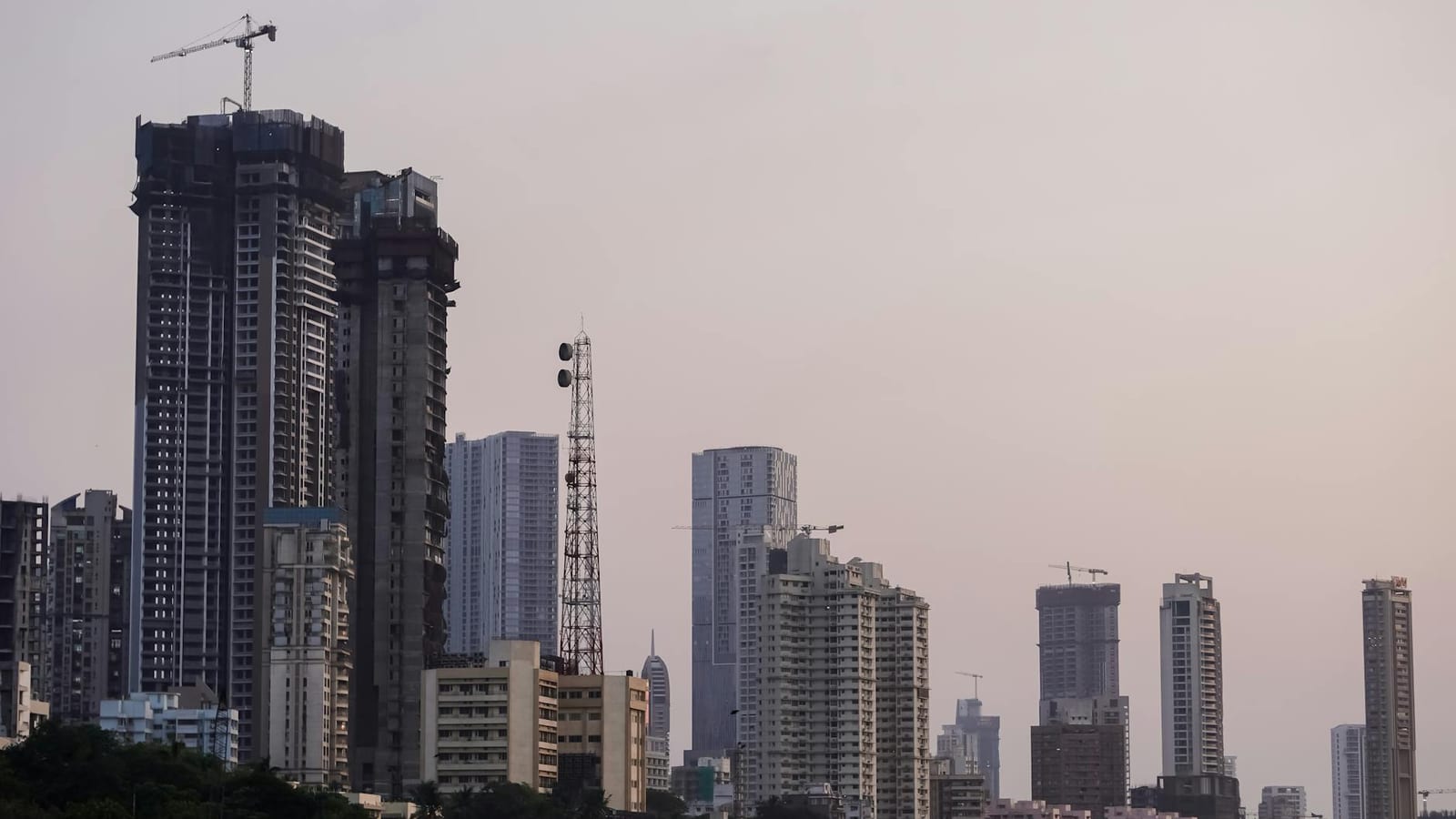
A city does not change only when towers rise. It changes when a statue moves, a bridge opens, a school grant lands, and a land file reaches court.
That is the story now unfolding across Vasai, Virar, Mira Road, and Bhayandar. On paper, these are local civic updates. In real life, they show how fast Mumbai’s northern belt is being remade.
The sharpest flashpoint is emotional. A decision to remove a 30-year-old statue of Chhatrapati Shivaji Maharaj, reportedly linked to a mall project, has triggered anger locally. In another related local dispute, moves around a statue amid metro and flyover work have also stirred tension between political groups.
For residents, this is not just about stone and metal. Public statues carry memory, identity, and local pride. When authorities touch them without wide trust, the matter quickly leaves the file and enters the street.
Transport Minister Pratap Sarnaik has been visible in the region’s civic and social issues. He also visited the home of Sapnakumari Shambhu Sah, a non-Marathi student who topped in a Marathi-medium municipal school after scoring 90 percent in Class 10.
That visit carried a political message too. Sarnaik said Marathi is not difficult to learn, in the backdrop of a recent dispute involving rickshaw drivers. In a region with large migrant populations, language often becomes shorthand for belonging.
There is a useful lesson here for businesses as well. Any company building a mall, road, or housing project in this belt cannot treat local sentiment as a small approval item. It is part of the cost of doing business.
The other big story is land. A dispute over government land in Mira Road west has reached a serious stage. One figure puts the land parcel at 294.66 acres. Another political claim refers to about 254.88 acres in Bhayandar village.
Maharashtra BJP chief Chandrashekhar Bawankule said the land belongs to the government. He said the state will strongly present its side in the Supreme Court. Shiv Sena (UBT) MP Sanjay Raut alleged that the land had gone into private hands. Congress leader Vijay Wadettiwar also criticised the state government over the matter.
For ordinary readers, the legal detail may sound dry. But the meaning is simple. Land near Mumbai is not just land. It is future housing, future shops, future roads, future schools, and future profit.
If government land shifts into private control, the public loses more than acreage. It may lose space for hospitals, schools, markets, parks, and transport links. In suburbs already gasping for open land, that loss can last for generations.
This is why such disputes matter beyond party politics. Developers, investors, and civic bodies all want clarity. Buyers too need clarity before putting life savings into a flat. A court battle over land ownership can freeze plans, delay projects, and shake confidence.
Infrastructure is moving at the same time. The Narangi flyover in Virar has opened for traffic. That will bring relief to motorists, especially those stuck in daily bottlenecks. Anyone who travels through Virar knows how one railway crossing or narrow stretch can eat into the whole day.
But the flyover has not solved every problem. Local residents have demanded a pedestrian bridge or subway for safer movement. This is a familiar Indian urban story. Vehicles get a solution first. People walking across the same area wait longer.
That delay has a cost. Schoolchildren, senior citizens, street vendors, and commuters must still manage risky crossings. A bridge that saves time for cars can create fresh danger for people on foot if planning remains incomplete.
There is also the question of small trade. When roads and flyovers change movement patterns, some shops gain customers and others lose them. A tea stall owner near an old crossing may see footfall vanish. A garage near the new traffic line may suddenly do better. Urban planning quietly changes livelihoods.
The education story brings a different kind of number. The district council has set aside ₹2 crore for educational material for students. Some voices have argued that money should go directly into students’ bank accounts, because purchases of school material can attract irregularities.
That argument deserves attention. A school bag, notebook set, or uniform may look small. But when thousands of students are involved, procurement becomes a sizeable contract. If the process lacks transparency, money meant for children can leak before it reaches classrooms.
Direct transfers sound clean, but they also have limits. Families may need guidance on what to buy. Prices may vary. Some students may still end up without proper material. The best answer may lie in clear tenders, public disclosure, and tracking what children actually receive.
Still, the ₹2 crore allocation shows one important thing. The region’s growth story cannot only be about malls, land, and flyovers. It must also be about municipal schools, language access, and basic dignity for children.
Civic neglect shows up in smaller stories too. Residents in Sativali have demanded cleaning and a secure iron cover for a dangerous well near a main road. In Mira-Bhayandar, broken and missing garbage bins have pushed people to dump waste on roads, causing losses worth lakhs to the administration.
These are not glamorous issues. They do not move markets. But they shape daily life more than most ribbon-cutting events.
A broken bin means a street starts smelling before noon. A dangerous well means one careless step can become a tragedy. A missing footbridge means people cross traffic with fear every evening.
There is also a seasonal economy running quietly alongside this urban churn. During the fierce summer, wild vegetables have drawn demand in the region. These vegetables are valued for taste and nutrition, and they are creating income opportunities for tribal communities.
That small detail matters. It reminds us that the local economy is not only builders, contractors, and civic budgets. It also includes people selling seasonal produce, families depending on informal trade, and communities trying to earn from traditional knowledge.
Taken together, Vasai-Virar and Mira-Bhayandar look like a region at a turning point. Metro work, flyovers, land disputes, malls, schools, and waste management are all colliding in the same civic space.
The big question is not whether this belt will grow. It already is. The real question is who gets respected while it grows.
If planning listens only to cars, contracts, and land values, resentment will build. If it also listens to walkers, students, small vendors, tribal sellers, and local memory, the region can grow with less friction.
For families buying homes here, the next few years will decide much more than property prices. They will decide whether daily life becomes easier or merely more crowded. That is the real balance sheet of urban growth.