Supriya Sule says seat belt saved her in Pune Mumbai highway crash
Supriya Sule said her car was hit by a speeding vehicle on the Pune-Mumbai highway, adding that seat belts kept passengers safe and no one was injured.
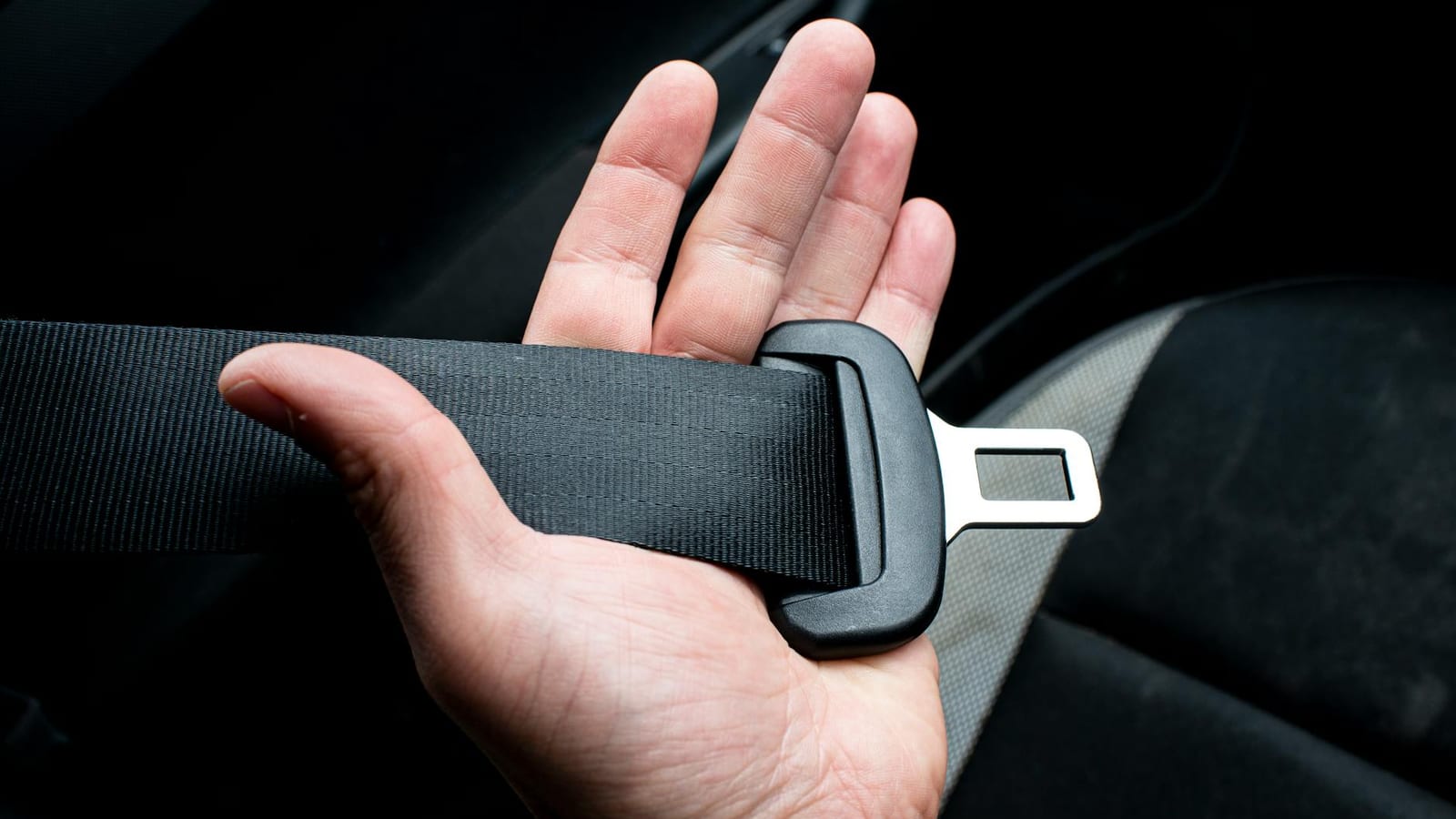
A seat belt turned a frightening highway crash into a warning, not a tragedy.
Supriya Sule, Lok Sabha MP and daughter of Sharad Pawar, said her car was hit while travelling from Pune to Mumbai. She said the other vehicle, bearing Gujarat registration number GJ 13 CF 5257, was being driven fast and carelessly.
Nobody was injured, Sule said. But her message was blunt. She credited the seat belt for keeping her safe.
Pune-Mumbai crash raises old worries
The accident took place during Sule’s journey on the Pune-Mumbai highway, one of western India’s busiest road corridors.
For thousands of office-goers, traders, politicians, transporters and families, this route is routine. That is exactly why such incidents hit a nerve. A highway used every day can also become dangerous in seconds.
Sule said the vehicle struck her car from the side. She also shared the vehicle number publicly, making the incident both personal and civic.
This was not just a politician saying she had a close call. It was also a reminder of what ordinary passengers face when one driver treats speed as power.
Seat belts saved the moment
Sule said she survived because she wore a seat belt. That detail matters more than the political identity of the passenger.
India has spent years tightening road safety rules. Yet, in many cars, rear-seat belts still feel optional to passengers. Many people use them only when police checks are expected.
That habit can be costly. A seat belt does a simple job. It keeps the body from being thrown forward or sideways during impact.
In a crash, even a short burst of speed can turn a person into dead weight inside the vehicle. The belt spreads that force across stronger parts of the body.
For families travelling between Pune and Mumbai, this is not theory. Children sleep in the back seat. Elderly parents avoid belts because they feel uncomfortable. Young professionals take calls and ignore the buckle.
Sule’s case makes the point without a lecture. The rule is boring until the one second when it saves you.
Reckless driving is the real cost
The bigger issue is reckless driving on Indian highways. Speeding, sudden lane changes and aggressive overtaking have become almost normal on busy routes.
Drivers often think a larger vehicle gives them right of way. Some honk their way through traffic. Others cut across lanes as if everyone else must adjust.
That mindset hurts more than the person driving badly. It puts passengers, cab drivers, truckers and two-wheeler riders at risk.
For small business owners, highways are not weekend drives. They are supply lines. A shopkeeper waiting for goods, a courier service, or a vegetable trader depends on roads working safely.
One crash can delay deliveries, damage goods and create medical costs. For a household already stretched by EMIs and fuel bills, even a minor accident can become expensive.
Road safety is also an economic issue. Bad driving wastes time, raises insurance claims and pushes up logistics costs. Those costs eventually land on consumers.
That is why such incidents should not disappear as celebrity news. The more serious question is whether highways are becoming places where discipline depends on luck.
Politics sits in the background
Sule belongs to the Nationalist Congress Party faction led by Sharad Pawar. Her public life makes any incident involving her instantly visible.
But the road safety message cuts across party lines. A crash does not ask which party a passenger supports.
The same report around the incident also referred to tension within Maharashtra politics, including an ink attack involving party spokesperson Vikas Lawande. Police action has followed in that matter.
That political backdrop shows how charged the state’s public life has become. Yet the accident itself deserves a calmer reading.
Public figures travel constantly. Their convoys and cars are visible. When something goes wrong, the news spreads quickly.
But ordinary citizens face the same danger with less protection. They may not have security staff, trained drivers, or immediate public attention.
That gap is why accountability matters. If a vehicle is driven dangerously, police must treat it as a road safety issue, not a passing inconvenience.
India often wakes up after a high-profile crash. The harder task is staying awake once the headlines fade.
Safer roads need daily discipline
Sule appealed to citizens to wear seat belts, stay alert and drive responsibly. It sounds simple, almost too simple.
But simple habits are often the difference between a scare and a funeral.
Road safety cannot rest only on police fines. It needs better enforcement, clearer lane discipline and drivers who understand risk before impact.
Highways also need regular reminders. Speed cameras help. Patrols help. But a culture of safe driving begins inside the car.
The driver must slow down. The passenger must wear the belt. Families must stop treating back-seat safety as optional.
For many Indians, the highway is where ambition moves. People travel for jobs, meetings, weddings, exams, hospital visits and business deals.
That makes road safety a public promise, not a private preference.
Sule’s accident ended with everyone safe. That is the fortunate part. The useful part is what it tells the rest of us: the next crash may not involve a famous name, but the lesson will be exactly the same.