Sairat Actor Arbaz Shaikh Turns Car Budget Into Cake Shop
Arbaz Shaikh says Nagraj Manjule advised him to cancel a new Hyundai Creta booking and invest the money in a cake shop instead.
A ₹16 lakh car can make a young actor feel like he has arrived. For Arbaz Shaikh, it became a question instead: what happens when the applause slows down?
The actor, who became a familiar face after Sairat, had booked a Hyundai Creta with his wife Simran. Then one phone call changed the plan.
He told filmmaker Nagraj Manjule about the purchase. Manjule listened, paused, and asked the kind of blunt question only a mentor can ask: why do you need it now?
A car booking becomes a business lesson
Shaikh said he and Simran had gone to book a new Creta. The car would cost around ₹15 lakh to ₹16 lakh. For a young actor, that is not just transport. It is also a signal.
But Manjule saw the number differently. He told Shaikh that a new car would lock up money without giving anything back. If he really needed a vehicle, Manjule suggested a second-hand car.
The sharper advice was about cash flow. Put that money into a shop, Manjule told him. Build something that earns even when acting work slows down.
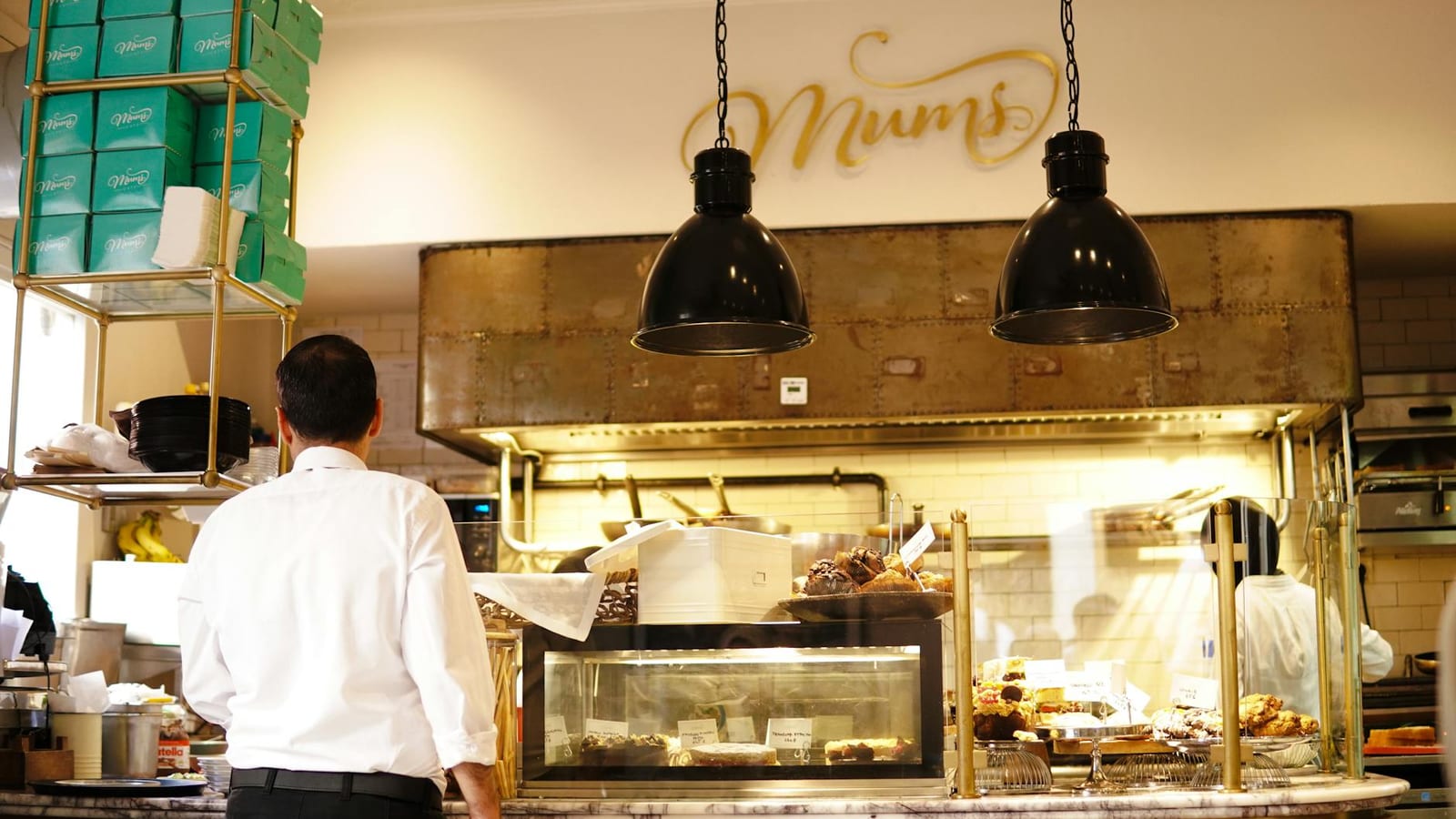
Shaikh and Simran cancelled the car booking. They opened a cake shop instead.
That small turn says a lot about the uncertain economics of film careers. One hit film can change visibility overnight. It does not always create steady monthly income.
Why film fame needs cash flow
Sairat made history in Marathi cinema. It crossed the ₹100 crore mark and changed the lives of its young cast. The film gave Shaikh recognition beyond the usual narrow lanes of regional fame.
But recognition and financial security are not the same thing. Actors outside the very top bracket often live project to project. Payments come in bursts. Gaps can be long.
That is why Manjule’s advice matters beyond one actor’s personal story. He was talking about the basic rule of money: assets must either help you earn or protect you.
A new car loses value the moment it leaves the showroom. A small shop, if run well, can bring daily sales. It can pay staff, rent, suppliers, and bills.
For many young professionals, this is the real trade-off. Lifestyle spending gives instant pride. A business gives slower comfort, but it can hold a family together.
The mentor behind the move
Shaikh has often credited Manjule for shaping his career. In the interview, he said he still discusses major decisions with him. That detail is easy to miss, but important.
The film industry sells individual success stories. Yet many careers run on quiet guidance. Someone older spots the risk before the younger person sees it.
Manjule’s advice was not glamorous. It did not sound like a film speech. It sounded like a practical conversation in a middle-class home.
That is also why it landed. He did not tell Shaikh to stop dreaming. He told him to build a floor under the dream.
For an actor, that floor can matter. One year may bring a good role. Another year may bring waiting, auditions, and uncertainty. A side business can turn panic into patience.
A cake shop instead of a Creta
The cake shop is not just a cute anecdote. It shows how celebrity income can move into the local economy.
A shop needs supplies. It needs workers. It needs customers who return. It also needs discipline, because food businesses run on small margins and daily quality.
Shaikh’s move also reflects a larger shift among younger actors and creators. Many now treat fame as one income stream, not the whole plan.
Some invest in cafes, studios, clothing labels, gyms, or food brands. Others create digital content between films. The smarter ones know visibility must become something steadier.
Shaikh has continued acting too. He was recently seen with Sai Tamhankar and Vijay Varma in Matka King. His film Boys was also released recently.
That balance is the point. The cake shop did not replace acting. It gave the household another engine.
The quiet economics of advice
There is a larger business lesson hiding in this simple story. A ₹16 lakh decision can look affordable when money is coming in. It can feel reckless when work dries up.
That is true for actors, startup employees, small traders, and salaried families alike. The first big purchase after success often tests financial judgement.
Young professionals on home loans know this feeling well. So do small business owners who must choose between a better lifestyle and fresh stock for the shop.
Shaikh’s choice worked because he paused before spending. Many people do not. They mistake income for wealth. Wealth is what remains useful when income pauses.
Manjule’s advice also carried a consumer-protection instinct. He pushed Shaikh to ask what the purchase would return. That question is boring, but it saves money.
In business, this is called opportunity cost. In plain English, it means every rupee used one way cannot be used another way.
Shaikh could have had a new car. Instead, he chose a business that could bring money home even when the camera was elsewhere.
For ordinary readers, that is the real takeaway. Success is not only about earning more. It is also about resisting the first expensive temptation. The car can always come later. A steady income, built early, gives a family far more room to breathe.