Pune Traders On Edge After Punawale Mall Gunfire
A firing at a Punawale furniture mall over an alleged Rs 2 crore extortion demand has raised security concerns among Pune traders and staff.
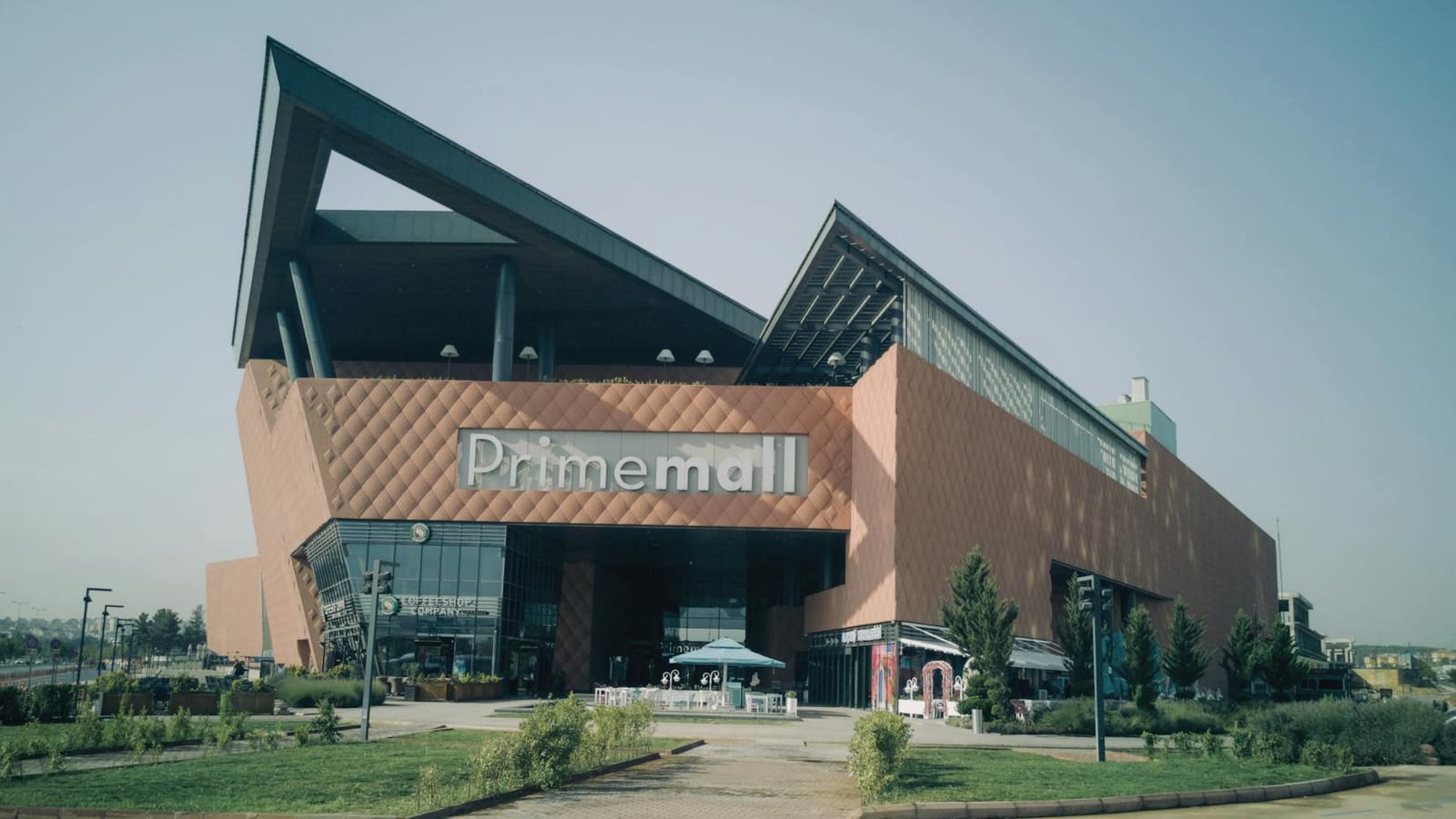
A furniture mall owner in Pune now has to think about more than sales, rent, and staff salaries. After six bullets were fired at a mall in Punawale over an alleged ₹2 crore extortion demand, the city’s business story suddenly looked much less comfortable.
This is the awkward truth about fast-growing cities. Money arrives first. Roads, housing, shops, coaching centres, malls, and jobs follow. Then come the pressure points, crime, fraud, heat, exams, and public systems trying to catch up.
Punawale firing rattles traders
Police are probing a firing incident at a furniture mall in Punawale, where unidentified attackers allegedly demanded ₹2 crore. The Lawrence Bishnoi gang has claimed responsibility on social media, though investigators will still have to verify that claim.
For traders, even one such case changes the mood. A mall is not only a showroom. It is also carpenters, loaders, delivery boys, sales staff, transporters, and suppliers.
When bullets hit a business, fear travels faster than the police file. Smaller shopkeepers start asking basic questions. Can they keep late hours? Should they hire guards? Will insurance cover such risk?
This matters because Pune’s western belt has become a magnet for housing and retail. Punawale, Wakad, Ravet, and nearby pockets are no longer sleepy edges. They are where new apartments meet new consumption.
Fraud follows easy money
In Pimpri-Chinchwad, police have also reported a separate fraud case linked to share market investment promises. The alleged cheating amount is around ₹1.25 crore.
That number tells its own story. Stock market language has entered middle-class homes. Apps have made trading easy. But easy access also gives cheats a larger hunting ground.
A promise of quick returns can sound tempting to salaried workers and small business owners. Many people understand bank deposits. Fewer understand market risk. That gap is where fraud often walks in.
Police also arrested a man allegedly moving around in a Thar with a koyta. That detail may sound dramatic, but it points to a familiar urban problem. Fast money and local muscle often appear together.
For a city trying to sell itself as a clean business hub, these cases carry a cost. Investors do not only look at tax breaks and roads. They also watch everyday law and order.
City heat becomes business risk
The Pimpri-Chinchwad Municipal Corporation now plans dense forests on reserved plots. The civic body wants to plant around two lakh trees to reduce the city’s temperature.
This is not soft environmental talk anymore. Heat has become an economic issue. It affects factory workers, delivery riders, schoolchildren, construction labourers, and office commuters.
When temperatures rise, productivity falls. People tire faster. Power demand climbs. Businesses spend more on cooling. Poorer families pay the price with discomfort and health risks.
Dense urban forests will not cool a city overnight. But they can help if planned well and protected from encroachment. The real test is maintenance after the photo opportunity ends.
Pimpri-Chinchwad’s growth has depended on factories, IT offices, housing, and road connectivity. But that growth also created heat islands. Concrete stores heat during the day and releases it slowly at night.
For residents, this means hotter homes and longer cooling bills. For companies, it means a tougher environment for workers and customers alike.
Education system looks for relief
The MHT CET schedule may also change from the next academic year. The state CET cell is planning to hold the first session in December to reduce exam pressure on students.
For families, entrance exams are not just academic events. They are financial events too. Coaching fees, travel, forms, books, and missed workdays all add up.
A December session could spread the pressure. Students may get more breathing room. Parents may also plan better, especially in homes where one salary supports many ambitions.
But the plan will need clear communication. Confusion around dates hurts students from smaller towns most. Families with fewer resources cannot keep changing travel and study plans.
There is another education-linked development too. The state board plans solar panels at all nine divisional offices. It also has an initiative linked to girls’ examination fees.
Solar power sounds like a technical decision. In plain words, it can reduce electricity bills over time. If savings support student welfare, the move becomes more meaningful.
Public systems face pressure
The Maharashtra State Board handles lakhs of students across the state. Even small administrative choices affect many families.
That is why solar panels, exam fees, and schedules should not be seen as routine files. They sit inside a larger question. Can public systems reduce the hidden costs of education?
Pune’s education economy is huge. Coaching centres, hostels, transport operators, stationery shops, and small eateries all depend on the student cycle. Any exam calendar change shifts money around.
Teachers are also part of this pressure chain. The education department has ordered salary action against teachers who went on election duty but did not rejoin their original schools.
That may sound like an internal matter. But when teachers are missing, classrooms suffer. When salaries stop, families suffer. Public administration often looks neat on paper and messy in real life.
Pune’s latest news cycle shows a city growing in several directions at once. Retail is expanding, but extortion fears can hurt confidence. More people are investing, but fraudsters are chasing them. Civic bodies are planting trees, but heat is already biting. Exams are being reshaped, but families need clarity.
For ordinary readers, the lesson is simple. Growth is not only about new malls, flats, and flyovers. A city becomes truly liveable when business owners feel safe, students get fair systems, and public money solves daily problems. Pune is still a city of promise. The next test is whether that promise can feel secure at street level.