Pune CNG Price Hike Hits Auto Drivers With ₹450 Extra Monthly Cost
A ₹1.50 per kg CNG hike in Pune and Pimpri-Chinchwad adds ₹400-450 monthly to fuel costs for auto drivers locked into fixed government fare slabs.
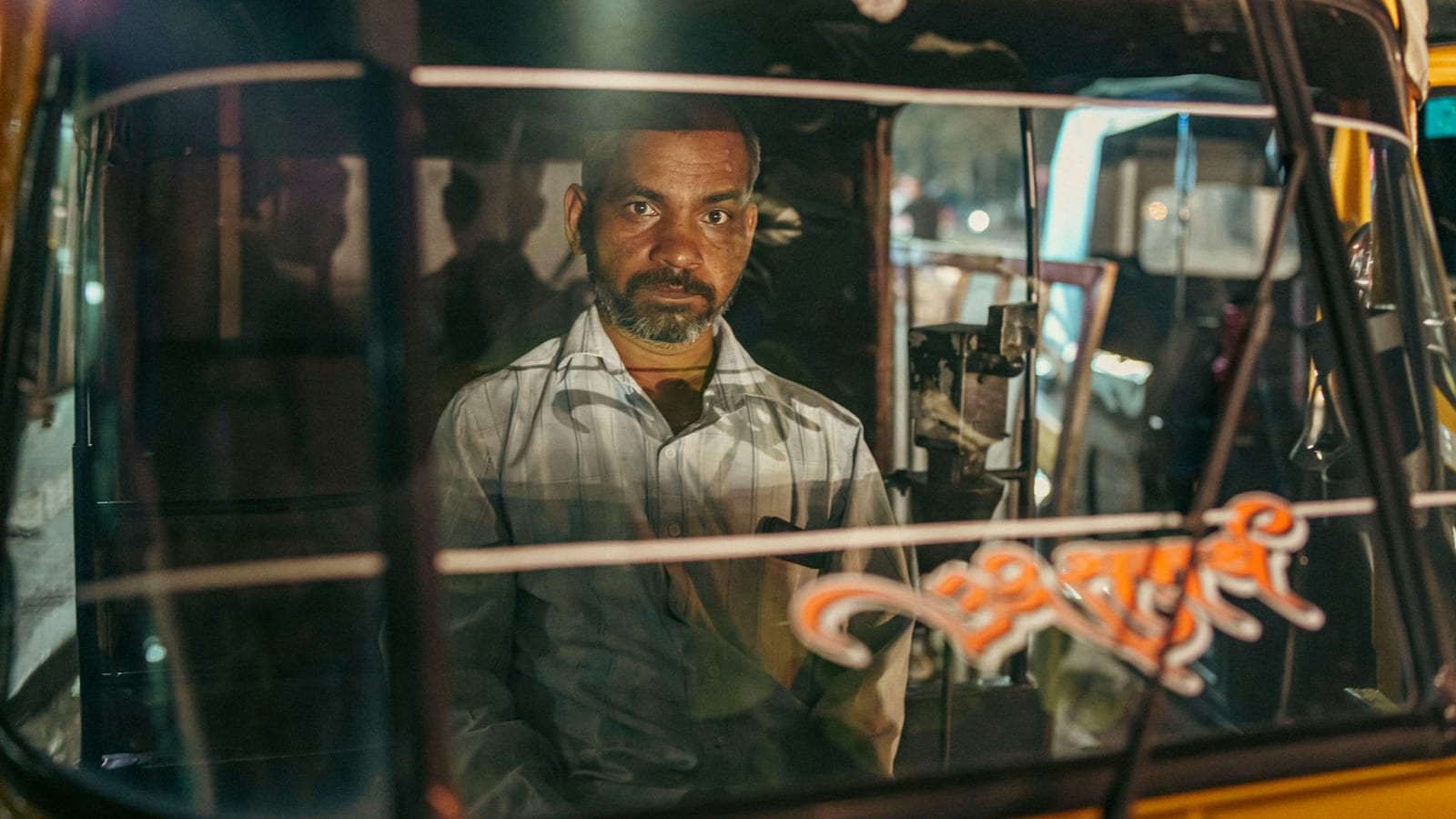
For Pune’s thousands of auto rickshaws, last night brought an unwelcome number. CNG, the fuel they all run on, got more expensive by ₹1.50 per kilogram from midnight, and the first thing many drivers did this morning was reach for a calculator.
The maths is not complicated. An auto running a full shift across Pune’s expanding road network burns through roughly 8 to 10 kilograms of CNG per day. That extra ₹1.50 per kilogram translates to ₹12 to ₹15 more per shift, roughly ₹400 to ₹450 more per month, for a driver already working within rigid fare slabs set by the government. It is not a number that makes headlines. But it is a number that decides whether a driver goes home with a small profit or barely breaks even.
Pimpri-Chinchwad, Pune’s industrial twin, faces the same increase. The two cities together form one of Maharashtra’s most economically dense urban corridors, home to IT campuses, automotive plants, and a sprawling small-business ecosystem that moves goods and people on CNG-powered fleets every single day.
CNG was the promise made to these cities when India pushed hard for cleaner urban transport in the early 2000s. The government built city gas distribution networks, set up filling stations, and offered cheaper gas allocations to keep the economics attractive. Buses, autos, and private vehicles switched in large numbers. Pollution fell. And for a long time, the wallet argument held up. CNG was genuinely cheaper per kilometre than petrol or diesel.
That argument has been eroding steadily. Maharashtra’s city gas distribution networks have been raising prices in phases as the government moved away from administered, subsidised gas pricing toward market-linked rates. Each revision looks modest in isolation. Cumulatively, they have added up to a significant shift from the fuel economics that made switching to CNG worthwhile in the first place.
Maharashtra Natural Gas Limited (MNGL), which distributes CNG across Pune and Pimpri-Chinchwad, has been navigating this transition alongside other city gas distributors across India. Input cost pressures are real, shaped by how the government has shifted domestic natural gas allocation and pricing for city gas companies. But the output of that pressure keeps landing, repeatedly, on the people least able to absorb or pass it on.
The auto rickshaw driver is the clearest example. His fares are state-regulated. They do not move with fuel prices. The only way to get a fare revision is through a formal process involving the state government and the Regional Transport Office, a process that can stretch from months to well over a year. In the meantime, every time CNG goes up, he runs at thinner margins until the revision catches up, if it does at all.
Driver associations representing Pune’s auto and transport operators have been pressing for a fare revision through 2025 and into 2026. This latest hike will sharpen that demand. In the absence of a formal revision, drivers resort to informal arrangements, asking passengers for a small top-up on longer trips. It creates friction, but it is partly a rational response to a pricing mechanism that no longer reflects fuel reality.
The cost pressure does not stop at the auto stand. Small and medium businesses that depend on CNG-powered fleets absorb the same hit. A bakery supplying fresh goods across Pune’s outer ring roads, a hyperlocal delivery service, a plumber running a service van, all face the same calculation. Fuel is a direct operating expense. When it rises, margins shrink or prices have to go up.
The broader consumer environment in Maharashtra is already stretched. The state government recently raised excise duty significantly on domestic and foreign liquor. The market response has been swift: buyers are shifting toward the cheaper state-branded liquor category and beer, which escaped the steepest duty increases. That pivot reflects something real. The average Maharashtra household is now recalibrating spending across categories, each time one expense line moves up, another gets trimmed.
Pune and Pimpri-Chinchwad have grown fast and spread far. IT campuses in Hinjewadi, factories in Chakan, residential towers in Wakad and Baner, the expansion has added kilometres to daily commutes and proportionally more dependence on city transport. Each time CNG prices rise, the cost multiplies across longer distances and larger volumes. For people who cannot work from home and cannot afford a private vehicle, the squeeze on public and commercial transport is not abstract. It is a daily arithmetic problem.
Maharashtra’s policy challenge is familiar to any rapidly urbanising Indian state. It wants clean air, expanding city gas networks, and cleaner transport fleets. But it has progressively reduced the pricing support that made those networks commercially attractive. The two goals can coexist, but they require an honest accounting of who bears the transition cost, and a faster mechanism for revising regulated fares so that low-margin transport operators and the commuters who depend on them are not left permanently behind.
For now, Pune’s auto drivers will pass another day recalculating break-even. Their passengers will keep a second glance at their wallets before hailing a ride. And the gap between what fuel costs and what fares allow will keep widening until the state government addresses both sides of the equation at once, not just one.