Omar Warns Delay In J&K Government Formation May Aid BJP
Omar Abdullah says delaying government formation in Jammu and Kashmir after the vote count could extend LG rule and benefit the BJP if it lacks numbers.
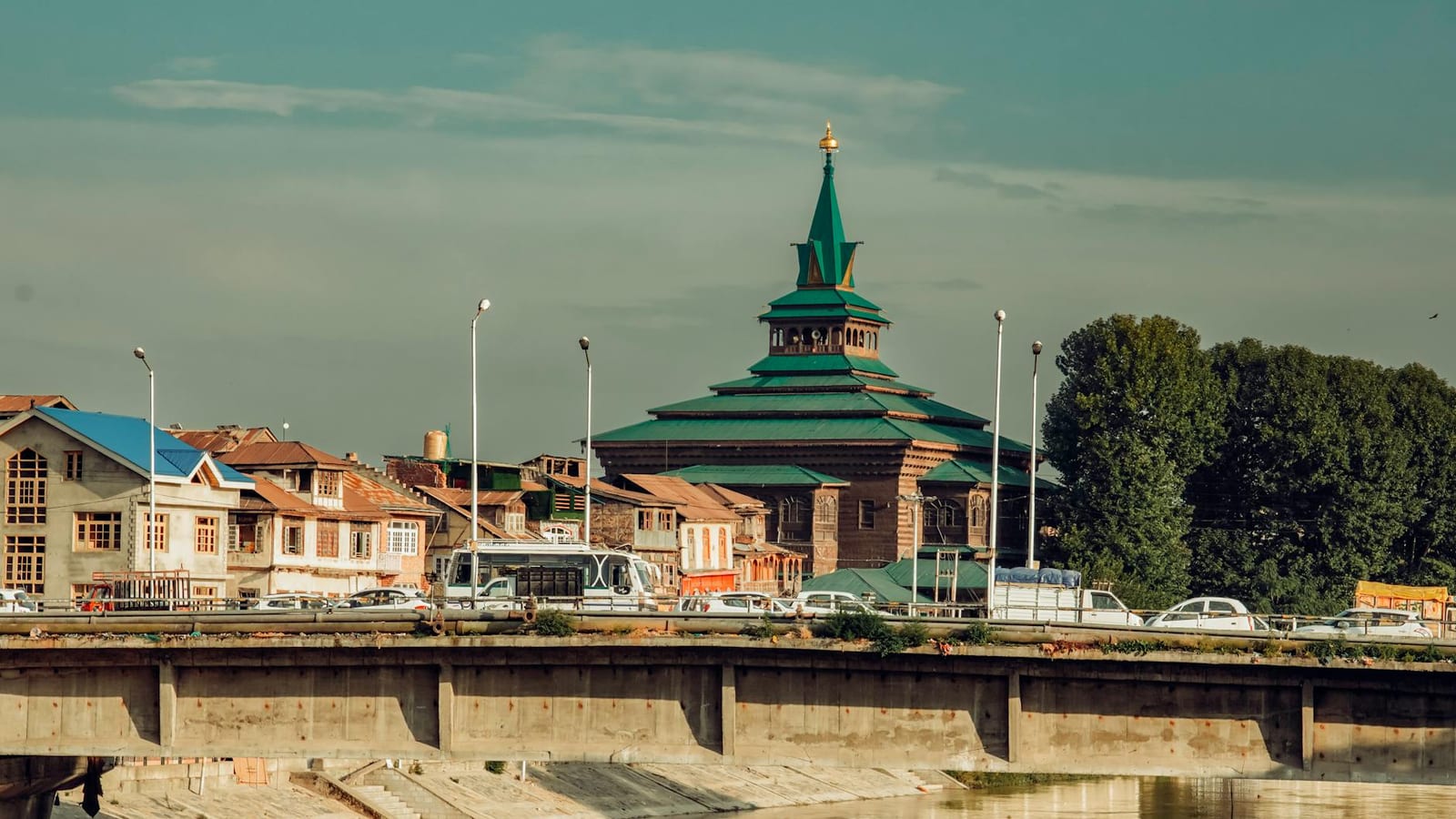
For a shopkeeper in Srinagar, a hotel owner in Jammu, or a young job seeker in Baramulla, this election is not only about seats. It is about who finally takes calls on daily life.
That is why Omar Abdullah sounded unusually blunt before counting day. His warning was simple: delaying government formation may help the very party many opposition leaders want to stop.
The former chief minister said the BJP would prefer an extension of central rule through the Lieutenant Governor if it cannot form the next government in Jammu and Kashmir.
Omar warns against delay
Omar’s sharp post on X came after Engineer Abdul Rashid urged non-BJP parties to delay government formation.
Rashid, the Baramulla MP and chief of the Awami Ittehad Party, argued that parties should first pressure the Centre to restore statehood. Only after that, he said, should a new elected government take charge.
On paper, that sounds like a pressure tactic. In practice, Omar said, it could hand the BJP exactly what it wants.
His point was not subtle. If the BJP lacks the numbers to form a government, he argued, it would rather see central rule continue in Jammu and Kashmir.
That matters because the elected assembly in a Union Territory has limited powers. The Lieutenant Governor still controls several key levers. For ordinary residents, that can decide how quickly files move, who gets heard, and where money goes.
Statehood sits at the centre
The statehood question has hung over Jammu and Kashmir since 2019. That year, the Centre scrapped Article 370 and split the former state into two Union Territories.
Since then, politics in the region has changed in ways people still feel. Many decisions moved further away from local elected leaders. The bureaucracy gained more weight.
For voters, this is not an abstract constitutional debate. It affects land, jobs, police powers, welfare delivery, and development approvals.
Rashid said the new assembly would have restricted authority. He urged the INDIA bloc, the National Conference, the People’s Democratic Party, the People’s Conference, and Apni Party to unite on statehood first.
He also took a swipe at Congress. He said it took votes from Kashmiris but stayed quiet on Article 370.
That line will sting in the Valley. Many voters there see Article 370 and statehood as matters of dignity, not just policy.
Still, Omar’s counter was practical. A delayed government may not force Delhi’s hand. It may instead keep real power with the Centre for longer.
Coalition talk starts early
The timing added spice to the argument. Jammu and Kashmir’s assembly election results were due on Tuesday after three phases of voting.
Exit polls had given the National Conference-Congress alliance an edge. The two parties had entered the contest together.
That triggered early talk about what happens if the alliance falls short. Farooq Abdullah, the National Conference president, had said the party could take support from the People’s Democratic Party if needed.
Omar tried to cool that talk. He said voters had not yet delivered their verdict, so coalition chatter was premature.
He also made a clean distinction. The PDP had not offered support, he said, and the National Conference had not received any such backing.
This is classic Kashmir politics before counting day. Every seat projection becomes a bargaining chip. Every statement travels faster than the ballot numbers.
But the bigger issue is not just who supports whom. It is whether the new assembly gets to function quickly at all.
Limited powers, real stakes
Business owners in Jammu and Kashmir know what uncertainty costs. Tourism operators need confidence. Traders need predictable rules. Contractors need payments to move. Young people need recruitment calendars that do not vanish into files.
A functioning elected government cannot solve all of that overnight. But it gives people a visible political door to knock on.
Under central rule, residents often face a more distant chain of command. A local MLA may raise an issue, but the final authority may sit elsewhere.
That is why the debate over timing matters. Delaying a government may look bold from a podium. On the ground, it can mean another stretch of waiting.
The BJP will also read this moment carefully. If the exit poll trend holds, it may not be the first claimant to power. But it will still shape the argument around stability, statehood, and national integration.
For the National Conference, the challenge is different. It must show that taking office under Union Territory limits does not mean accepting those limits forever.
Omar’s position reflects that tightrope. Form the government if the numbers allow it. Then fight for statehood from inside the system.
That may disappoint those who want a harder line. But politics often punishes empty gestures more than imperfect control.
The next government, if formed quickly, will still face a hard ceiling. It will need Delhi for statehood. It will need the Lieutenant Governor on several administrative matters. It will need public patience, which is already thin.
For ordinary voters, the question is plain. Will their vote produce a government that can act, even within limits? Or will Jammu and Kashmir drift again under an arrangement where elected voices remain secondary?
Counting day will answer the first question. The harder answer will come later, when slogans meet files, budgets, jobs, and the daily grind of governance.