Omar Abdullah Warns Delay May Extend LG Rule in J&K
Omar Abdullah says delaying government formation in Jammu and Kashmir could keep LG rule in place and benefit the BJP after counting day.
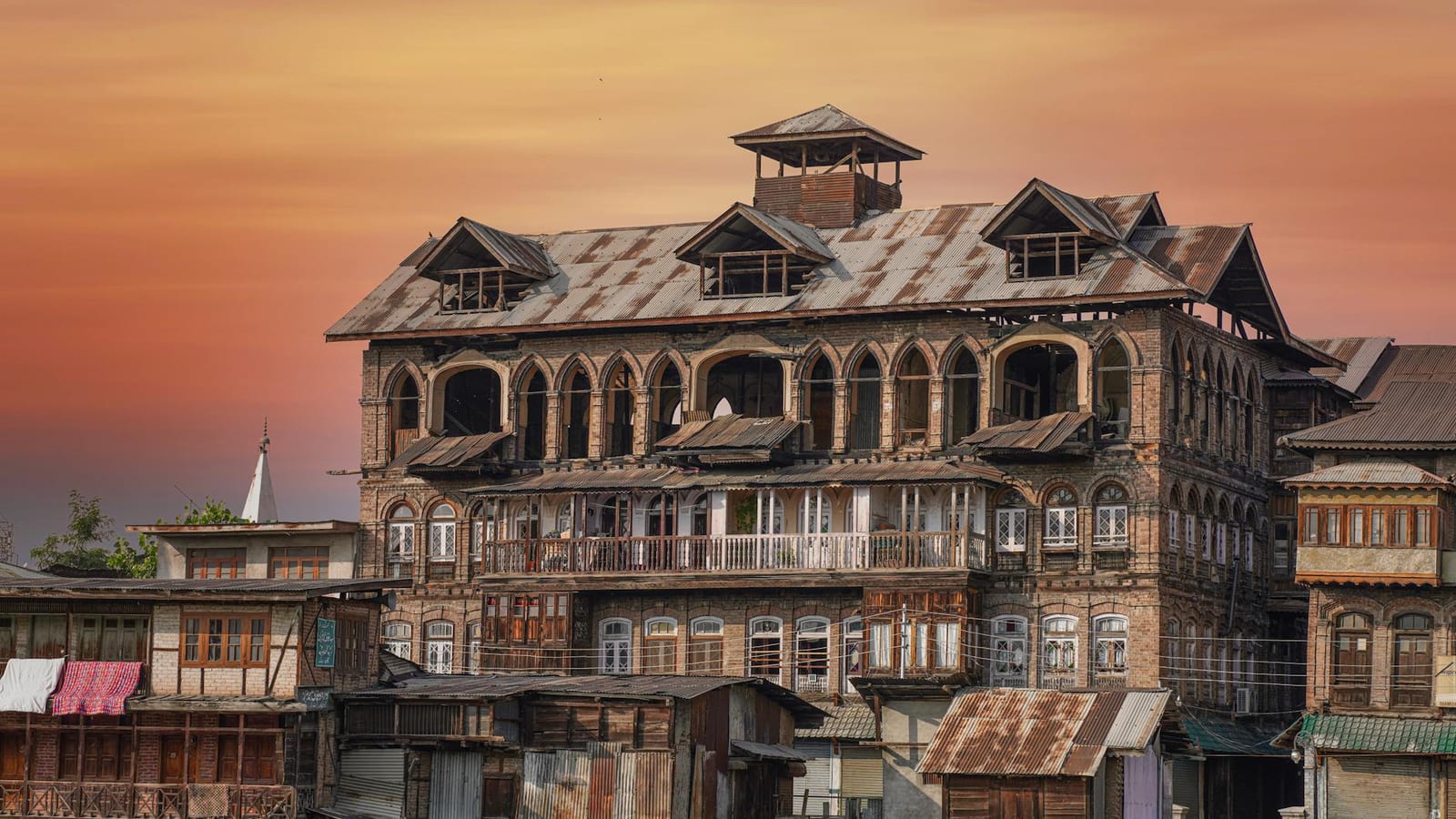
For a trader in Srinagar or a hotel owner in Jammu, this is not abstract politics.
A delayed government means delayed decisions, slower files, and another season of waiting. That is why Omar Abdullah has pushed back hard before counting day in Jammu and Kashmir.
The former chief minister said any move to postpone government formation would only help the BJP. His point was simple. If the BJP cannot form a government, it may prefer more rule through the Lieutenant Governor.
Omar flags the delay risk
Omar Abdullah reacted after Engineer Abdul Rashid urged non-BJP parties to delay forming a government.
Rashid argued that parties should first pressure the Centre to restore statehood. He said the new elected government would have limited powers without it.
Omar called that a dangerous idea. In a post on X, he said such a move would play into the BJP’s hands.
His argument has a sharp political edge. If elected parties delay government formation, central rule continues by default. That means the Lieutenant Governor remains the real centre of power.
For ordinary voters, this matters more than party math. They voted after years without an elected assembly. A delay would make that wait longer.
Statehood sits at the centre
Jammu and Kashmir lost its statehood in August 2019. The Centre also removed its special status under Article 370.
Since then, the region has functioned as a Union Territory. That means Delhi has far more control than it would in a full state.
This is why statehood has become more than a slogan. It decides who controls police, administration, and major policy choices.
Rashid said parties should unite on this single demand. He appealed to the INDIA bloc, the PDP, the People’s Conference, and Apni Party.
He also took a swipe at Congress. He said the party received votes from Kashmir but stayed quiet on Article 370.
That criticism carries weight in the Valley. Many voters want elected leaders to fight for powers, not just occupy offices.
But Omar’s counter is equally practical. If parties refuse to form government, they may get neither statehood nor power.
Alliance talk begins early
The National Conference and Congress fought the election together before polling.
Exit polls gave their alliance an edge. That made talk of support, numbers, and post-poll bargaining unavoidable.
Farooq Abdullah said the National Conference could take support from the PDP if required.
Omar quickly cooled that speculation. He said the PDP had not offered support yet. He also said nobody knew the voters’ final decision.
That was a sensible line before counting. In close elections, early claims can create confusion and needless bitterness.
Jammu and Kashmir politics has seen enough fractured mandates. Parties know how fast rivals become partners, and partners become rivals.
The PDP remains a key player because of its base in the Valley. Even a smaller tally can matter if the numbers tighten.
Still, Omar wants the first message to stay clean. Count the votes first, then discuss government formation.
Why central rule suits some players
The BJP’s challenge is clear. It has strong support in Jammu, but Kashmir remains difficult terrain.
If the party falls short, it may not have enough allies to lead a government. That is where the debate over delay becomes explosive.
Omar’s charge is that the BJP would welcome such a situation. No elected government means Delhi retains control through the LG’s office.
This does not require dramatic action. It can happen through delay, confusion, or political deadlock.
For business owners, this kind of uncertainty carries a cost. Tourism operators need clear rules. Contractors need payment cycles. Startups need permits.
A functioning elected government cannot solve everything overnight. But it gives people someone local to question.
Under central rule, accountability feels distant. A citizen may know the officer, but not the political chain behind the decision.
That distance has shaped public frustration since 2019. People have watched large decisions arrive from Delhi, not Srinagar.
Voters wait for real authority
This election carried symbolic weight from the beginning. It was the first assembly election after the 2019 changes.
The polls took place in three phases. Results were set to be declared on Tuesday, October 8, 2024.
For the Centre, the vote showed democratic activity had resumed. For regional parties, it tested whether people still trusted them.
For voters, the question was simpler. Would their vote produce a government with real authority?
That is where the statehood debate bites. An elected government with limited powers may still disappoint people.
But no elected government at all would deepen the feeling of being managed from outside.
Omar Abdullah is betting that people want both statehood and government. Rashid is arguing that power without statehood may become a trap.
Both positions speak to a real anxiety. Jammu and Kashmir wants representation, but it also wants dignity in that representation.
The next test will come after the numbers. If the National Conference-Congress alliance gets a clear path, pressure will shift to Delhi on statehood.
If the result throws up a hung assembly, every party will face a harder choice. Do they form a government with limited powers, or hold out for more?
For ordinary people, the answer will not lie in slogans. It will show up in roads, jobs, security checks, tourism bookings, and files that finally move.
Jammu and Kashmir has already waited long enough for elected politics to return. The real question now is whether that politics will arrive with power, or only with a chair.