Omar Abdullah Says Delays Could Extend J&K LG Rule
Omar Abdullah warned that delaying government formation in Jammu and Kashmir until statehood returns could keep Lieutenant Governor rule in place.
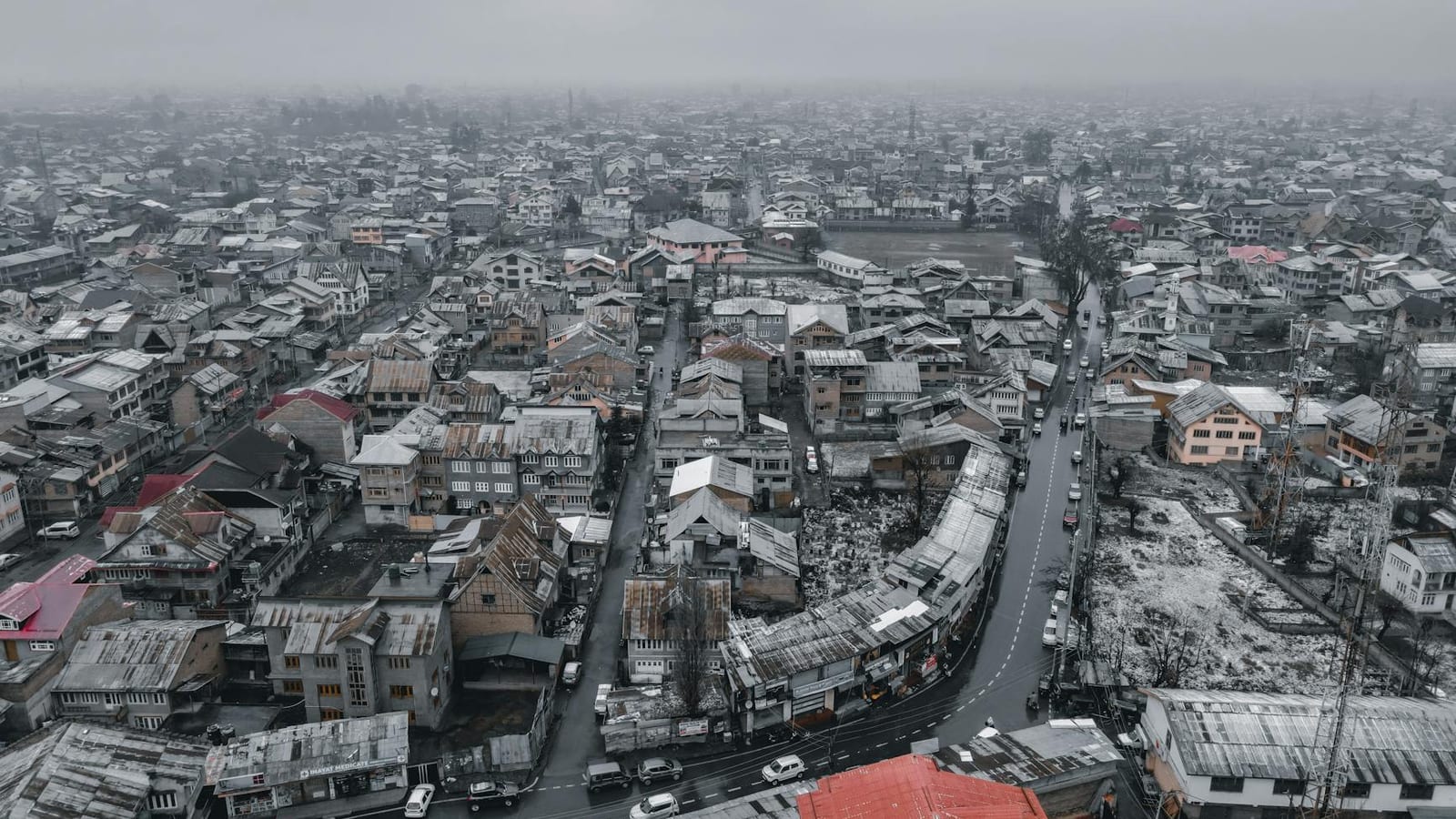
For a shopkeeper in Srinagar, this election is not just about who sits in office. It is about whether decisions on roads, licenses, tourism, jobs, and local taxes move closer to home.
That is why Omar Abdullah’s warning before the Jammu and Kashmir vote count landed with force. The fight is not only about seats. It is also about power, timing, and who controls the next government.
Omar Abdullah said any move to delay government formation until statehood returns would help the BJP. His argument was simple. If elected parties wait, New Delhi’s rule through the Lieutenant Governor continues.
Omar warns against delay
The National Conference leader said the BJP would prefer central rule to continue if it cannot form the government. He made the comment after several non-BJP voices urged parties to hold back.
Their idea was to use government formation as pressure. They wanted all parties to demand full statehood before allowing a new elected government to take charge.
On paper, that may sound like hard bargaining. In practice, Omar argued, it gives the Centre exactly what it may want. No elected government means the current power structure remains in place.
This matters because Jammu and Kashmir is not a normal state today. It is a Union Territory. The elected government, even after polls, will have fewer powers than a state government.
Statehood sits at the centre
Jammu and Kashmir lost its statehood in 2019, when the Centre changed its constitutional status. Since then, many decisions have moved through the Lieutenant Governor’s administration.
For ordinary people, this is not a dry legal point. It shapes daily life. A hotel owner in Kashmir, a contractor in Jammu, or a young graduate chasing a government job feels it differently.
When power sits far away, local complaints travel slower. When elected leaders have limited authority, voters wonder whom to blame. That confusion can suit parties in power at the Centre.
Engineer Abdul Rashid, the Baramulla MP and head of the Awami Ittehad Party, urged non-BJP parties to come together on statehood. He said a new elected government would have limited powers.
His point was political and emotional. Why rush into a government, he asked, if that government cannot fully serve the people who voted for it?
Omar’s counter was sharper. He said delaying government formation would only extend central control. In his view, parties should first respect the voters’ verdict, then fight for statehood.
Opposition camp faces a test
The timing has made everything more delicate. The Jammu and Kashmir Assembly election took place in three phases. Results were due on Tuesday, October 8, 2024.
Exit polls gave an edge to the NC-Congress alliance. That alliance had fought the election together before the vote, which gave it a clearer shape than many rivals.
Still, exit polls are not results. Omar told political players to wait for the actual verdict before discussing support. He pushed back after Farooq Abdullah suggested the National Conference could take help from the PDP if needed.
Omar said no such support had been offered yet. He also said no one knew what voters had decided. That was a fair warning in a region where small swings can change the arithmetic.
The BJP has its own stakes. It has invested heavily in the post-2019 political story of Jammu and Kashmir. A weak showing would not end that project, but it would complicate the message.
A local government led by its rivals could question policy choices more openly. It could demand faster statehood. It could also turn everyday grievances into political pressure.
That is why the dispute over timing matters. It is not a side argument. It may decide whether the first elected government in years begins with momentum or confusion.
Why business should care
This may look like a pure politics story. It is not. Business hates uncertainty, and Jammu and Kashmir has had more than its share.
Tourism depends on confidence. So do hotels, transport firms, restaurants, handicraft sellers, and small traders. When government authority looks unclear, investment decisions slow down.
A business owner does not need a constitutional lecture. He wants to know who clears permissions, who fixes local bottlenecks, and who answers when rules change.
A young professional wants job openings and stable recruitment. A small contractor wants payments on time. A fruit trader wants roads, cold storage, and transport to work without political shocks.
The next government, even with limited powers, can still matter. It can push local priorities, raise issues in the Assembly, and create pressure in public view.
But the real question is how much room it will have. In a Union Territory, police and key administrative powers often stay closer to the Centre. That can create a half-government feel.
Voters then face a familiar Indian problem. They elect one set of leaders, while another authority controls critical levers. Accountability becomes muddy.
The numbers now matter most
Omar’s message was also aimed at opposition discipline. In close contests, loose talk can damage bargaining power. It can also spook voters who expect parties to act responsibly after results.
The National Conference wants to project readiness. It does not want the statehood demand to become a reason for paralysis. That is the political line Omar has drawn.
Rashid and others are pushing a different pressure tactic. They want parties to say that democracy without statehood is incomplete. Many voters in the Valley may agree with that feeling.
Both arguments carry weight. Statehood is not a small demand. It goes to the heart of dignity, power, and trust after 2019.
But voters also waited a long time to choose an Assembly. If parties delay government formation after receiving a mandate, frustration may grow quickly.
The BJP will watch that space closely. If non-BJP parties quarrel over timing, support, and statehood, the Centre’s position becomes stronger without much effort.
The cleanest outcome for voters would be a clear verdict and a quick government. After that, the statehood demand can move from slogans to formal political pressure.
For ordinary people, the test is painfully practical. They need a government that can answer the phone, clear files, and speak for them. Statehood remains the bigger fight, but daily life cannot wait forever.