Nita Ambani jewellery moment turns Met Gala clip into web buzz
Isha Ambani's Met Gala clip drew attention after she credited mother Nita Ambani for her jewellery, turning a luxury moment into a family story.
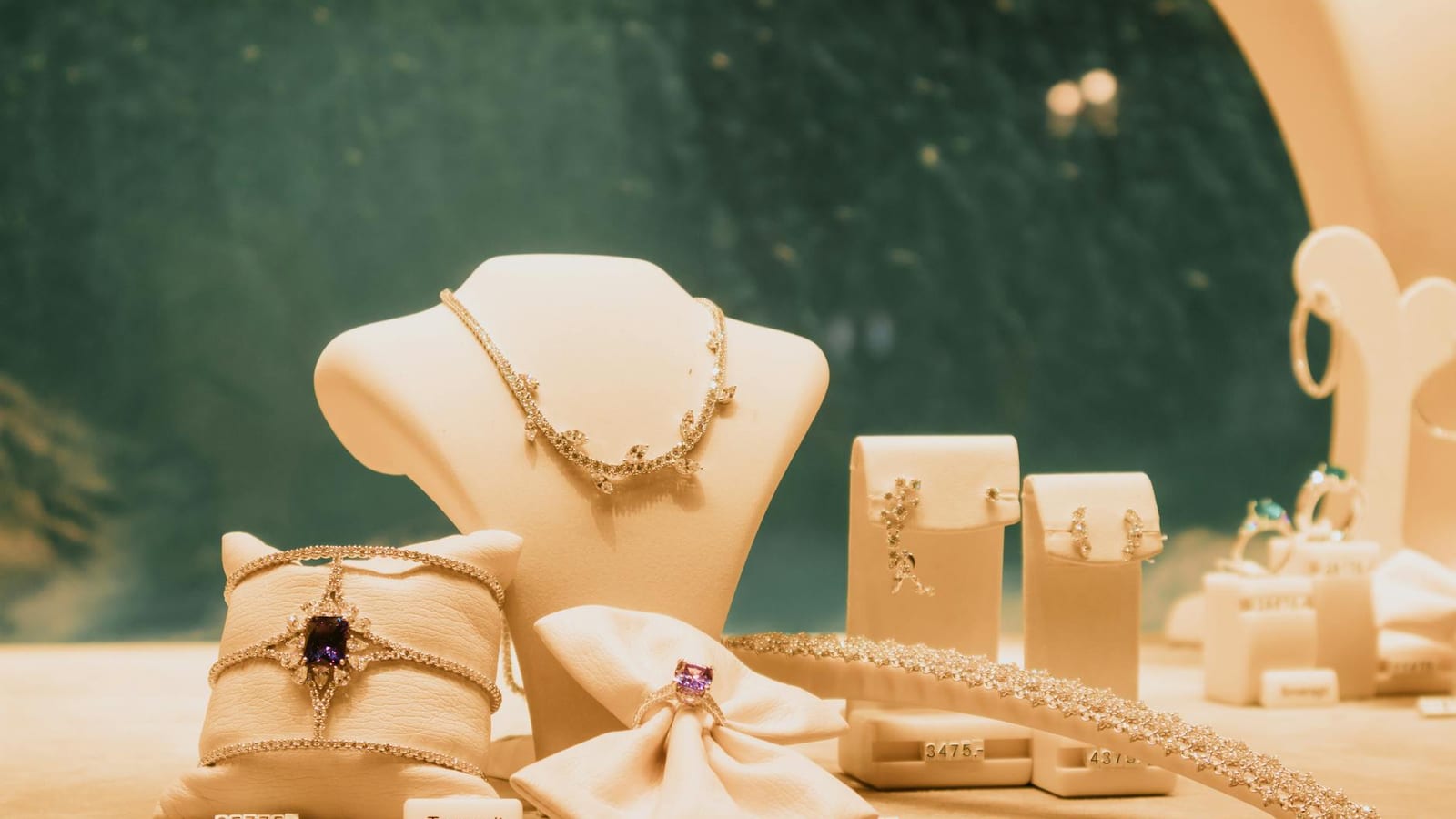
A daughter pointing at her mother’s jewellery should not beat diamonds at the Met Gala. Yet that is exactly what happened online.
Isha Ambani appeared in a behind-the-scenes clip from the Met Gala, dressed for fashion’s loudest red carpet. But viewers did not pause only for the gown, stones, or styling. They paused because she pointed at her jewellery and proudly credited her mother, Nita Ambani.
That small “mom” moment landed just before Mother’s Day. Very quickly, it stopped being only a celebrity clip. It became an Indian internet mood.
Why this clip travelled so fast
The Met Gala usually works on distance. Most people watch it like a museum display. Beautiful, expensive, and not meant for ordinary wardrobes.
This clip worked the other way. It pulled the moment closer. The jewellery was still elite, of course. But the emotion was familiar.
Across India, daughters borrow their mothers’ saris, earrings, bindis, handbags, and shawls. Some do it for weddings. Some do it for office parties. Some do it simply because one old thing carries more meaning than ten new ones.
That is why the video clicked. The scale was different, but the feeling was not.
Isha said, in effect, that the jewels belonged to her mother. The internet heard something simpler. A daughter was wearing something from home, and she was proud of it.
The business behind the emotion
For the Ambani family, public appearances are never just fashion moments. They also sit inside a much larger brand universe.
Reliance Industries Limited is one of India’s most watched business houses. Its family events, weddings, launches, and global appearances often create a media cycle of their own.
That matters because attention has value. A viral clip can do what paid campaigns often struggle to do. It can make a powerful family appear warm, relatable, and rooted.
This is not a small thing in India. Big wealth can feel remote. Legacy jewellery can easily look like a display of privilege. But when the story becomes mother and daughter, the tone changes.
The clip softened the luxury. It turned a high-fashion appearance into a memory-sharing moment.
For brands, that is gold. Not because the video sells one product directly. It does something more useful. It makes aspiration feel personal.
Mother’s Day meets creator culture
The timing helped. Mother’s Day feeds were already full of old photos, long captions, and childhood memories. Then came a format people could copy.
Creators began pointing at things borrowed from their mothers. Some showed wedding jewellery. Some pulled out silk saris from old cupboards. Others used handbags, sunglasses, bindis, and oxidised earrings.
A few took the funny route. They joked about claiming their mother’s “luxury collection”, which could mean anything from a treasured sari to homemade food.
That is how Indian social media often works best. It takes one celebrity moment and localises it. The result becomes less about the original star, and more about everyone’s home.
This trend also had a lower entry barrier. You did not need diamonds or couture. You only needed one object that carried memory.
That is why it spread beyond fashion circles. It worked for young women, families, creators, and anyone who has seen a mother preserve things carefully for years.
What luxury brands should notice
The sharp lesson here is not that sentiment sells. That has always been true.
The sharper lesson is that polished luxury no longer controls the story. Sometimes the best-performing moment is the least planned one.
For years, brands have chased perfect images. Perfect lighting. Perfect captions. Perfect red-carpet poses. But audiences now spot performance very quickly.
They respond better when a moment feels a little loose. A laugh, a gesture, a repeated word, or a quick reaction can travel further than a formal campaign.
This is especially true in India, where family remains a powerful cultural language. Jewellery is rarely just jewellery here. A sari is rarely just fabric. These things often carry weddings, festivals, savings, sacrifice, and pride.
A mother’s cupboard can be an archive. Not in the museum sense, but in the family sense.
That is what made this clip valuable. It connected global fashion with a very Indian habit of emotional inheritance.
The fine line of relatability
There is also a catch. Relatability has limits when wealth sits at this scale.
Most families will never own jewels fit for the Met Gala. Most young professionals are thinking about rent, EMIs, school fees, and job security. For them, luxury content can feel distant very quickly.
But the internet did not respond to the price tag. It responded to the gesture.
That distinction matters. People can reject excess and still understand affection. They can laugh at billionaire glamour and still enjoy a daughter’s pride in her mother.
This is where the clip found balance. It did not ask viewers to admire wealth alone. It gave them a familiar emotional hook.
For businesses, especially consumer brands, this is a useful reminder. Indian buyers do not only buy status. They buy memory, trust, family approval, and cultural meaning.
That is why wedding jewellery ads work. That is why festive campaigns return every year. That is why a simple inherited object can carry more power than a fresh launch.
The “mom” clip will fade, like all trends do. Another video will take over the feed soon enough. But it leaves behind a small clue about today’s audience. People still enjoy glamour, but they want some truth inside it. For ordinary readers, that may be the nicest part of the story. In a room full of diamonds, the thing that shone brightest was still a mother’s place in her daughter’s life.