New Thane Railway Station Cleared at ₹245 Crore After Years of Delay
Maharashtra CM Fadnavis cleared the long-stalled New Thane Station project, with costs doubling from ₹120 crore to ₹245 crore over years of delay.
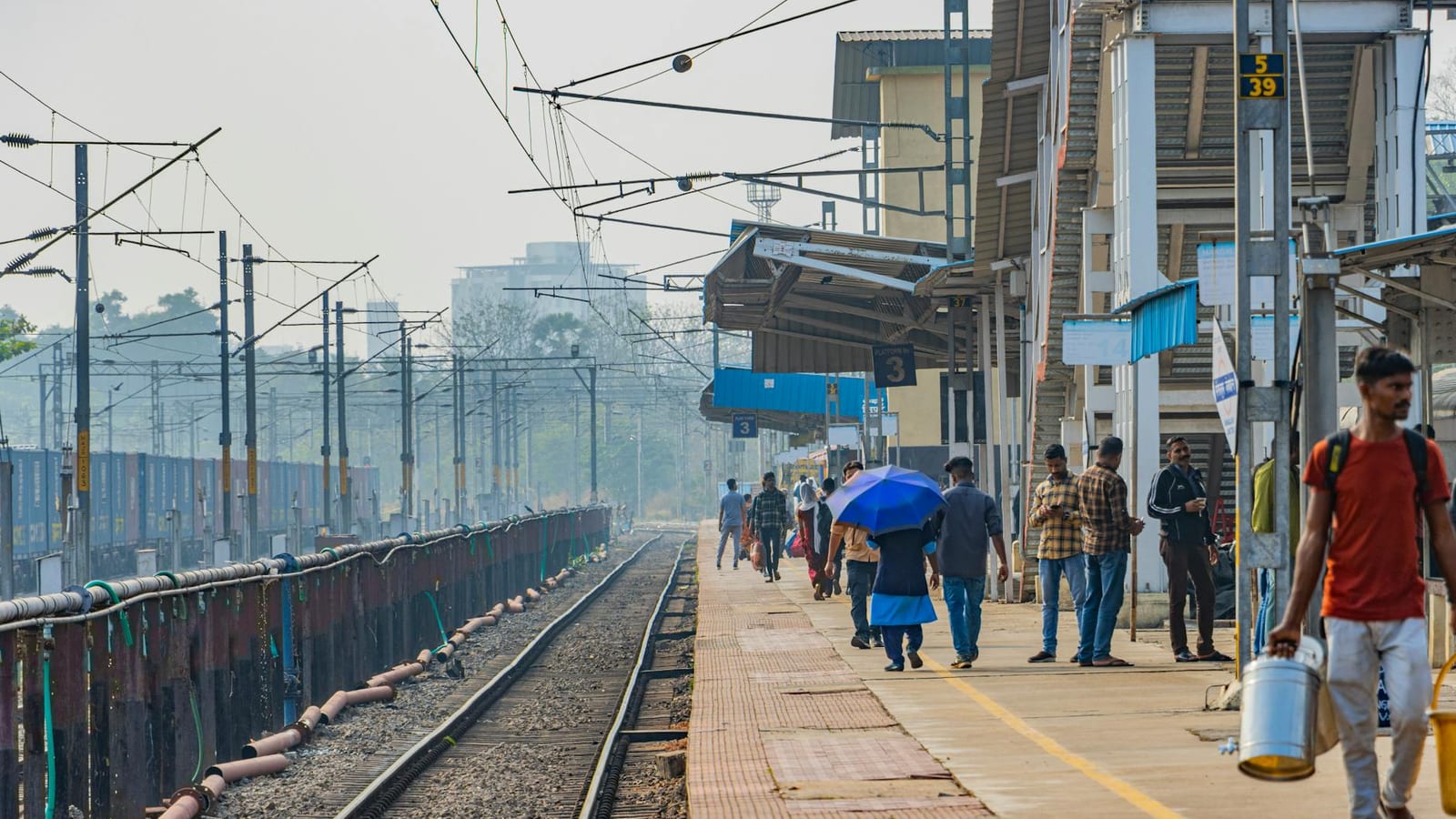
Every morning, more than two million people pile into Central Railway locals between Thane and Mumbai. They stand packed shoulder to shoulder, bags wedged against strangers, watching stations blur past. That corridor has not added a single new station in decades. That may now change.
The long-stalled New Thane Railway Station, planned between Thane and Mulund, finally got its clearance last Friday. Maharashtra Chief Minister Devendra Fadnavis met Union Railway Minister Ashwini Vaishnaw to clear the bureaucratic knot holding the project back. Officials confirmed that project approval moved through the Railway Ministry following that meeting.
The headline number is ₹245 crore. That is what this station now costs. When the project was first conceived, the estimate was ₹120 crore. The bill has more than doubled across years of delay.
That cost explosion is not an anomaly. Across India’s urban rail corridors, infrastructure budgets follow a predictable arc: they start low enough to win initial approval and end high enough to raise questions. The gap between the two is usually filled by time, and time is expensive in construction.
Why the delay, and why it matters now
The New Thane Railway Station was not just stalled on paper. Its planned location, wedged between two of Mumbai’s most congested suburban zones, made it a flashpoint for competing municipal and state claims on land, utility corridors, and local political priorities.
Thane has grown fast. What was once a satellite town of Mumbai is now a city of over 25 lakh people, with more arriving every year. The existing Thane station is one of the busiest in the country. A second station on the mainline corridor, closer to Mulund, would ease pressure at the existing terminus and cut commute times for residents across the fast-developing eastern suburbs.
Political timing plays into this as well. Significant municipal elections are expected across the Mumbai Metropolitan Region in the coming year. For a sitting chief minister, moving stalled infrastructure projects creates visible momentum before a vote cycle. Fadnavis’s direct involvement signals how seriously the state is treating urban delivery right now.
Who gains from this
The immediate beneficiaries live in the middle stretch of the Thane-Mulund belt. People who currently travel either east to Thane or west to Mulund for mainline access gain a stop closer to home. For many, that cuts 20 to 30 minutes from a daily commute already eaten up by crowds and transfers.
For the real estate market, the approval landed on a price curve already climbing. Property values along the planned station’s catchment have been rising for three years, partly in anticipation of this clearance. Buyers who moved early have seen appreciation locked in. Those watching from the sidelines face a tighter entry window now.
For small businesses and daily vendors, a new station is a new economy. Tea stalls, pharmacies, auto-rickshaw operators, the micro-commercial ecosystem that clusters around Mumbai’s suburban stations will gain from a fresh source of daily footfall.
The ₹245 crore question
At more than double the original estimate, the project will draw scrutiny. The ₹125 crore gap between the original figure and today’s number reflects revised construction norms, higher material costs, and the carrying cost of years of inaction.
Construction inflation in Maharashtra, particularly for civil works in dense urban areas, has run significantly above headline consumer price inflation over the past five years. Labour costs for skilled workers on elevated and tunnelling projects have climbed steeply. The lesson is one the infrastructure sector learns repeatedly. Fast execution is cheaper than slow, even when fast feels expensive at the start.
Municipal money and the politics underneath
The station clearance lands in a city where infrastructure debates cut across multiple layers of government. Inside Thane Municipal Corporation, a dispute has broken out between the Bharatiya Janata Party and the Eknath Shinde faction over the allocation of ₹3500 crore in municipal development funds.
Both parties sit together in the state coalition. That makes the public spat sharper. BJP leaders have been questioning the municipal administration’s project choices and fund utilisation. The Shinde camp has pushed back, suggesting the criticism is politically motivated.
For residents, that friction has a direct cost. A ₹3500 crore fund fight conducted in the media occupies officials who should be driving projects forward. It shows up as delays, patchwork repairs, and the persistent sense that the city is always being built without quite being finished.
Metro coming, and what it adds up to
The railway clearance fits into a wider infrastructure shift for Thane. Metro construction at Ghodbunder Road, at the Manpada junction, is already disrupting daily traffic. Commuters on one of the city’s busiest arterial roads absorb that inconvenience every morning.
It is temporary. When both the metro line and the new railway station are operational, Thane’s transport network will look substantially different from what commuters navigate today.
The new station is no longer a line on a map. It has cleared project status, a confirmed budget, and visible political momentum behind it. The ₹245 crore price tag will generate debate, and that debate is legitimate. But the alternative, another decade of inaction while costs compound and the city keeps growing, would cost far more, just in ways that never appear on a balance sheet.
For the millions who board Central Railway locals every morning, this is not a policy announcement. It is the difference between an hour in a crowd and forty minutes on the right train.