New Konkan-Satara bridge to cut hill travel by 50 km
The new cable-stayed bridge near Tapola will shorten Ratnagiri-Satara travel by about 50 km and open after monsoon finishing work.
A 50 km shorter road is not just a line on a map. For families, traders and hotel owners between Ratnagiri and Satara, it can change a whole day’s plan.
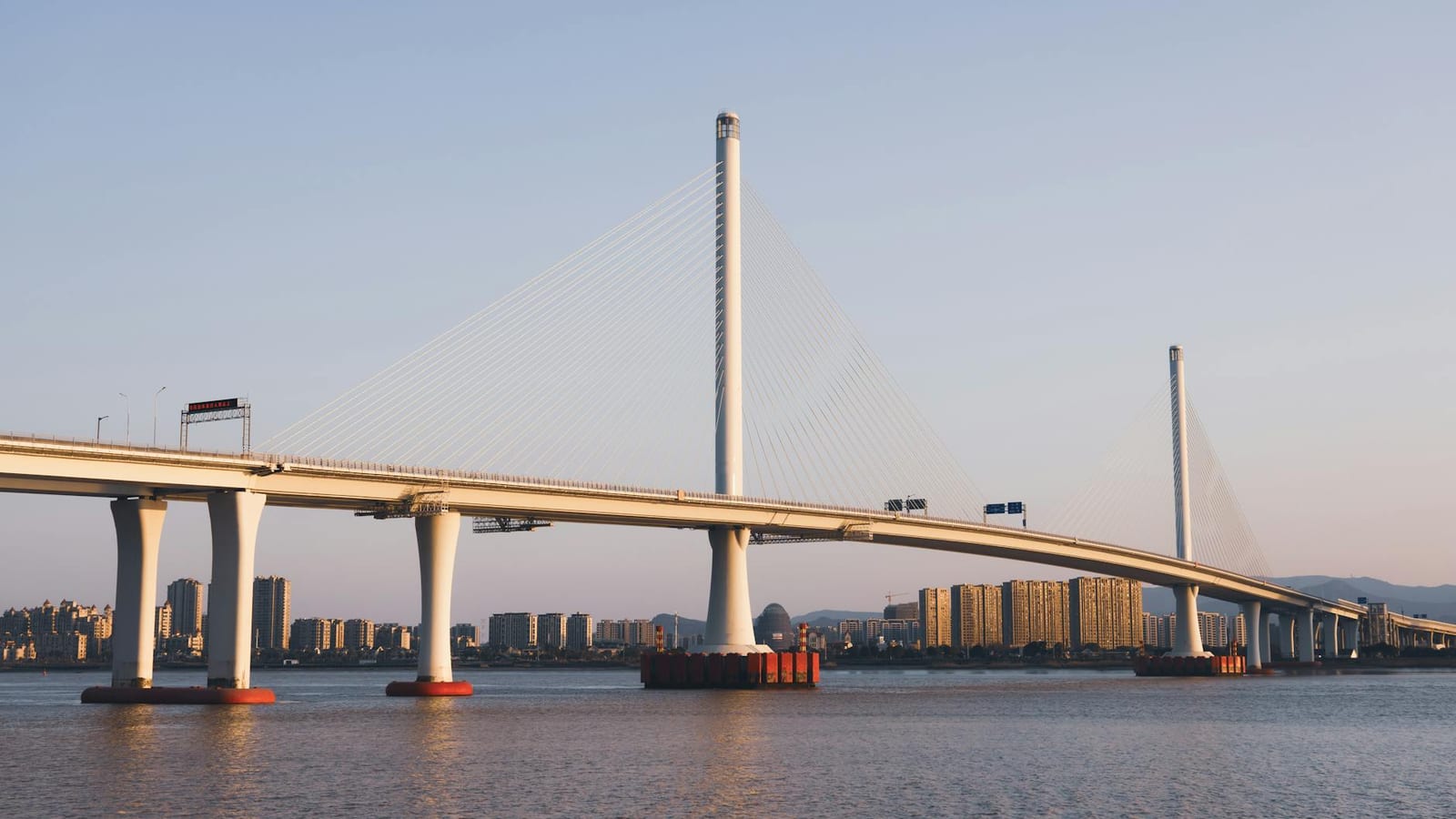
A new cable-stayed bridge linking Konkan with western Maharashtra is now ready. The bridge will open to the public after the monsoon, once the final work around the view gallery is complete.
The project matters because this stretch has always tested travellers. Hills, ghats, ferry-like barge rides and long detours make short distances feel tiring. Now, a cleaner route towards Mahabaleshwar may bring tourists, goods and local businesses closer.
A shorter road to Mahabaleshwar
The bridge connects the Tapola side with Gadhavali Ahir towards Konkan. It will help travellers from Khed in Ratnagiri reach Mahabaleshwar and Satara faster.
Public Works Department engineer Ajay Deshpande said the main bridge work has been completed. He also said the view gallery is in its final stage.
The new route will reduce the distance by about 50 km. That is a serious saving in hilly terrain, where every kilometre can mean sharp turns, fuel burn and driver fatigue.
Until now, many travellers from Ratnagiri heading towards Mahabaleshwar used the Poladpur and Ambenali ghat route. The new bridge will allow movement through the Raghvir ghat side, then onwards through Tapola.
For a family driving up from the coast, this means less time stuck on winding roads. For a transporter, it means fewer hours on the wheel. For a small hotel near Tapola, it may mean more weekend footfall.
The ₹175 crore bridge plan
The project has cost about ₹175 crore. It is a cable-stayed bridge, a design where cables support the deck from tall pylons.
Mumbai has seen this design in the Worli sea link. Western Maharashtra is now getting a version of that engineering in hill country.
The bridge is 540 metres long and 14 metres wide. At its centre, it has a 43 metre high view gallery. Visitors will be able to reach it through a capsule lift. Staircases will also be available on both sides.
This is not just a transport project, then. It has clearly been designed as a tourism asset too.
That choice tells us something about how Maharashtra now views roads. A road no longer only moves people from A to B. It also has to sell a view, create a stopover and keep local spending alive.
The construction work was given to T and T. The bridge had been proposed years ago, when Manohar Joshi was Maharashtra chief minister. The project gained speed after Eknath Shinde became chief minister.
Shinde recently inspected the work. That political push matters in infrastructure. Projects in difficult terrain often stay on paper for years, unless somebody keeps chasing clearances, budgets and deadlines.
Tourism gets a new window
The bridge’s view gallery will look over the Koyna backwaters. Tourists will also be able to see sunrise and sunset from the structure.
That may sound like a small add-on. It is not.
Mahabaleshwar already pulls visitors from Mumbai, Pune and across Maharashtra. Tapola, often called the mini Kashmir of the region, depends heavily on weekend tourism, boating and homestays.
A better road from Konkan can widen that market. It can bring coastal travellers towards hill tourism, and hill travellers down towards Konkan.
That means more business for small food stalls, fuel pumps, repair shops, boat operators and local guides. These are not headline industries, but they are the backbone of travel economies.
A shorter route also helps hotels manage demand better. When access improves, tourists become more willing to plan short trips. One night stays and weekend bookings can rise quickly.
But there is another side. Better roads can bring traffic pressure, waste and land speculation. Hill towns have seen this before. A scenic bridge can become a crowd magnet faster than local systems can cope.
So the real test will come after the ribbon cutting. Parking, safety, garbage control and traffic policing will decide whether this bridge feels like progress or pressure.
More bridges in Koyna valley
This bridge is part of a larger push to improve links across the Koyna valley. Deshpande said three other bridge works in the area are also moving quickly.
One major project will connect Dare village in Satara district with Bamnoli in the Koyna valley. That bridge is expected to cost about ₹300 crore.
Dare is Shinde’s native village. Bamnoli is an important settlement near the Koyna backwaters.
For local residents, that bridge could be more than a convenience. During the monsoon, travel across the backwaters can become risky. People often depend on barge movement, which can turn difficult in bad weather.
A fixed bridge changes that equation. It helps students, patients, farmers and workers travel with more confidence. It also gives emergency services a better chance of reaching people on time.
Another bridge is being built between Bamnoli and Aapati. Together, these projects can reshape movement in a region where water, hills and forested valleys have long controlled daily life.
For businesses, this creates a new corridor. Farm produce, tourism services and small supply chains can move faster. For citizens, it reduces the feeling of being cut off during heavy rain.
Why this matters beyond travel
Infrastructure stories often sound like concrete and budgets. But the real story lies in the minutes people save and the risks they avoid.
A 50 km reduction can lower fuel costs. It can reduce wear on vehicles. It can make a day trip possible where an overnight halt was earlier needed.
For young workers from the region, better connectivity can open wider job markets. For small entrepreneurs, it can bring customers who earlier found the journey too long.
The state will also hope the bridge gives Konkan and western Maharashtra a shared tourism circuit. That is the big business pitch here. Coast, hills, dams, backwaters and temples can feed into one travel route.
Still, good roads do not automatically create balanced growth. Local communities must get a fair share of the business. Otherwise, outside investors buy land, prices rise and locals get pushed into low-paid service work.
The government will need to protect safety and ecology with the same energy it used to build the bridge. The Koyna region is beautiful, but it is also sensitive. Unplanned crowds can damage what people come to see.
When the bridge opens after the monsoon, many will first notice the view. That is natural. But over time, its real value will show in quieter ways, a faster ambulance, a fuller homestay, a trader reaching market earlier, and a village feeling slightly less far from the rest of Maharashtra.