New Konkan bridge to shorten Ratnagiri-Satara route
Completed cable-stayed bridge linking Ratnagiri with the Mahabaleshwar route is expected to cut travel to Satara by 50 km after the monsoon.
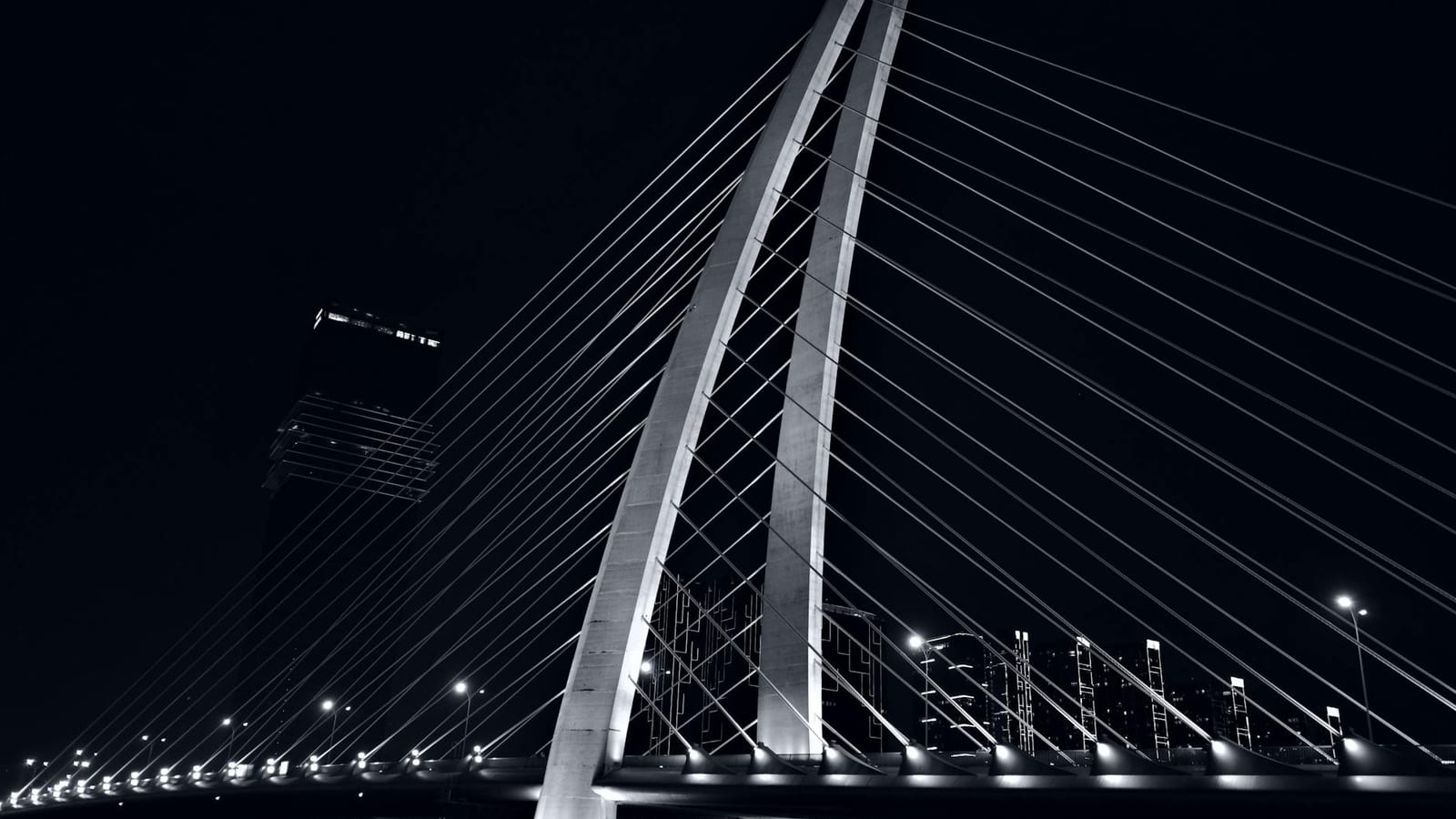
For a trader moving mango cartons from coastal Ratnagiri, 50 kilometres is not a small saving. It can mean fewer hours on a ghat road, lower fuel bills, and one less nervous climb through a risky mountain stretch.
That is why the new cable-stayed bridge linking the Konkan side with the Mahabaleshwar region matters beyond tourism photos. It promises a shorter road between Ratnagiri district and Satara district, two regions that have long looked close on the map but felt far on the road.
The bridge work is now complete, and officials expect it to open for public use after the monsoon. For families, tourists, transporters, and small businesses, the real test will begin once vehicles start crossing it daily.
A shorter road to Satara
The new bridge will connect the Khed side of Ratnagiri district with the Tapola route towards Mahabaleshwar and Satara. Public works officials say the route can cut the Ratnagiri to Satara distance by about 50 kilometres.
That saving matters because the old choice often meant taking the Poladpur and Ambenali ghat route. Anyone who has driven through these parts knows the bargain. The views are lovely, but the road can be slow, narrow, and tiring.
The new route will allow travellers from the Khed side to move through the Raghubir ghat area, cross towards Tapola, and then proceed to Mahabaleshwar or further towards Satara through the Tapola-Kas stretch.
For ordinary travellers, this is not just a line on a road map. It means a weekend trip could become easier. A medical visit or family function across the hills may take less planning. For transporters, it could mean one more trip in the same time.
The bridge and its price tag
The project has cost about ₹175 crore. It is a cable-stayed bridge, a design where tall towers hold the road deck with strong cables. Think of it as the road hanging from a fan of steel support lines.
The bridge runs from Tapola towards Gadhavali Ahir on the Konkan side. It is 540 metres long and 14 metres wide. That width matters because hill roads often become choke points when tourist cars, buses, and goods vehicles meet.
A 43-metre-high viewing gallery has also been built in the middle section. Visitors will be able to reach it through a capsule lift, with stair access on both sides. The project has been handled by T&T, according to officials.
The design clearly looks beyond basic transport. It wants the bridge to become a destination by itself. That can work, but only if crowd control, parking, ticketing, and safety rules keep pace with the tourist rush.
Deputy Chief Minister Eknath Shinde recently inspected the bridge work. The plan for such a bridge goes back to the period when Manohar Joshi was Maharashtra chief minister, but the work gathered speed after Shinde became chief minister.
Tourism gets a new circuit
The bridge sits in a region that already has a strong tourism pull. Mahabaleshwar draws families from Mumbai, Pune, and western Maharashtra. The Konkan pulls a different crowd with beaches, seafood, temples, and quieter village stays.
A smoother link between the two changes the travel equation. A family could combine a hill-station trip with a coastal break more easily. A small homestay owner in Ratnagiri or a taxi operator near Mahabaleshwar could see new demand.
The viewing gallery adds another layer. Officials say visitors will get sweeping views of the Koyna dam backwaters, along with sunrise and sunset points. That will make the bridge attractive for day trippers and social media-driven tourism.
But tourism also brings pressure. Hill towns already struggle with traffic jams, waste, parking chaos, and seasonal crowding. A bridge can bring customers, but it can also bring disorder if local bodies do not prepare early.
For local businesses, the opportunity is real. Restaurants, fuel pumps, repair shops, guides, and small vendors could benefit. The question is whether the benefits reach villages along the route or stay concentrated at a few tourist spots.
Safer travel across Koyna
The larger road push does not stop with this bridge. Another bridge worth about ₹300 crore is being built to connect Dare village in Satara district with Bamnoli in the Koyna valley.
This second project is especially important for people living around the Koyna and Khandati valleys. During the monsoon, travel across the Koyna backwaters by barge can become risky and uncertain. A bridge can reduce that dependence.
For residents, that may mean more reliable access to schools, markets, hospitals, and government offices. These are not glamorous benefits, but they are the ones that change daily life most deeply.
Another bridge between Bamnoli and Apti is also under construction on the same broad route. Public works engineer Ajay Deshpande said work on the Konkan-Western Maharashtra bridge is complete, while the viewing gallery work is in its final stage.
Taken together, these projects suggest a wider attempt to connect isolated pockets around Koyna with the Konkan and Satara side. Better roads often decide whether a village stays cut off or joins a larger local economy.
Business gains and hidden costs
Infrastructure always arrives with two stories. The first story is visible: shorter travel, more tourism, faster movement, and better access. The second is slower to appear: land pressure, maintenance costs, safety risks, and uneven gains.
For Konkan farmers and small suppliers, a shorter road can help move fruit, fish products, processed foods, and local goods towards western Maharashtra markets. Even a small saving in time can protect quality and reduce wastage.
For Satara-side businesses, the link opens a smoother road to coastal consumers and tourist traffic. Hotels and transport operators will watch the first few months closely. If the route proves reliable, travel packages will follow quickly.
Yet the bridge alone cannot do all the work. Approach roads must stay in good condition. Signage must be clear. Mobile connectivity, emergency response, toilets, and safe stopping points will matter once the route becomes popular.
The monsoon will be the first serious exam. Maharashtra has seen many fine road promises turn messy when drainage, landslide protection, or maintenance falls short. A mountain bridge must be treated as a living asset, not a one-time ribbon-cutting photo.
If the state gets the basics right, this bridge can do something rare. It can make a beautiful region easier to visit without making life harder for those who live there. For ordinary people, that is the promise worth watching after the rains.