Navi Mumbai airport flyers face higher fees from June
Navi Mumbai airport plans user development fees from June 1, adding Rs 742 to domestic and Rs 1,467 to international passenger tickets.
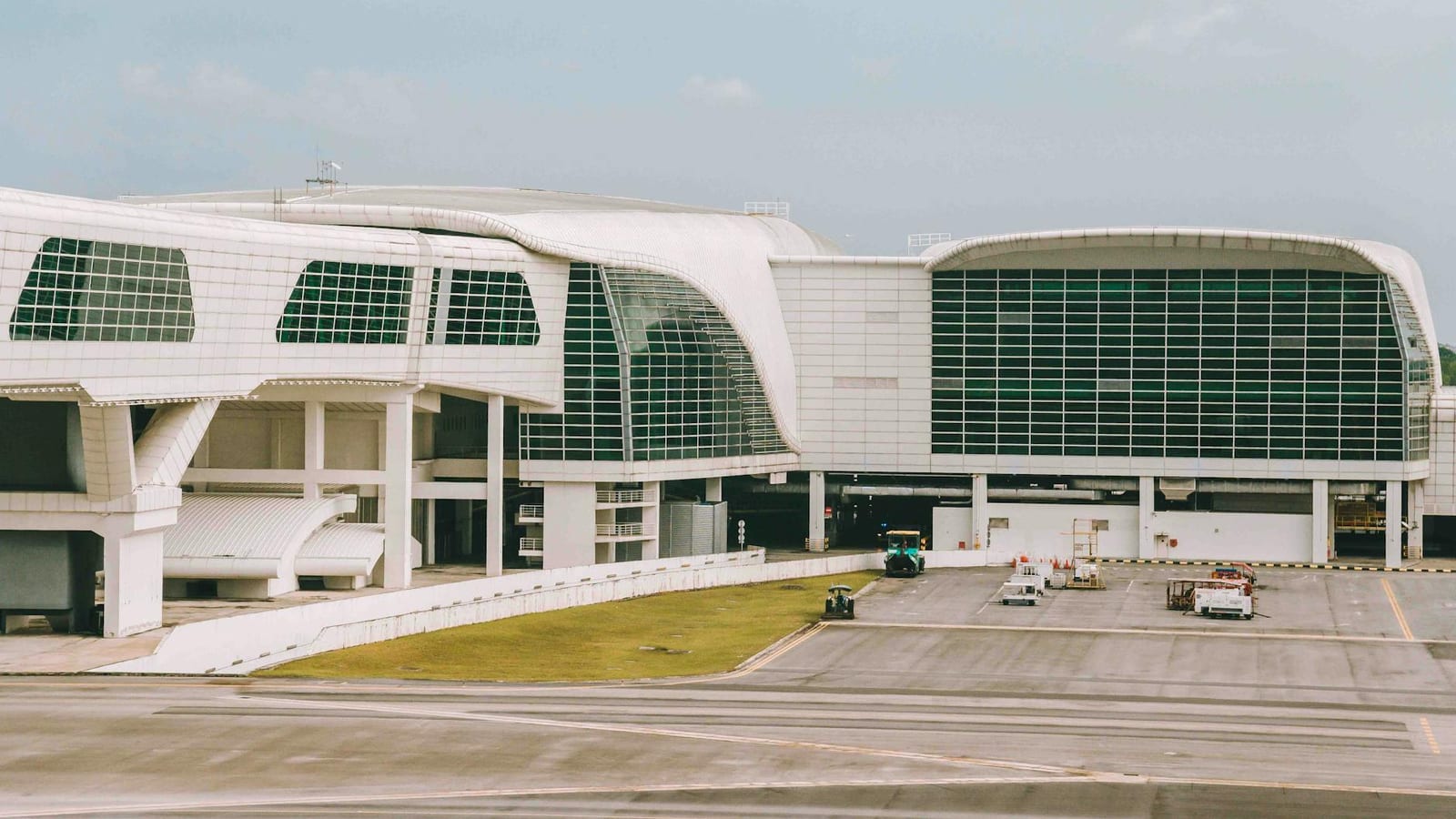
From June 1, flying out of Navi Mumbai airport will pinch a little harder.
The airport authority has proposed a user development fee of ₹742 for domestic passengers and ₹1,467 for international passengers. That fee sounds technical, but it is simple. It is an extra charge passengers pay to help fund airport facilities.
For a family of four, this is not small change. A domestic trip could mean nearly ₹3,000 more before food, bags, cabs, and hotel bills even enter the picture.
Why passengers will pay more
The user development fee is one of those charges most travellers notice only at checkout. It sits inside the final ticket price, along with taxes and other airport-linked charges.
The Navi Mumbai airport authority has proposed ₹742 for domestic travel and ₹1,467 for international travel from June 1, 2026. Airlines collect such charges from passengers and pass them on through the system.
For business travellers, the increase may look manageable. Companies usually absorb these costs. For students, families, migrant workers, and small traders, it can change travel plans.
A small exporter from Mumbai planning a quick overseas visit does not only see the airfare. He sees visa costs, hotel rates, local transport, and now a higher airport charge too.
The hidden cost of new airports
India needs new airports. Anyone who has stood in long queues at crowded terminals knows this well.
Better airports reduce congestion, improve connectivity, and help cities grow. They also create work for cab drivers, food vendors, loaders, security staff, and small suppliers.
But airport economics has a blunt side. Someone has to pay for the shiny terminals, roads, lounges, baggage systems, and safety equipment.
Part of that money comes from investors and lenders. Part comes from airlines. A slice finally lands on the passenger through charges like the user development fee.
This is where the public often feels trapped. People want better infrastructure, but they do not always see the bill early enough.
By the time a traveller reaches the payment page, the fare has changed shape. The base fare looks one way. The final amount tells another story.
What it means for airlines
Airlines will watch this closely, especially on price-sensitive routes.
India’s aviation market has grown because millions of people moved from trains to flights. Low fares made that shift possible. A few hundred rupees can still decide whether someone books a flight or waits.
The domestic fee of ₹742 may look small beside a ₹7,000 ticket. But on a discounted ₹2,500 ticket, it becomes a much bigger share.
Airlines often advertise headline fares to fill seats. Extra airport charges make those fares harder to sell, even when the airline itself has not raised the base price.
International passengers may feel the ₹1,467 fee more sharply on short-haul routes. Flights to nearby destinations already compete with tight budgets and seasonal demand.
For airlines, the problem is simple. Passengers blame the final price, not the fine print. The airport charge may not belong to the airline, but it still affects booking behaviour.
Mumbai’s infrastructure bill is rising
The airport fee sits inside a larger story playing out across the region.
Mumbai Metropolitan Region Development Authority projects, metro expansion, road works, and rail upgrades all promise easier movement. The Wadala to Gateway of India Metro 11 corridor is expected to move ahead with underground utility surveys.
The bullet train project is also moving faster in Mumbai. Work on underground sections is expected around Vikhroli and Sawli by the end of June.
These projects matter because Mumbai runs on movement. Office workers, traders, tourists, factory suppliers, and service staff all depend on transport that does not collapse under pressure.
But every new link has a cost. Sometimes the government pays. Sometimes commuters pay. Often, both do.
This is the difficult bargain of urban growth. A city cannot stay competitive with old infrastructure. Yet ordinary users cannot keep paying more without asking what they get back.
Who feels the fare pressure
The sharpest impact will fall on people who fly because they must, not because they want to.
A worker returning home for a family emergency cannot always wait for cheaper dates. Parents sending a child abroad cannot avoid airport charges. A small business owner flying with samples cannot simply cancel a client meeting.
For the wealthy traveller, the new fee may pass unnoticed. For middle-class families, it joins a growing list of travel costs that already feel stretched.
That matters because airports are no longer elite spaces in India. They serve first-time flyers, nurses taking job postings, students leaving for courses, and small entrepreneurs chasing orders.
When charges rise, the airport becomes a little less public in spirit, even if it remains open to everyone.
The airport authority will likely argue that better facilities need funding. That is fair. But passengers will judge the fee by the experience they receive.
If queues are shorter, baggage moves faster, roads connect smoothly, and flights run better, people may accept the charge. If not, it will feel like one more line item in an already expensive journey.
From June 1, the real test for Navi Mumbai airport will not be only its terminals or runways. It will be whether ordinary travellers feel they are paying for convenience, or merely paying more.