Navi Mumbai Has 85 Days of Water Left, Commissioner Warns
Navi Mumbai's commissioner found 85 days of water left at Morbe Dam and has urged residents to conserve immediately ahead of the June monsoon.
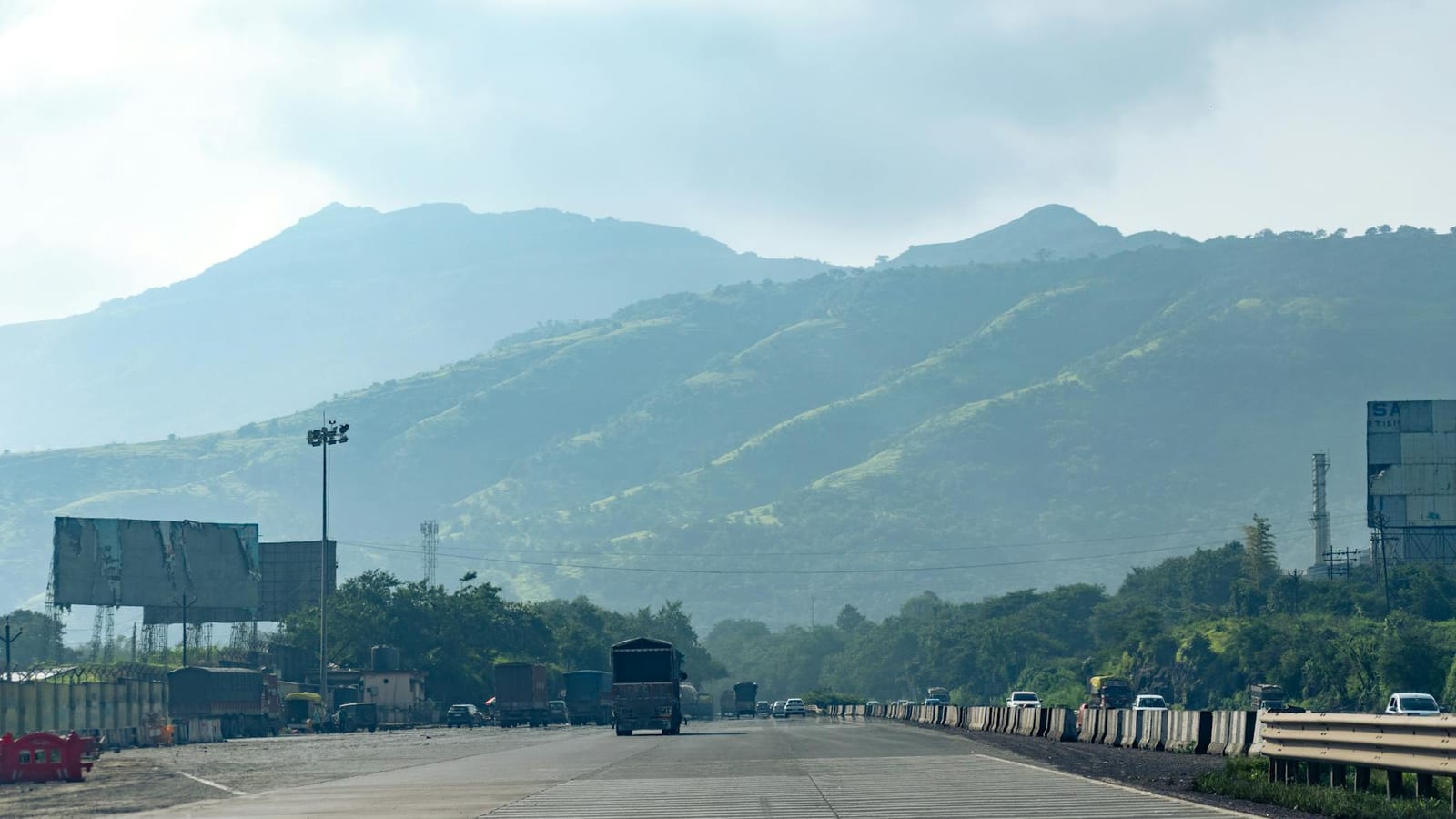
There are 85 days of water left in Morbe Dam.
That number, confirmed by Navi Mumbai’s Municipal Commissioner Dr. Kailas Shinde after a personal visit to the dam site on Saturday, puts a hard clock on a city that rarely pauses to think about where its taps draw from. Shinde did not send a team or rely on a briefing note. He drove out himself, walked the project area, and assessed the shortfall directly. His instruction on returning was straightforward: start using water carefully, right now, before the situation forces rationing.
Morbe Dam is the backbone of Navi Mumbai’s water supply, serving the city’s residents, its industrial zones, and the Vashi Agricultural Produce Market Committee, one of Asia’s largest wholesale markets for fruit and vegetables. When Morbe runs low, the ripples extend well beyond the reservoir.
Eighty-five days from May 9 is the first week of August. Under a normal monsoon, that buffer should hold. The southwest monsoon typically hits the Maharashtra coast by mid-June, and Morbe’s catchment area in the Raigad hills should begin receiving serious rainfall from late June onwards. A healthy monsoon would start refilling the dam well before the dry season cuts too deep.
But this year, weather agencies are not forecasting a normal monsoon. There is a credible possibility of below-average rainfall along parts of the Maharashtra coast, based on current ocean temperature patterns and atmospheric conditions. That is what pushed Shinde to visit personally. A weak monsoon arriving even two weeks late could mean Morbe begins filling only in early July instead of mid-June, cutting the replenishment window in a way the current 85-day buffer was not designed to absorb.
The arithmetic is uncomfortable. If June and July together bring 20 to 25 percent less rainfall than the seasonal average, the dam may reach only 65 to 70 percent of its usual post-monsoon level by September. The dry season from October 2026 to May 2027 would then start from a depleted base. One bad year alone does not create a crisis. But the cushion disappears faster than most residents and businesses appreciate until it is gone.
Navi Mumbai was built to be better planned than old Mumbai. The City and Industrial Development Corporation of Maharashtra, Cidco, designed the city with explicit attention to water infrastructure, partly as a contrast to Greater Mumbai’s chronic supply problems. For years, Navi Mumbai’s residents enjoyed more reliable water than their counterparts across the creek. But the city has grown well beyond its original population projections, and Morbe, sized for that earlier estimate, now serves a significantly larger load.
The industrial corridor along the Thane-Belapur belt, which runs through the heart of Navi Mumbai, is among the city’s heaviest water users. Manufacturing units, pharmaceutical plants, chemical processing facilities, and logistics warehouses in this stretch consume large volumes daily. Industrial operations plan months ahead. A mid-cycle restriction, or even the credible threat of one, pushes these units toward either costly tanker water or scaled-back output. Neither option is absorbed without a price impact, and that price eventually moves along the supply chain.
The Vashi APMC adds another layer. This is not just a market. It is a daily hub for the agricultural supply chain across western India, where thousands of traders, commission agents, and cold-chain operators handle perishable produce under tight margins. Fruit and vegetable handling demands constant water for cleaning, cold storage humidity control, and basic sanitation. The APMC has already drawn attention this week for poor hygiene, with Shinde himself expressing sharp frustration during an inspection over garbage heaps and clogged drains. Any water cutback layered onto those existing problems makes the market harder and more expensive to operate safely.
At the consumer end, the market is already showing how agricultural supply and weather interact unevenly across the region. Jamun, the purple summer fruit, has seen prices fall from ₹300 to ₹500 per kilogram down to ₹250 to ₹350, because fresh supplies have surged in from Konkan and Goa. The coastal belt is having a decent season. That Morbe’s inland catchment is under stress while coastal areas have surplus supply points to the patchy nature of this year’s pre-monsoon pattern. Relief is visible elsewhere without reaching where it is needed.
For Navi Mumbai’s residents, conservation appeals carry a familiar mix of civic obligation and practical anxiety. The city has gone through rationing before, in dry years when supply schedules were cut from eight hours a day to four or two. Residents on higher floors of housing societies feel those cuts most sharply, as municipal pressure drops and overhead tanks run dry faster. Families managing elderly parents, young children, or members with health conditions find the disruptions hardest to plan around.
Starting the conservation call in early May, before any shortage has visibly arrived, is the right approach. Past water emergencies across Maharashtra have seen civic bodies wait until a crisis is already on the street before asking people to cut back. That delay compresses the response, creates anxiety, and produces poorly coordinated rationing. An early warning gives residents, housing societies, and industries time to check for leaks, increase storage capacity, and adjust habits before any formal restrictions land. The cost of acting now is low. The cost of not acting and scrambling in late June is far higher.
What happens next depends on three things: when the monsoon arrives, how much it rains over the Raigad catchment in the critical June-to-July window, and how seriously Navi Mumbai’s residents and businesses respond to the conservation message before the first real clouds break. The timing and intensity of the monsoon are beyond any civic body’s control. The demand side is not.
That is what the Commissioner’s Saturday visit to the dam was quietly saying: the clock is running, and the choices made in the next few weeks will determine how hard the months after August become.