Nanded Farmers Daughter Clears Class 10 With 35 In Every Paper
Shruti Patil from Nanded passed Maharashtra Class 10 by scoring exactly 35 in all six subjects, while helping her farmer parents in the fields.
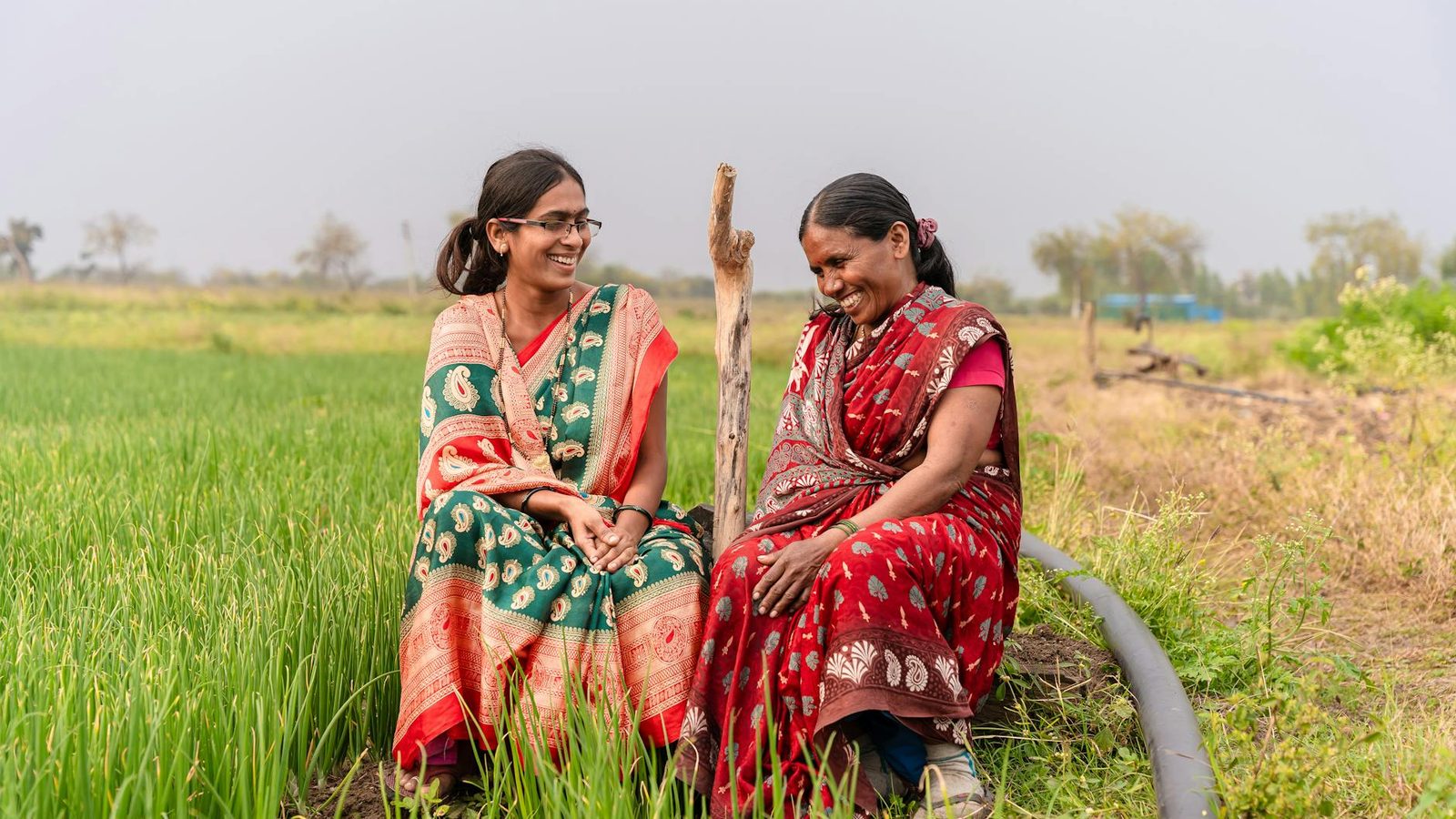
In most result seasons, India worships the 95 percent child. This time, a farmer’s daughter from Nanded has made people pause at 35 percent.
Shruti Patil, a Class 10 student from Nandanvan village, passed every subject with exactly 35 marks out of 100. Not 36 in one, 34 in another. Thirty-five in all six papers.
That number is the pass mark. For many families, it may look like the edge. For Shruti, it was the line between stopping and moving ahead.
Nanded result finds its own hero
The Maharashtra State Board announced the Class 10 results, and toppers naturally grabbed attention across the state. But in Nanded, Shruti’s result became the real talking point.
She studies at Shivaji High School in Barul and lives in Nandanvan, in Kandhar taluka. Her father, Digambar Patil, works as a farmer.
After school, Shruti helped her parents in the fields. That detail matters. It tells you the marksheet has a story behind it.
She scored 35 in Marathi, English, Mathematics, Hindi, Science and Social Science. In plain terms, she cleared every paper by the thinnest possible margin.
Yet that thin margin carries weight. For a student balancing school and farm work, passing Class 10 is not a small thing. It is a door staying open.
What 35 percent really means
Middle-class India often treats board results like a race. Coaching classes, test series, private tuition and endless comparisons shape the season.
But rural India plays a different game. Many students study with fewer resources, uneven access to guidance, and real household duties after school.
That does not make low marks a badge of academic success. It does make the result more human.
Shruti’s result reminds us that marks measure performance in an exam. They do not fully measure effort, pressure, family income or daily responsibilities.
For a farming family, every working hand counts. A child helping in the field is not doing an extracurricular activity. She is supporting the household.
That is why this result has struck a chord. It sits outside the usual script of rank holders and merit lists.
It also raises a harder question. How many students sit on the edge of the system each year, unnoticed unless their result becomes unusual?
Girls continue to lead
The district figures show a wider trend. In Nanded, 48,069 students registered for the Class 10 board examination.
Of these, 47,333 students appeared. A total of 39,580 students passed, taking the district result to 83.62 percent.
Girls did better than boys once again. The district recorded 20,162 successful girls and 19,419 successful boys.
The pass percentage among girls stood at 88.76 percent. Among boys, it was 78.87 percent.
That gap is not new, but it deserves attention. Across many parts of India, girls often outperform boys in school examinations.
Yet the labour market does not reward them in the same proportion. Many girls do well in school, then face limits in college access, travel, safety and family finances.
That is where the business angle begins. Education is not just a family milestone. It feeds the future workforce.
Every girl who stays in education adds to India’s productive capacity. Every girl who drops out narrows it.
The rural education bargain
Class 10 remains a big checkpoint in India. It decides streams, college admissions, vocational choices and sometimes marriage conversations.
For urban families, it may be one stage in a long academic plan. For rural families, it can decide whether a child continues at all.
A pass certificate can help a student enter junior college, skill training, or basic formal jobs later. Without it, options shrink quickly.
That is why Shruti’s 35 percent result should not be read only as a curiosity. It points to the narrow bridge many students cross.
The education system often rewards those who already have support. Good schools, stable electricity, quiet study time and paid coaching all matter.
Students from farming homes may not have those comforts. Seasonal work, family duties and money worries cut into study time.
This is not an argument for lowering standards. It is an argument for seeing the full picture.
If policymakers want better results, they must look beyond exam day. They must ask what happens before a child reaches the classroom.
A marksheet beyond marks
There is another lesson here for parents and schools. Celebrating toppers is easy. Supporting borderline students takes more patience.
A student scoring 35 in every subject is not a marketing poster for academic excellence. But she is proof that persistence can keep a child in the system.
That matters in a country where many young people still leave education too early. The real loss happens quietly, one student at a time.
Shruti’s story also shows why rural schools need stronger academic support. A child who passes at the margin may need help in the next class.
Without that support, the same struggle may return. With the right push, the pass mark can become a starting point.
For ordinary readers, that is the real takeaway. Not every success arrives with medals, garlands or 99 percent. Some come as a plain marksheet, carried home from school, telling a family that one more chance has been earned.