Nanded farmer's daughter clears Class 10 with 35 in each paper
Shruti Digambar Patil from rural Nanded passed Maharashtra Class 10 by scoring exactly 35 marks in every subject, matching the board's minimum.
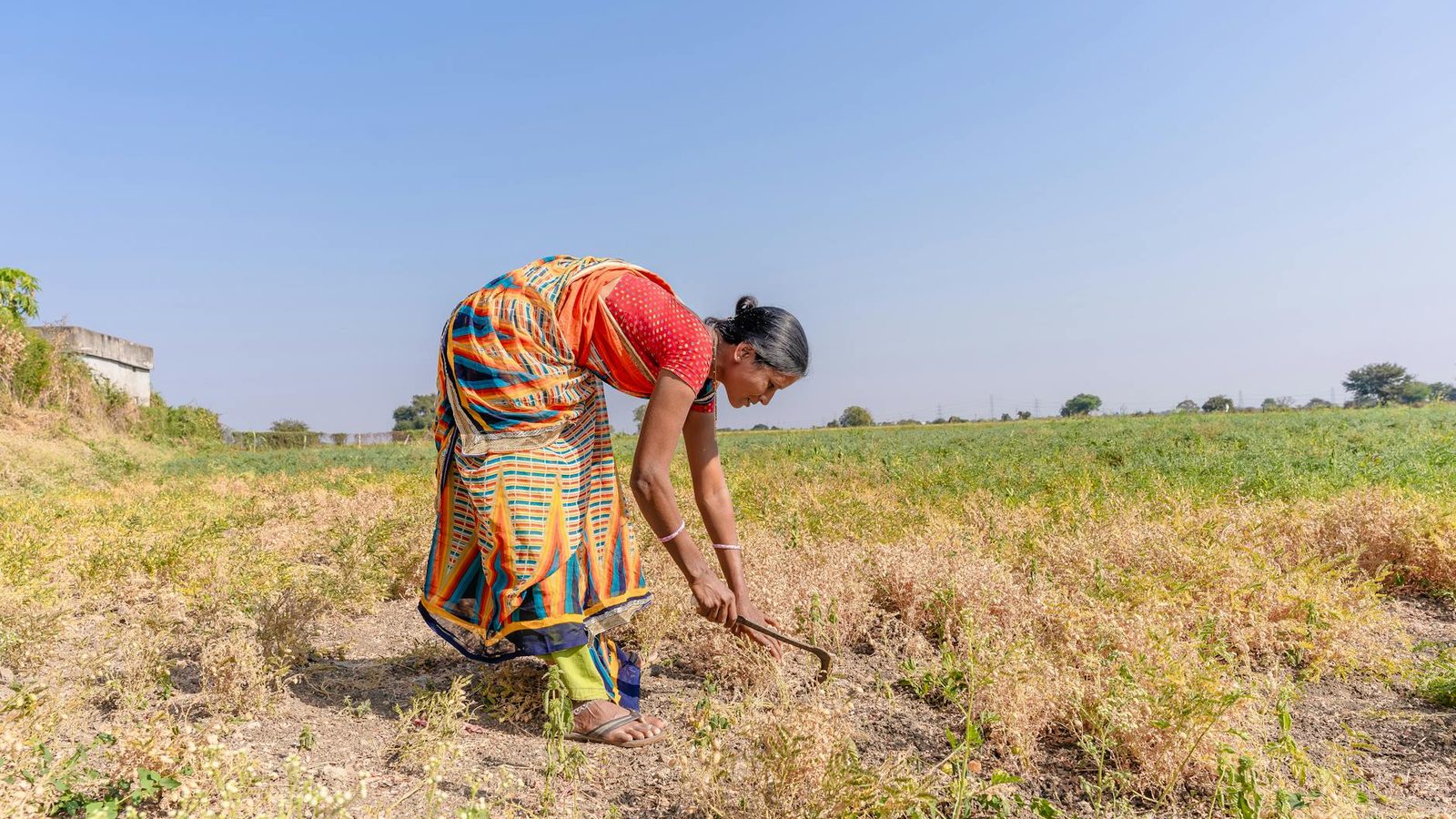
When most families scan marksheets for 90s and 95s, one home in rural Nanded found joy at 35.
Shruti Digambar Patil Bhanangare, a Class 10 student from Nandanvan village, passed the Maharashtra board exam by scoring exactly 35 marks in every subject. Not 34 in one, not 36 in another. Marathi, English, Hindi, maths, science and social science, each paper showed the same number.
That number matters because 35 is the passing line. For many city students, it may look thin. For a farmer’s daughter who studies after helping in the fields, it tells a different story.
Nanded celebrates a different result
The Maharashtra State Board declared the Class 10 results, and the usual celebration began. Schools shared names of toppers. Families posted photos. Coaching classes counted their high scorers.
But in Nanded, Shruti’s marksheet became the talking point for another reason. She did not top the exam. She crossed the line, paper by paper, with the exact minimum marks needed.
Shruti lives in Nandanvan, a village in Kandhar taluka. Her father, Digambar Patil, is a farmer. She studies at Shivaji High School in Barul.
After school, Shruti helps her parents with farm work. That detail should not be treated as background colour. In rural India, it often decides how much time a child gets with books.
For such students, board exams do not happen in a quiet room with perfect lighting and private tuition. They happen around seasons, household work, travel, chores and family income.
What 35 marks really mean
A Class 10 result is often treated like a public ranking of children. We turn marks into identity far too quickly. A 95 becomes “brilliant”. A 35 becomes “weak”.
That is a lazy reading.
Shruti scored 35 out of 100 in all six subjects. It means she cleared the exam in Marathi, English, Hindi, mathematics, science and social science. It also means she survived the pressure of a board exam while living a life very different from many urban students.
There is a strange honesty in such a marksheet. It does not allow anyone to pretend that the system is equal. It reminds us that effort is not always visible in percentages.
For a child from a farming family, the first victory may be staying in school. The second may be sitting for the exam. Passing it can become the third, and perhaps the most emotional one.
This does not mean marks do not matter. They do. They shape admission choices, confidence, scholarships and family expectations. But marks alone rarely tell the whole story.
Girls continue to outpace boys
Nanded district’s wider result also carries an important message. The district recorded an 83.62 percent pass rate in the Class 10 exam.
The board data showed that 48,069 students had registered from the district. Of them, 47,333 students appeared for the exam. A total of 39,580 students passed.
Girls once again performed better than boys. The pass percentage for girls stood at 88.76 percent. For boys, it was 78.87 percent.
In plain terms, nearly nine out of ten girls who appeared passed the exam. Among boys, the figure was closer to eight out of ten.
That gap deserves attention. Across many parts of Maharashtra, families have pushed harder to keep girls in school. Government schemes, better road links, local schools and changing social attitudes have helped.
Still, every girl who clears Class 10 from a rural background carries more than her own marksheet. She carries the hopes of parents who may not have had the same chance.
Shruti’s case sits inside this larger story. She may not be among the district’s high scorers, but she is part of a generation of girls staying connected to education despite daily pressures.
Rural students face a tougher climb
The Class 10 board exam has become a gateway in India. It decides streams, junior college options and sometimes whether a child continues studying at all.
For rural students, that gate often stands at the end of a harder road. They may travel longer distances to school. They may lack regular coaching. They may share study space with siblings. Some also help at home or on farms.
In farming families, children learn early that work does not wait. If there is sowing, harvesting, animal care or a household emergency, study time shrinks.
That is why a bare pass can carry emotional weight. It can keep a student inside the education system for at least one more stage.
Shruti’s result also challenges how we talk about success. India loves rankers, and rightly celebrates hard work. But we rarely understand the quiet labour behind students who just manage to pass.
A topper may fight pressure. A borderline student may fight pressure, fear, limited resources and the belief that failure is already waiting.
Both stories deserve space.
The marksheet beyond the marks
There is another lesson here for schools and parents. Students who pass narrowly need support, not labels. A 35 percent result should start a serious conversation, but not a shame cycle.
What does the student need next? Better basics in maths? More reading practice? Guidance for vocational courses? A patient teacher? A family plan that protects study time?
These questions matter more than mockery.
For Shruti, the next step will decide the real value of this result. Class 10 is not the end. It is the first official bridge into higher education, skills training or work-linked learning.
Students like her need clear choices. They need counselling that explains arts, commerce, science, ITI courses, diploma routes and local job-linked options in simple language.
Too often, rural families get this information late. By then, admission deadlines pass or children take whatever option is nearby.
Shruti’s story has travelled because her marks are unusual. But its deeper meaning is familiar across India. Many children are not asking for applause. They are asking for a fair shot.
A 35 on a marksheet may look like the thinnest possible margin. In a village home, it can still open a door. The real test now is whether the system helps such students walk through it, instead of only clapping for those already far ahead.