Maharashtra Temple Feast Feeds 15,000 In Adhik Maas
Agadgaon's Kalbhairavnath temple honoured 500 sons-in-law and served over 15,000 devotees, turning an Adhik Maas custom into a major village event.
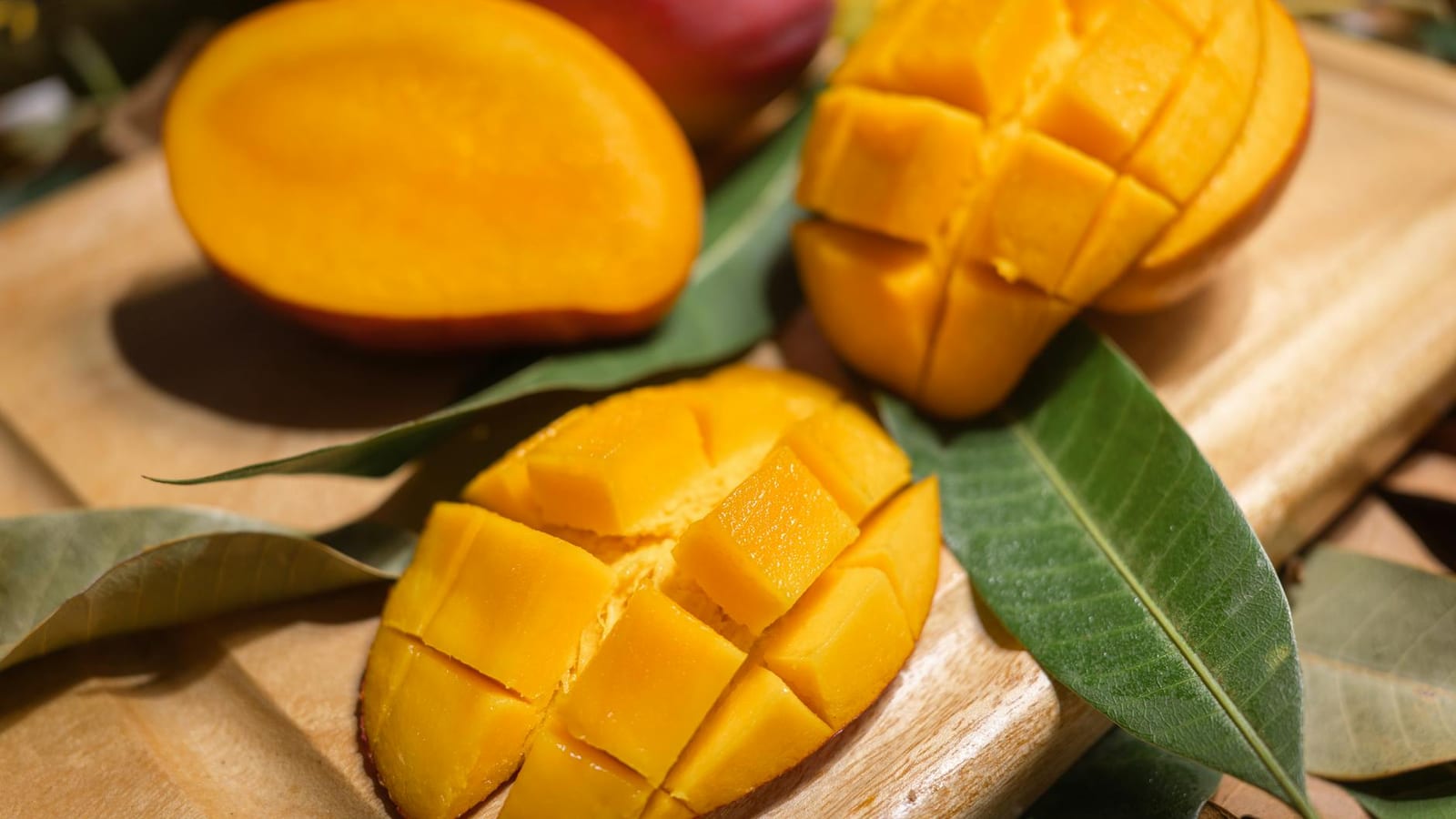
When 3,500 kg of Kesar mangoes enter a village kitchen, it is no longer just lunch.
It becomes logistics, faith, family politics, and local commerce, all stirred into one massive pot of aamras. That is what Agadgaon saw as the local Kalbhairavnath temple organised a large “dhondyache jevan” during Adhik Maas.
The scale was hard to miss. Organisers said 500 sons-in-law were honoured, while food was prepared for more than 15,000 devotees. For a small rural economy, that is a serious one-day demand shock.
A feast built around tradition
Adhik Maas carries a special place in many Maharashtrian homes. Families honour sons-in-law, welcome daughters back, offer gifts, and prepare festive food.
At Shri Kshetra Kalbhairavnath in Ahilyanagar, the temple trust turned that household custom into a public event. Sons-in-law were welcomed in traditional style, taken in a procession, and offered food and gifts.
The organisers said each son-in-law received five sets of clothes. Daughters were honoured with Paithani sarees. The package also included a copper puja plate and festive items.
The contribution for this package was ₹3,500, paid by the father-in-law, organisers said. That small detail tells you how family custom and community spending meet in rural Maharashtra.
Mangoes, milk and serious planning
The centrepiece was the aamras. Organisers said they bought 3,500 kg of Kesar mango and used 1,000 litres of milk.
The result, they said, was nearly 7,000 litres of aamras prepared in 15 large vessels. Anyone who has cooked for even 20 guests knows what that means.
This was not a casual village meal. It needed procurement, storage, workers, fuel, utensils, serving lines, and crowd control.
The puran side was no less impressive. Organisers said they bought 1,000 kg of chana dal to prepare puran for puran poli and dhonda.
A dhonda is made with wheat flour and sweet puran filling, then fried. In many homes, it is tied closely to Adhik Maas customs.
Organisers said nearly 10,000 dhondas were expected from the preparation. Each son-in-law was to receive one as part of the honour.
The village economy gets moving
Events like this rarely stay inside temple walls. They spill into the market.
Mango traders, milk suppliers, dal sellers, cloth merchants, saree vendors, cooks, transporters, decorators, and local workers all gain from such a gathering.
For a farmer or trader, one big religious order can clear stock quickly. For a small vendor, festival demand can bring a week’s worth of earnings in one day.
That is why rural religious events matter beyond sentiment. They act like seasonal marketplaces, especially when the scale crosses thousands of people.
The numbers here point to a sizeable local spend. Even before food costs, the ₹3,500 package for 500 sons-in-law suggests ₹17.5 lakh in family-linked contributions.
That does not include mangoes, milk, dal, cooking labour, fuel, transport, sound systems, or temple arrangements. The final spending would likely be higher.
For big companies, this is too small to notice. For local businesses, it is meaningful cash flow.
Faith, status and family ties
There is another layer here, and it is very Indian. A son-in-law’s honour is never only about the son-in-law.
It reflects the daughter’s place in her marital home. It reflects the father-in-law’s standing. It reflects how families show affection, duty, and status in public.
That is why such customs survive even when household budgets feel tight. People may cut elsewhere, but family honour remains sensitive.
Still, these events also raise a quiet question. When community customs become bigger each year, who feels pressure to keep up?
A ₹3,500 package may look manageable to some families. For others, it can pinch. In rural and semi-urban India, social spending often runs ahead of income.
Weddings show this pattern clearly. Religious meals, naming ceremonies, and festival gifting can follow the same path.
The Agadgaon organisers said a similar event was held three years ago and received strong public response. This year, too, the turnout showed the custom has deep support.
But the business angle sits beside the emotional one. Tradition creates demand. Demand creates income. Income then encourages larger celebrations.
Why this matters beyond one meal
On the surface, this is a story about aamras, puran poli, and a grand meal for sons-in-law.
Look closer, and it shows how India’s local economy really works. It does not run only on malls, apps, IPOs, and quarterly results.
It also runs on temple calendars, family customs, crop seasons, and community pride. These are not side stories. They shape spending in thousands of towns and villages.
For suppliers, such events offer predictable bursts of demand. For families, they offer belonging. For temples, they build influence and trust.
The best part is the shared meal. Thousands of devotees eating together can soften daily divisions, at least for a few hours.
The tougher part is the pressure to spend more each time. That pressure often hides behind the language of honour and tradition.
Agadgaon’s feast shows both sides clearly. It is generous, impressive, and deeply rooted. It is also a reminder that culture has a balance sheet.
For ordinary readers, that is the real takeaway. In India, faith and family still move money in powerful ways. The next big business story may not begin in a boardroom. It may begin in a village kitchen, with mango pulp, boiling milk, and a queue of hungry people.