Maharashtra To Take Pune Agri Hackathon Statewide
Maharashtra will scale Pune's agri hackathon statewide from next year, aiming to use startups and young tech talent to solve farm problems.
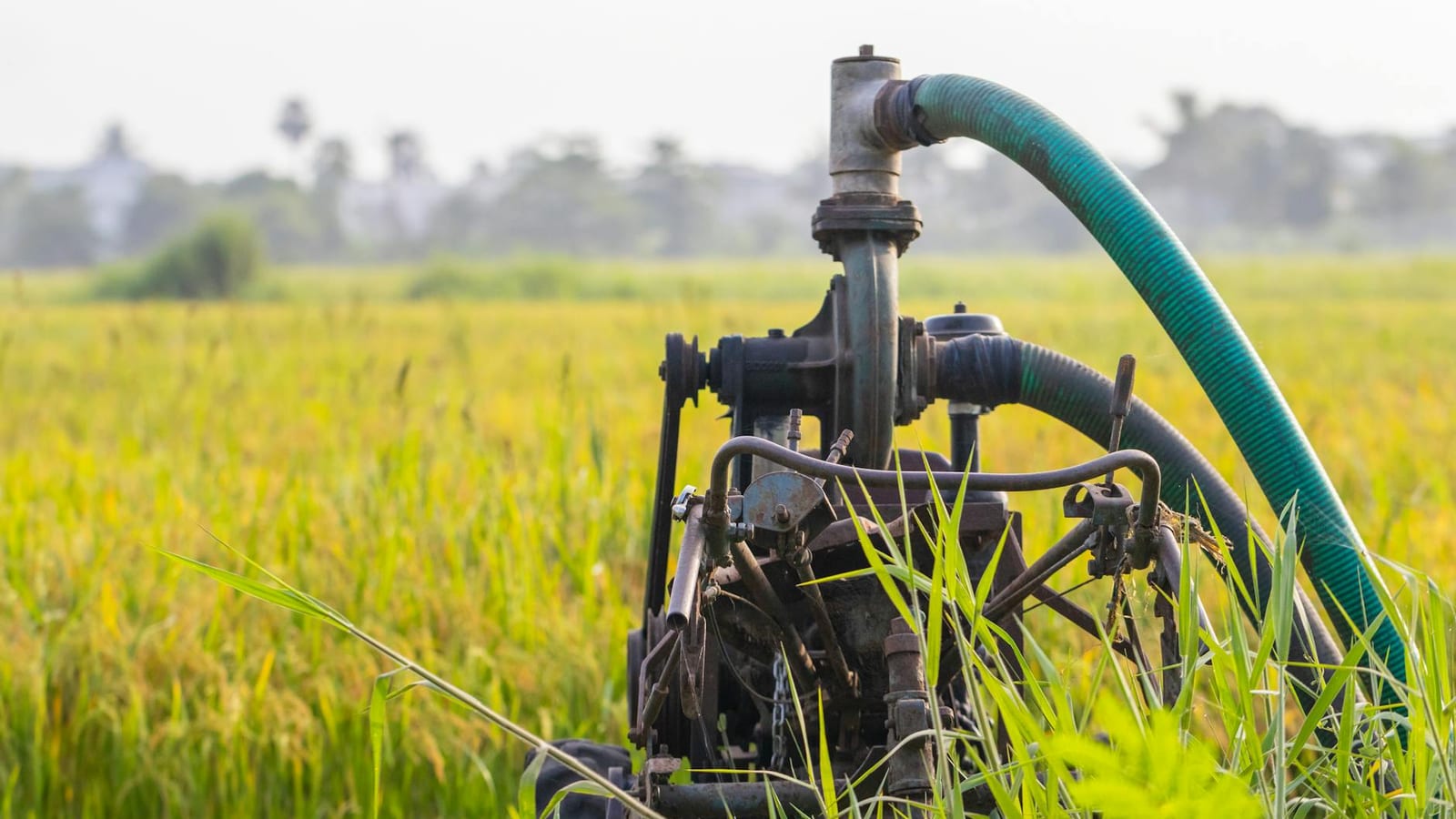
A farmer does not need another glossy promise. He needs a cheaper pump, better crop advice, faster market access, and fewer shocks between sowing and sale.
That is why Pune’s agri hackathon matters beyond one event hall. Chief Minister Devendra Fadnavis said the state will take the idea across Maharashtra from next year.
The plan is simple on paper. Use technology and young talent to solve farm problems. The hard part is making sure those ideas reach actual farms.
Pune model goes statewide
Fadnavis made the announcement after the closing ceremony of the Pune Agri Hackathon. He said Maharashtra will hold a state-level Maharashtra Agri Hackathon on the same lines from next year.
For a state where agriculture still supports millions of families, that is not a small signal. Maharashtra has rich sugar belts, drought-prone regions, horticulture clusters, cotton farmers, and small vegetable growers near cities.
Each group faces a different problem. A single app or drone demo cannot fix all of it.
That is where a hackathon can help, if done well. It brings students, engineers, researchers, startups, officials, and domain experts into one room. The goal is not speeches. The goal is working solutions.
Fadnavis also announced that the first award will be named after Ajit Pawar. The political symbolism will draw attention, of course. But farmers will judge the project by something simpler: does it save money, reduce risk, or raise income?
Why farm tech needs patience
Agriculture technology often looks easy from a city office. Build a platform, add weather data, connect buyers, and say it will help farmers. On the ground, life is messier.
A farmer may have patchy internet. His son may use a smartphone, but his father may still trust the local trader. A crop disease warning matters only if it arrives early enough. A market-price alert helps only if transport is available.
That is why hackathons must avoid becoming showpieces. A clever prototype is only the first step. It must pass the village test.
Can a farmer use it in Marathi? Can it work on a basic phone? Can it survive poor network? Does it need paid data? Who repairs it when it fails?
These questions sound boring. They decide whether innovation stays on a stage or enters a field.
Maharashtra has enough farm problems waiting for serious attention. Water use, soil health, crop insurance, pest control, storage, cold chains, and market access all need better tools.
For a small grape grower near Nashik, cold storage can matter more than a dashboard. For a cotton farmer in Vidarbha, pest warnings can decide a season. For a vegetable seller near Pune, daily price discovery can change bargaining power.
Startups get a state signal
For agri-tech startups, the state-level event can act like a door opening. Many young companies struggle after the pilot stage. They can build a product, win applause, and still fail to find paying users.
Government backing can change that, but only if it comes with clear follow-through. Startups need access to data, test farms, farmer groups, and procurement pathways.
A hackathon can identify promising ideas. The real value begins after the prizes. The state must decide which ideas deserve field trials, which departments will support them, and how results will be measured.
This matters for investors too. Agri-tech often moves slower than consumer tech. Farmers are cautious buyers, and rightly so. One bad decision can hit a season’s income.
A state-level platform gives startups more visibility. It also puts pressure on them to build for real conditions. Fancy dashboards will not impress farmers for long.
The strongest ideas may be the least glamorous. A low-cost soil testing tool. A simple crop disease alert. A better way to link farmers with local buyers. A payment system that protects small sellers from delays.
These may not sound flashy. But they can put more money into rural pockets.
Farmers need proof, not slogans
The state government will need to keep the scheme practical. Maharashtra has seen many rural programmes launch with energy and then fade into files.
The danger is familiar. A competition gets held, photos get taken, winners are announced, and farmers see little change.
That would waste the opportunity. If the Maharashtra Agri Hackathon becomes a yearly ritual, it must build a pipeline. Identify problems, invite solutions, test them, fund the best ones, and track impact.
Officials should also involve farmers early. Too many products fail because creators meet users too late. A farmer can spot a weak idea faster than a presentation jury.
The government should ask plain questions. How many farmers used the tool? Did input costs fall? Did crop loss reduce? Did sale prices improve? Did women farmers and tenant farmers benefit too?
Those details matter because agriculture is not one market. It is many Indias living together. Large farmers, smallholders, landless workers, transporters, mandi agents, food processors, and retailers all sit in the same chain.
If farm technology helps only the biggest players, it will widen the gap. If it reaches small farmers, it can quietly change rural business.
There is also a wider business story here. Better farm systems help food companies, exporters, logistics firms, and kirana stores. Stable supply means fewer sudden price shocks for consumers.
For city families, this can show up in ordinary ways. Onion prices move less wildly. Milk supply stays steady. Vegetables do not become unaffordable after one bad spell of weather.
The promise of a state-level agri hackathon is not that software will rescue farming overnight. It will not. Farming depends on rain, markets, credit, labour, and policy.
But the right tools can reduce uncertainty. They can help farmers make earlier decisions and avoid costly mistakes.
That is the point worth watching. If Maharashtra treats this as a serious farm-business platform, not just an event, it can create useful bridges between labs and villages. For ordinary farmers and consumers, that bridge is where the real story begins.