Maharashtra Slashes Virar-Alibag Land Rates, Panvel Farmers Erupt
Maharashtra slashed Virar-Alibag land compensation by ₹2.20 lakh per guntha, leaving angry Panvel farmers with crore-level shortfalls in expected payouts.
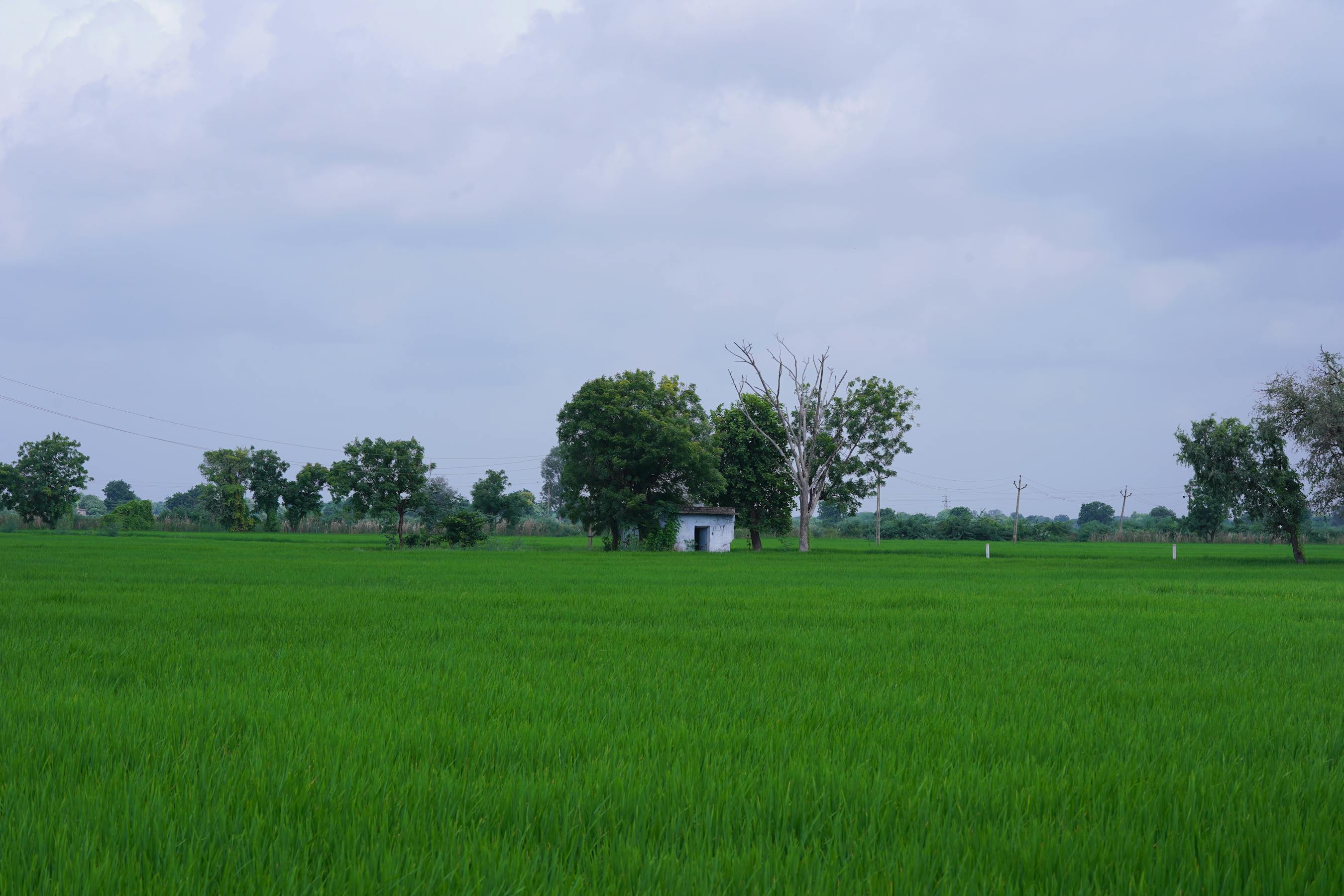
For farmers in Morbe village near Panvel, the math has suddenly stopped working.
The state government has slashed the land acquisition compensation rate for the Virar-Alibag Multi-Modal Corridor by ₹2.20 lakh per guntha. One guntha is roughly 1,089 square feet. Across the paddy fields and orchards they had been counting on selling at an agreed rate, the new figure lands like a hammer blow.
Farmers in Panvel taluka are furious. For a family holding five to ten acres, a cut of this size translates into a loss of several crores in expected compensation. They say they were promised one number, and are being handed another. The anger has spilled onto the streets.
The Virar-Alibag corridor is one of Maharashtra’s most significant connectivity projects. It is designed to run through Navi Mumbai and link the northern suburbs around Virar in Thane district to Alibag in Raigad. Done well, the corridor could ease the brutal pressure on Mumbai’s roads and open up the hinterland for logistics and investment. For developers and businesses eying land along its route, it holds enormous promise.
But for the farmers whose fields must be acquired to make that map real, the corridor is not an opportunity. It is a taking. And when the compensation rate falls at the last step, the blow is doubled because it comes after months of negotiation and expectation.
Maharashtra’s record with land acquisition is long and complicated. The state has built impressive infrastructure over the decades, but the human cost has often been borne most heavily by small farmers and rural households. Urban commuters and property investors capture much of the benefit. The people who give up the land often do not.
The Morbe cuts fit that pattern precisely.
Across the same region, another deadline has quietly slipped past. The Mora-Mumbai Roll-on Roll-off ferry service, known as the Ro-Ro, was supposed to hit a significant milestone by the end of April. It did not. Again. The Ro-Ro concept is straightforward: trucks and cars drive onto ferries at Mora port, cross the water, and reach Mumbai without grinding through city traffic. For businesses moving freight between Raigad’s industrial zones and Mumbai’s ports, that kind of shortcut is not a luxury. It directly affects logistics costs, transit times, and the competitiveness of manufacturers and traders on both sides of the creek. Every month the project slips is a real cost, even if it never shows up on a balance sheet.
Kharghar, meanwhile, is thirsty. One of Navi Mumbai’s fastest-growing residential sectors is running 10 million litres per day (MLD) short of what its residents need. In a densely packed suburban area, a 10 MLD gap means taps running dry by afternoon, rationing, and families paying steep prices to water tankers just to fill their overhead tanks. The irony is that Kharghar grew precisely because it was planned, serviced, and marketed as a model suburb. Its roads are wide, its sector layout is orderly, and its apartments are full. The water supply has not kept pace with any of it.
And then there is what is coming with the monsoon.
Navi Mumbai’s retention ponds, the storage infrastructure built to absorb heavy rainfall and prevent residential flooding, have not been desilted this year. Silt builds up over years and chews away at usable storage capacity. Civic authorities estimate that capacity at key retention points has fallen by as much as 80 per cent. That number is hard to overstate. An 80 per cent reduction does not leave a margin for error. In a heavy monsoon, it leaves neighbourhoods under water.
For small shopkeepers, ground-floor offices, auto repair workshops, and street vendors whose livelihoods sit at street level, a serious monsoon flood is not an inconvenience to complain about on social media. It destroys stock, wrecks equipment, and wipes out weeks of income. The people who can least afford that kind of loss are usually the ones least able to move to higher ground.
There are signs of forward movement, even if small. CIDCO and the Panvel Municipal Corporation moved jointly this week to clear encroachments near MGM Hospital in Kamothe. The bulldozers went to work on a site that was blocking the Kalamboli Junction improvement project, which is meant to cut the grinding traffic jams at one of Navi Mumbai’s busiest intersections. Getting two civic bodies to act together and actually show results is not trivial in Maharashtra’s bureaucratic landscape.
The DPS Flamingo Lake wetland expansion in Nerul is also reaching its final stage. The lake hosts flamingos and migratory birds and forms part of the green belt that distinguishes Navi Mumbai from most of Mumbai Metropolitan Region’s other urban zones.
But the headline from this clutch of news is the land acquisition row. It points to something that runs beneath a lot of Maharashtra’s infrastructure ambitions: the gap between the scale of the project and the dignity of its execution.
The Virar-Alibag corridor, the Ro-Ro service, the water supply gaps in Kharghar, the unsilted ponds waiting for the monsoon, the farmers in Morbe running the numbers again and coming up short. These are not unconnected. They are the same story, told from different corners of the same fast-growing region.
Large projects move slowly and benefit widely. The disruptions they create land narrowly, and fast. That asymmetry is what the farmers in Morbe are living. And unless compensation processes in land acquisition reform meaningfully, this is a dispute that will repeat itself wherever the next corridor is drawn.