Maharashtra feast turns ritual into rural market
Agadgaon’s Adhik Maas feast for 500 sons-in-law has created a large seasonal marketplace around mangoes, milk, clothing and ritual gifting.
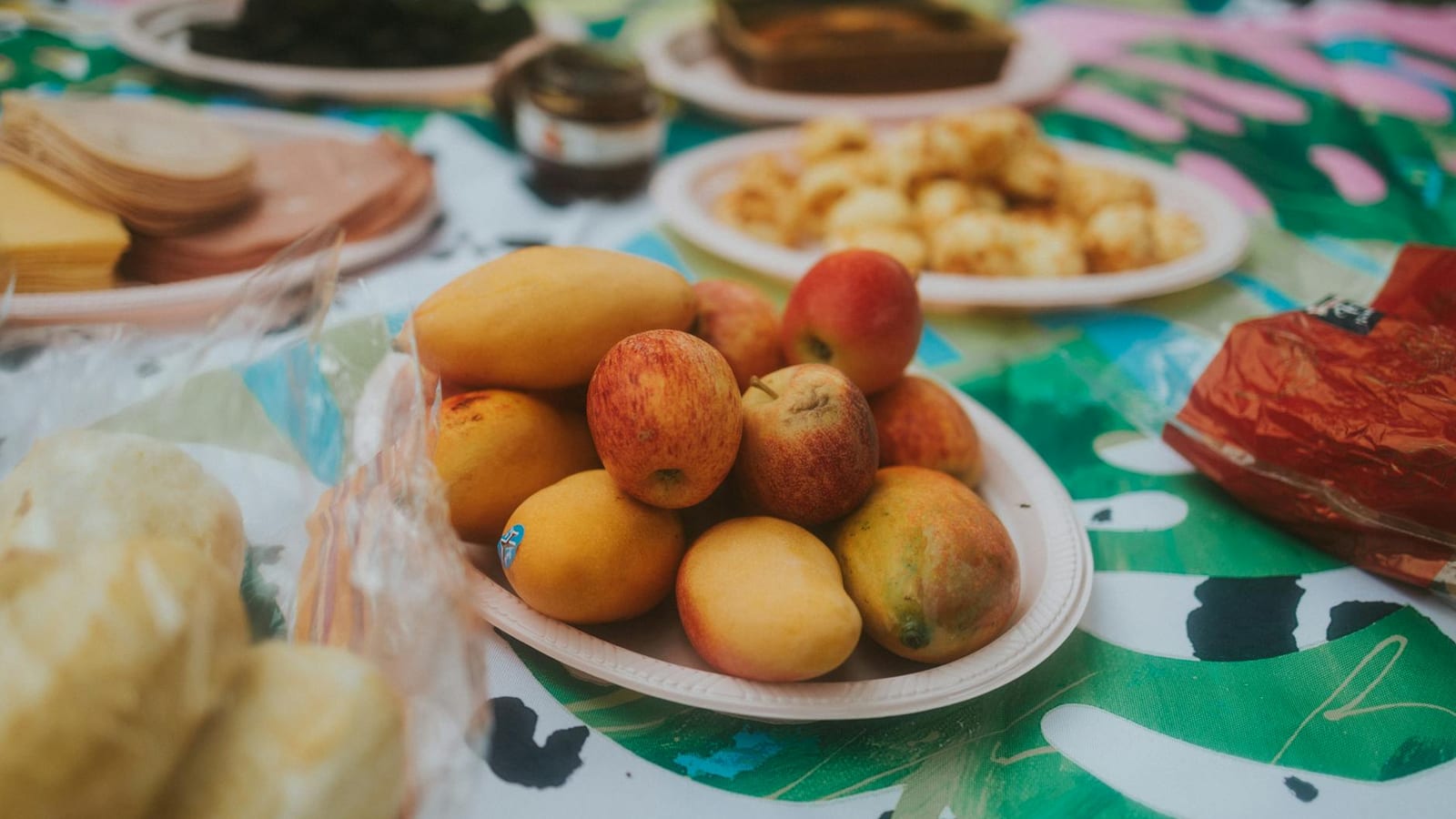
A village feast can tell you more about the rural economy than a balance sheet sometimes can. In Agadgaon, 3,500 kg of Kesar mangoes, 1,000 litres of milk, and one tonne of chana dal have become more than festive ingredients.
They have turned into a small seasonal marketplace, built around faith, family, food, and status.
At Shri Kshetra Kalbhairavnath Agadgaon in Ahilyanagar, organisers hosted a large “dhondyacha jevan” ceremony for around 500 sons-in-law. More than 15,000 devotees were expected for mahaprasad, making the event a serious logistical operation, not just a religious gathering.
Agadgaon turns tradition into scale
Adhik Maas carries a special place in many Maharashtrian homes. Families honour sons-in-law, welcome daughters, offer food, and exchange gifts.
Agadgaon took that household ritual and stretched it to village scale.
Organisers said every son-in-law received a traditional welcome. The daughters were honoured with Paithani sarees. The sons-in-law were given five sets of clothing, along with a puja plate made of copper.
The package also included items like a niranjan lamp, battasa, and anarasa. Each set cost around ₹3,500, which organisers said the fathers-in-law paid.
That one figure tells an important story. Faith may drive the event, but spending gives it shape. A ritual becomes purchases for cloth merchants, sweet makers, utensil sellers, transporters, cooks, decorators, and farm suppliers.
For a small local economy, such occasions matter. They bring cash into circulation quickly. A shopkeeper does not wait for quarterly results. He knows business has picked up when bulk orders start landing.
The economics of aamras and puran
The biggest attraction was the food, and the numbers were striking.
Organisers used 3,500 kg of Kesar mangoes and 1,000 litres of milk to prepare nearly 7,000 litres of aamras. They made it in 15 large vessels.
For the puran-based meal, they bought around one tonne of chana dal. Organisers said they expected to prepare nearly 10,000 dhondas.
A dhonda is made with wheat flour and sweet dal filling, then fried. Think of it as a richer cousin of puran poli, built for festive serving.
These numbers may sound colourful, but they also show how religious gatherings support food supply chains. Mango farmers, traders, dairy suppliers, flour mills, oil vendors, and gas suppliers all plug into one event.
Kesar mangoes do not move from farm to feast by magic. Someone aggregates them, someone transports them, and someone absorbs spoilage risk.
Milk has its own clock. It must arrive fresh, stay usable, and move fast through the kitchen.
For the cooks, this is not a homely Sunday lunch. It is industrial cooking under religious pressure. Food must taste festive, arrive on time, and satisfy thousands.
That is harder than it looks.
Sons-in-law, status and spending
At one level, the ceremony celebrates affection. Families honour their daughters and sons-in-law, and the village gathers around the temple.
At another level, it reflects the public nature of social status in many parts of India.
A son-in-law’s welcome is rarely only private. It carries the pride of the daughter’s family. It also reflects the village’s sense of hospitality.
That is why clothing, sarees, sweets, copper plates, and processions matter. They are not random gifts. They signal respect.
The procession with traditional music added to that public display. The village did not simply feed people. It staged belonging.
This is where culture and commerce overlap neatly. A family may see the ₹3,500 package as devotion and duty. A local business sees confirmed demand.
Neither view cancels the other. In India, ceremonies often do both jobs at once.
They bind families together, and they create work for many hands.
A village event with business lessons
The scale at Agadgaon also shows how rural spending often moves through festivals.
Urban India tracks sales through apps, card payments, and retail data. Rural and semi-rural India often announces its spending through weddings, temple fairs, processions, and community meals.
A 15,000-person mahaprasad requires planning that any operations manager would recognise. You estimate footfall. You buy raw material. You organise volunteers. You control queues. You serve quickly.
If one part fails, everyone notices.
There is also a trust economy at work. People contribute because they believe the temple and organisers will deliver. Families pay because the ritual carries social value.
For small vendors, such trust reduces marketing costs. They do not need glossy campaigns. They need relationships, reliability, and the ability to fulfil large orders.
That is why events like this matter beyond the photo opportunity. They show how local economies still run on community networks.
The formal economy may call it consumption. Villagers may call it seva, honour, or tradition. On the ground, it is all connected.
Faith, food and local confidence
Organisers said a similar initiative took place three years earlier, and this year drew a strong response again.
That repeat response matters. It means people see value in the ceremony. It also means vendors may plan inventory around it next time.
For mango suppliers, a single large order can clear stock quickly. For textile sellers, bulk clothing sets and sarees bring meaningful sales. For utensil traders, copper puja plates create another line of demand.
None of this makes anyone a millionaire overnight. But local economies do not run only on giant factories and stock market listings.
They also run on many small bursts of spending.
A festival order here, a wedding order there, a temple feast after that. Together, they keep workers, drivers, cooks, helpers, and shopkeepers busy.
That is the quieter business story inside Agadgaon’s feast.
The grand aamras and puran may grab attention, and rightly so. But the real lesson sits deeper. In many Indian towns and villages, tradition still moves money with remarkable force. When families gather, markets wake up. When temples organise, suppliers get calls. And when a community decides to feed thousands, the economy finds its rhythm in steel vessels, mango pulp, saree boxes, and hot dhondas served with pride.