Maharashtra Adhik Maas Feast Fuels Rural Spending
Agadgaon temple's Adhik Maas feast for 500 sons-in-law and 15,000 devotees shows how ritual meals drive demand for mangoes, gifts and labour.
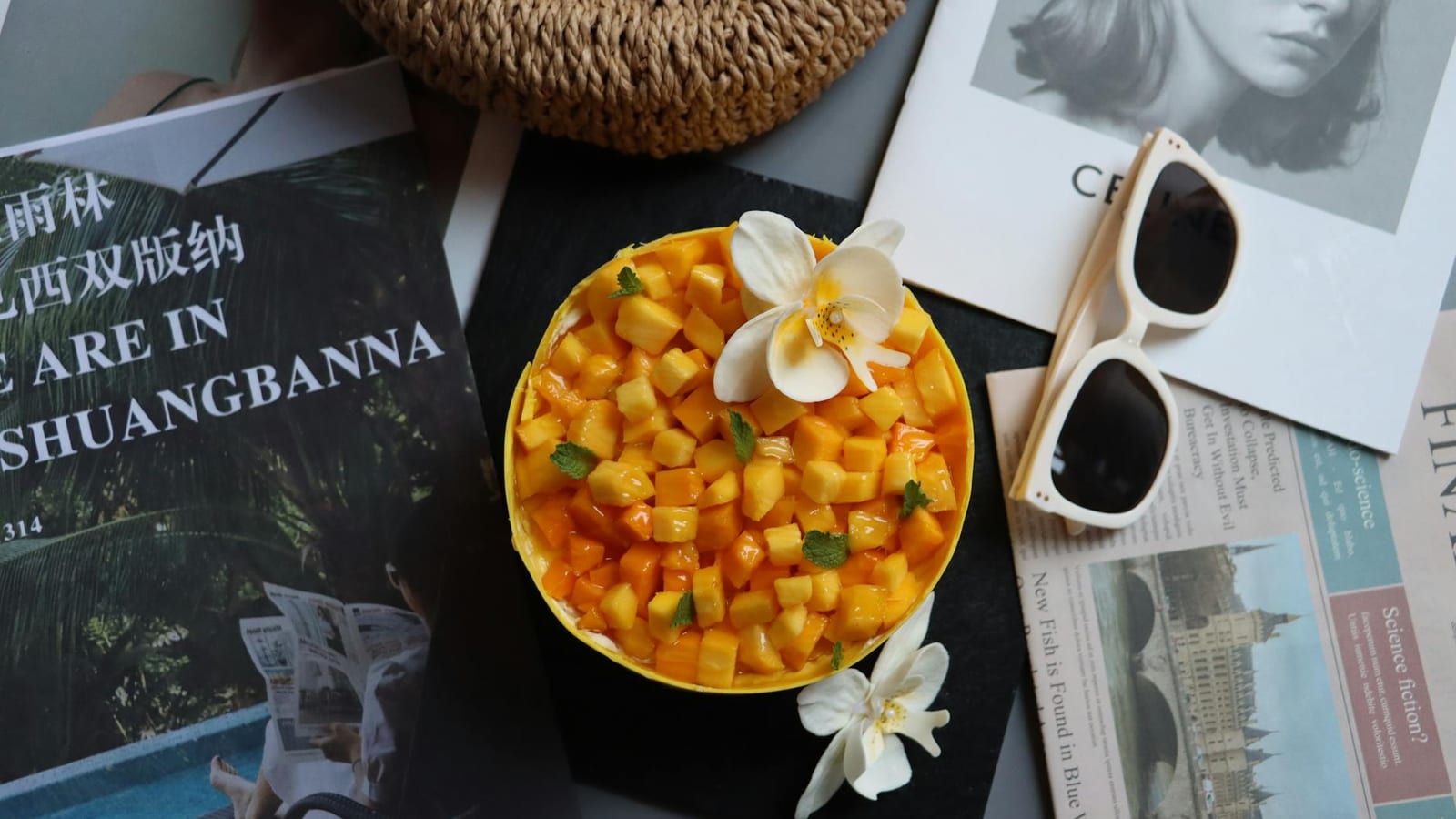
Seven thousand litres of aamras is not just a menu item. It is a supply chain with saffron mangoes, milk, cooks, vessels, gifts, music, and a village running at full speed.
That was the scale at Agadgaon in Ahilyanagar, where the local temple organised a grand “dhondyache jevan” for Adhik Maas. Around 500 sons-in-law were honoured, while more than 15,000 devotees were expected for mahaprasad.
The numbers sound festive. They also tell a small business story. One religious meal can move mangoes, textiles, copperware, sweets, transport, and labour in one stroke.
A feast built on scale
Adhik Maas holds a special place in many Maharashtrian homes. Families traditionally invite sons-in-law, perform a ritual welcome, serve a festive meal, and give gifts.
At Shri Kshetra Kalbhairavnath Agadgaon, the custom became a public celebration. The temple trust welcomed sons-in-law in a traditional way and organised a procession with music.
The organisers said each son-in-law received five sets of clothes. Daughters were honoured with Paithani sarees, one of Maharashtra’s most cherished festive garments.
The event also included a puja plate made of copper, along with ritual items and sweets. The organisers said the package cost ₹3,500, paid by the father-in-law.
Mangoes, milk and village economics
The centrepiece was aamras. Organisers said they procured 3,500 kg of Kesar mangoes and used 1,000 litres of milk.
The mixture was prepared in 15 large vessels. By the end, the kitchen expected nearly 7,000 litres of aamras.
That is not a casual kitchen operation. It needs bulk buying, sorting, pulping, storage, stirring, serving, and crowd management.
For mango suppliers, such events matter. A single temple order can clear a large stock quickly, especially during peak festive demand.
For dairy suppliers too, 1,000 litres is meaningful. In rural markets, bulk purchases can give local vendors a strong day’s business.
Then comes labour. Someone must peel mangoes, cook dal, roll dough, fry dhondas, clean vessels, and serve thousands. These events quietly create paid and unpaid work.
The dhonda at the centre
The organisers said they bought 1,000 kg of chana dal to prepare the puran. Puran is the sweet lentil filling used in puran poli and dhonda.
A dhonda is usually made with wheat flour and puran, then fried. It carries both ritual value and emotional weight.
The temple expected to prepare close to 10,000 dhondas. Each son-in-law was to receive one as part of the tradition.
For anyone outside Maharashtra, this may sound like a charming family custom. But in many homes, it also reflects social duty.
The son-in-law is treated as a special guest. The daughter’s family shows affection through food, clothes, and ritual respect.
That is why the event drew attention. It took a private household practice and turned it into a collective village celebration.
Faith meets local commerce
The Kalbhairavnath temple trust framed the event around faith, tradition, and annadan, or food donation.
But any large annadan also runs like a temporary enterprise. It needs procurement, budgeting, planning, and execution.
The ₹3,500 contribution for the gift package is a useful detail. It shows that ritual spending has a structure, not just emotion.
For textile sellers, Paithani sarees and clothing sets mean business. For copperware sellers, puja plates and lamps bring demand.
Sweet makers also gain from items such as battasa and anarasa. These are not headline businesses, but they are part of India’s festive economy.
This is how local markets often work. A calendar event arrives, families spend, traders stock up, and workers get short bursts of income.
In large cities, we speak of consumption through malls and online carts. In villages, it often moves through temples, weddings, yatras, and seasonal rituals.
Why this tradition still travels
The appeal of such an event lies in its simplicity. People understand food, honour, family, and belonging.
A son-in-law may live in another town. A daughter may visit rarely after marriage. A shared meal becomes a way to pull families back together.
At the same time, the cost of such customs can worry many households. Gifts, clothes, sweets, and ritual items add up quickly.
That is where community events change the equation. They spread the effort across organisers and participants.
They also make the custom public. A household ritual becomes a village identity, something people talk about beyond the district.
The organisers said a similar initiative took place three years ago and received a strong response. This year, they saw the same enthusiasm again.
That repeat response matters. It suggests people do not see this only as a one-day spectacle. They see it as part of local memory.
For ordinary readers, the takeaway is not only that Agadgaon served a giant bowl of aamras. It is that India’s economy still beats loudly in places like this, through rituals, relationships, and seasonal spending. When faith fills the kitchen, the market often follows quietly behind.