Maharashtra Adhik Maas Feast Draws 15,000 Devotees
A temple feast in Ahilyanagar used 7,000 litres of aamras and gifts for 500 sons-in-law, turning ritual into local business.
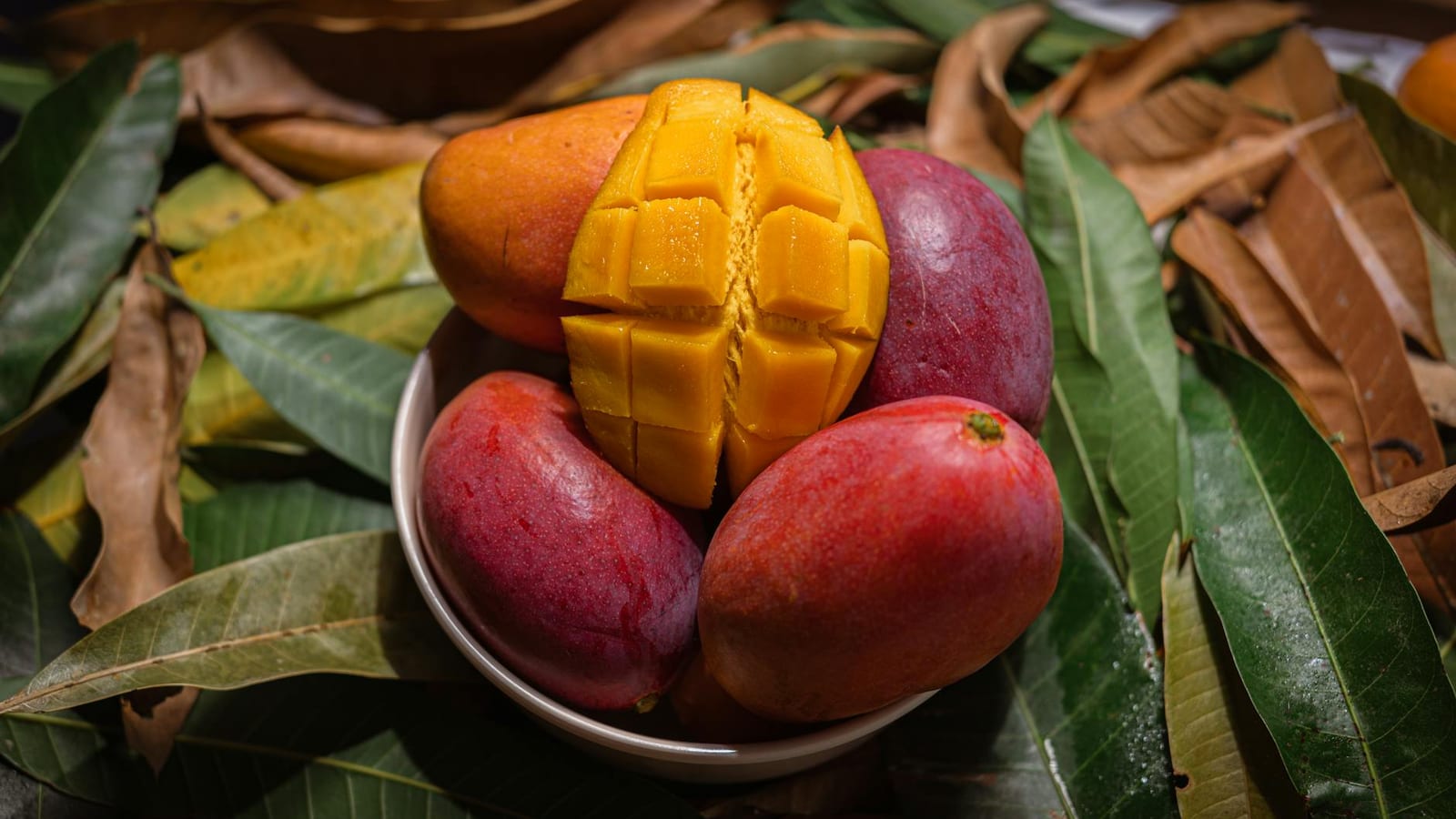
Seven thousand litres of mango pulp can turn a village ritual into a local economy story.
At Agadgaon in Ahilyanagar, a temple feast for Adhik Maas became much more than lunch. It brought together faith, family honour, farm produce, clothing, gifts, cooks, suppliers, and thousands of visitors.
The centrepiece was simple and very Maharashtrian. Sons-in-law were welcomed, fed, honoured, and sent home with gifts.
A feast built on scale
The event at Shri Kshetra Kaalbhairavnath Agadgaon was organised around the old Adhik Maas custom of honouring sons-in-law.
Organisers said around 500 sons-in-law were invited for the traditional “dhondyache jevan”. More than 15,000 devotees were expected for mahaprasad.
For anyone outside Maharashtra, “dhonda” needs a small translation. It is a festive fried preparation made with wheat flour and sweet puran filling.
Puran itself is made from chana dal and jaggery. In many homes, it sits close to emotion, not just taste.
Here, the quantities told the real story. Organisers bought 3,500 kg of kesar mangoes and used 1,000 litres of milk. They expected nearly 7,000 litres of aamras from that.
They also prepared puran from one tonne of chana dal. That is not a household meal scaled up. That is a village supply chain at full stretch.
Tradition meets village commerce
A feast like this does not happen with devotion alone. It needs cash, planning, vendors, transport, labour, storage, and timing.
The organisers said each son-in-law received a gift package worth ₹3,500. Fathers-in-law paid for the package.
That package included clothing, a copper puja plate, sweets, and other ritual items. Daughters were honoured with Paithani sarees.
This is where culture quietly enters the business pages. A single religious event can move money through several hands.
Mango traders sell in bulk. Dairy suppliers get large orders. Tailors, cloth sellers, utensil vendors, sweet makers, cooks, decorators, and bands all find work.
For a small town, this is not a soft detail. These events often bring the kind of demand that local shops wait for.
A wedding season does this regularly. A large temple feast does it more suddenly.
The son-in-law economy
Adhik Maas carries a special place in many Maharashtrian families. It comes with rituals, meals, gifts, and family visits.
The son-in-law gets formal respect during this month. In many households, the ceremony has deep emotional value.
But there is also a practical side. Every ritual purchase has a price tag.
A Paithani saree means business for a weaver, trader, or retailer. A copper plate means metalwork and retail margins. Mango pulp means farmers and traders get a seasonal push.
Even the ₹3,500 package tells us something. Tradition today often comes bundled, priced, and organised.
Families still perform the ritual with affection. But the market now provides a ready-made format.
That is not necessarily cynical. It is how many customs survive in modern life. People have less time, so organisers create structure.
In return, the local economy gets a short burst of spending.
Food, faith, and logistics
The cooking itself was a serious operation. Fifteen large vessels were used for the aamras preparation.
Anyone who has managed food for even 100 people knows the headache. Multiply that by thousands, and the numbers become unforgiving.
The mangoes must ripen at the right time. Milk has to stay fresh. Puran must cook evenly. Distribution has to move fast.
Crowd management also matters. Large religious meals can become chaotic if queues fail or food runs short.
Here, the organisers placed the feast inside a larger devotional setting. Traditional music, processions, and temple rituals shaped the day.
Devotees who attended described the event as a mix of faith, tradition, and community bonding.
That line may sound familiar, but it fits. Rural Maharashtra often keeps social networks alive through such public meals.
A shared plate can do what many formal meetings cannot. It brings families, castes, traders, priests, workers, and visitors into one visible space.
Why the numbers matter
It is tempting to treat this as a colourful oddity. Five hundred sons-in-law, 7,000 litres of aamras, one tonne of puran.
But those numbers show how rural consumption works in India. Spending often clusters around festivals, marriages, pilgrimages, and temple events.
For large companies, demand shows up in quarterly reports. For small vendors, it appears in one busy week.
A fruit trader may not talk in the language of markets. Still, bulk orders decide his cash flow.
A cloth shop may not call this a festive demand cycle. Yet that is exactly what it is.
The same applies to small caterers and daily-wage workers. Large religious events create temporary work, even if no one calls it employment generation.
There is also a lesson for brands and policymakers. Rural demand does not always look like malls and online carts.
It often looks like mango crates, saree bundles, copper plates, loud processions, and meals served in rows.
That demand is emotional, seasonal, and deeply local. It cannot be understood only through urban consumer surveys.
The Agadgaon feast also shows how temples act as social organisers. They bring together money, faith, volunteers, and public participation.
At their best, such events create shared pride. At their worst, they can become competitive displays of spending.
The line between devotion and showmanship is always thin. But in this case, the public meal also fed thousands.
For ordinary readers, the larger point is clear. India’s economy does not move only in boardrooms and stock exchanges. It also moves through kitchens, mandaps, temple courtyards, and family obligations. When 3,500 kg of mangoes become prasad, a village is not just celebrating. It is buying, selling, feeding, gifting, and keeping an old social contract alive in today’s cash economy.