Kedarnath pilgrim vanishes from train, traced after six days
A 29-year-old woman returning from Kedarnath went missing from Mahananda Express, prompting a six-day search before a phone call led police to her.
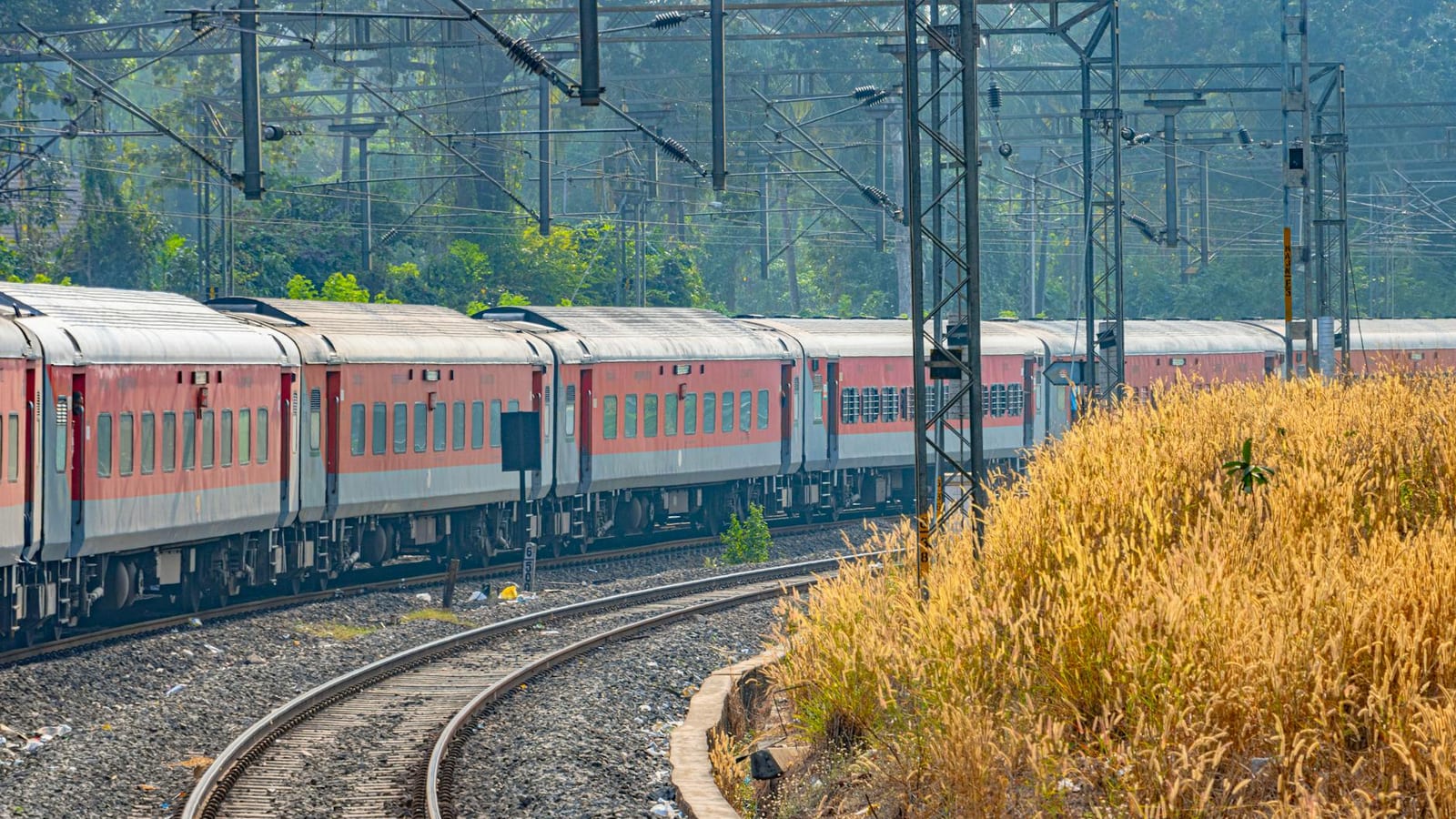
A honeymoon-season train journey turned into six days of panic for one family, after a 29-year-old woman vanished from her berth on a long ride home.
Pragya Singh had gone to Kedarnath with her husband, Manish Agrahari. The couple had married only in February. By early May, they were returning from the pilgrimage, tired like most people after a mountain trip and a long train connection.
Then, somewhere on the journey, Pragya was no longer on her seat. Her phone later went silent. For her family, those two facts were enough to turn worry into dread.
A journey home turns frightening
Pragya and Manish had first reached Dehradun after visiting Kedarnath. From there, they boarded Mahananda Express on May 5, heading towards Ghaziabad.
Manish told police that Pragya was sleeping on the upper berth, while he was on the lower berth. When he woke up, she was not there.
At first, he thought she may have gone to the washroom. That is a common assumption on Indian trains, especially during long overnight journeys.
But minutes passed. Then more time passed. Pragya did not return.
Manish searched the coach and then other parts of the train. He could not find her. A normal journey now had the smell of something deeply wrong.
The couple had known each other for years before marriage. Their wedding had taken place with the approval of both families. That made the disappearance even harder for the family to understand.
Phone location deepens the fear
The first clue did not calm anyone. Pragya’s last mobile location showed up near railway tracks in Laksar, in Uttarakhand. After that, the phone was switched off.
For any family, this is the worst kind of clue. It tells you something, but not enough. It opens ten frightening possibilities and confirms none.
Manish went to the police and filed a missing complaint at Laksar police station. Uttarakhand Police, railway police and other teams then began looking for her.
The search covered railway tracks, stations and possible movement points. Police also checked CCTV footage, but the trail was not clean.
Several cameras were reportedly not working. That is a familiar Indian problem. We install cameras after every safety scare, then forget maintenance until the next crisis.
In railway cases, this gap matters. One missing frame can change an investigation. It can show whether someone got down alone, met someone, slipped, or left by choice.
For six days, there was no clear answer. Her photographs circulated widely on social media. Family members feared that something serious may have happened to her.
Six days later, a call
The mystery broke not through a dramatic police chase, but through a phone call.
Pragya contacted her family from Begusarai in Bihar. Her brother said one of their aunts lives there. Pragya told the family where she was.
Once the family informed police, teams moved to Begusarai. Police found Pragya at her aunt’s home and took her into safe custody.
The family then received the news they had been waiting for. Pragya was alive and safe.
For any household, that one sentence changes the temperature of the room. Six days of fear do not disappear at once, but they stop growing.
Police have informed the family. Relatives who were earlier in Delhi later reached Laksar police station. The family is expected to take Pragya back with them.
Police are still questioning her. That part matters, because many questions remain unanswered.
Why did she leave the train? Where did she get down? Why did the phone go off near Laksar? How did she reach Bihar? Did anyone help her on the way?
Until police record her statement fully, the story should not be forced into any neat box.
The larger railway question
This case may end with a family matter, a personal decision, or some other explanation. But it also throws light on a larger problem millions of passengers know too well.
Indian train travel depends heavily on trust. Families sleep in shared coaches. Women use washrooms at odd hours. Passengers walk between coaches during the night.
Most journeys end without incident. That is why the system works. But when something goes wrong, families quickly discover how thin the safety net can be.
A working CCTV camera at the right place can save hours. A prompt coach-level alert can narrow the search. A clear passenger support system can stop panic from spreading.
Railway police often work under pressure across long routes and many jurisdictions. A train can cross state lines while a family is still trying to explain what happened.
In this case, Uttarakhand and railway police began searches after the complaint. The trail still went cold for days.
That is where coordination becomes crucial. A missing adult is not always a crime victim. But police cannot assume that early. The first few hours matter most.
For passengers, the lesson is practical, not paranoid. Families on long journeys should keep phones charged, share berth details, and agree on what to do if separated.
That sounds simple. But in a crowded coach, at 3 am, after a tiring pilgrimage, simple things can fail.
Families live inside uncertainty
The human part of this story sits between two facts. Pragya went missing from a train. Pragya was later found safe.
Between those facts were six days of helplessness for her family. They watched phone locations, called relatives, spoke to police, and waited for news.
Social media made the search wider, but it also made the fear public. Once a missing person’s photograph spreads online, the family loses privacy along with peace.
There is another reason to handle such cases carefully. A woman’s disappearance often invites instant judgement. People rush to guess family trouble, crime, elopement, or mental stress.
Police questioning may clarify the circumstances. Until then, the decent position is restraint.
What we know is limited. Pragya was travelling with her husband after Kedarnath. She was reported missing from the train. Her last phone location appeared near Laksar. She was later found at her aunt’s home in Begusarai.
That is enough for a news report. It is not enough for character certificates.
For ordinary readers, this story carries two reminders. First, families can be pushed into panic within minutes when travel safety breaks down. Second, our public systems need boring reliability, working cameras, quick alerts, and clear coordination. Not because every missing case is a crime, but because every missing person is someone’s whole world.