Israel's Lebanon push faces costly Hezbollah ambush
Israel's limited ground move into southern Lebanon faces tougher terrain and Hezbollah ambush tactics after eight soldiers were killed in fighting.
Eight dead soldiers can change the mood of a war room very quickly.
Israel has called its move into southern Lebanon limited, local, and targeted. But on the ground, such words often lose meaning after the first ambush, the first tank hit, and the first families waiting for names to be confirmed.
Hezbollah says its fighters forced Israeli troops back near Odaisseh and Yaroun. Israel has confirmed the death of eight soldiers in fighting inside Lebanon. That alone tells us this is no routine border raid.
Why southern Lebanon is different
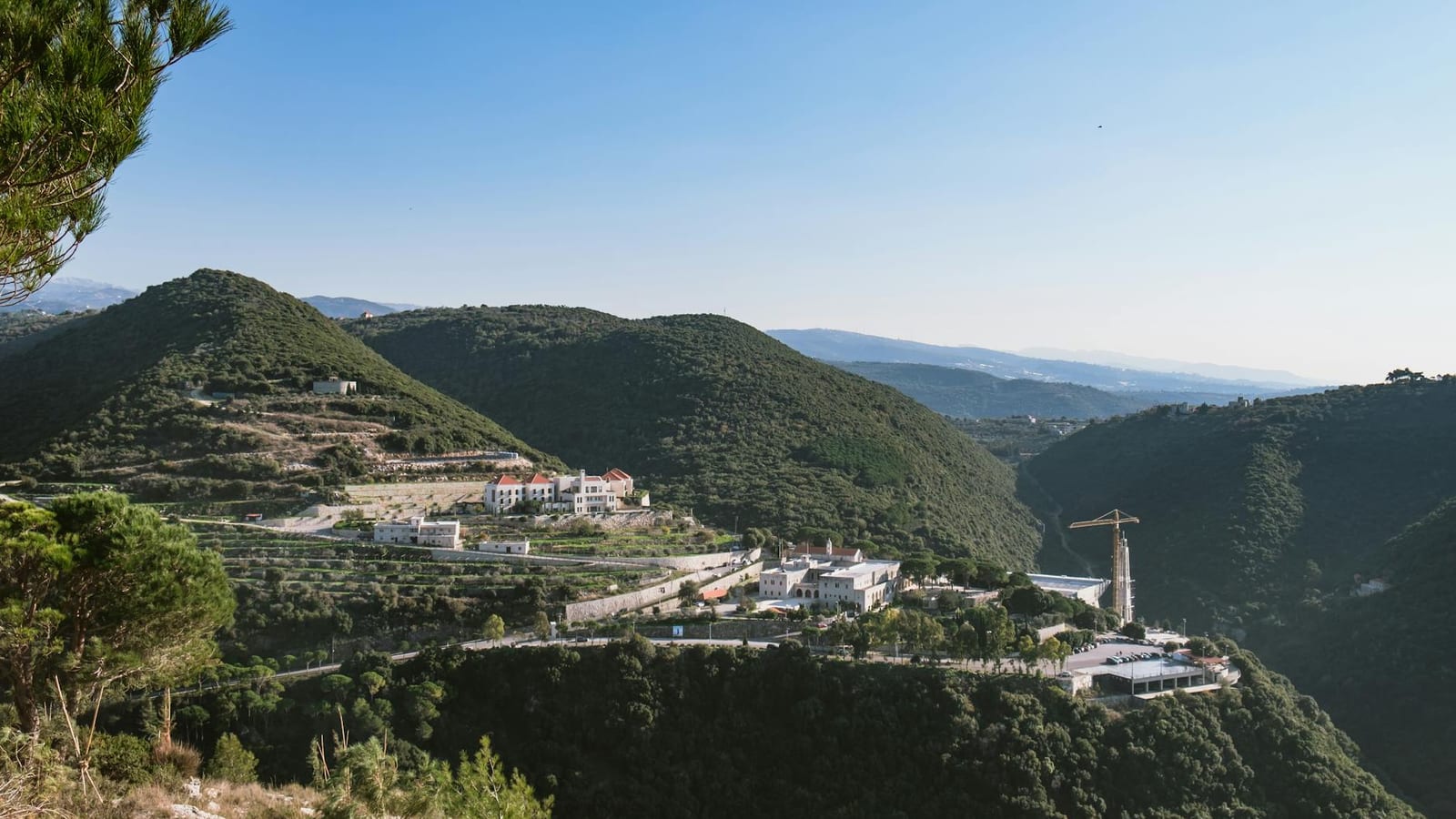
Southern Lebanon is not open desert. It is a difficult battlefield of villages, slopes, orchards, narrow roads, and prepared positions. For any invading army, every bend can hide a firing point.
Hezbollah knows this land far better than the troops entering it. That matters. In urban and semi-rural combat, local knowledge can blunt even a stronger military machine.
Israel has air power, tanks, drones, and advanced intelligence. Hezbollah has tunnels, small mobile teams, anti-tank weapons, and patience. That mix makes ground combat slow and costly.
For ordinary Lebanese families near the border, this means one thing first. More homes empty, more shops shut, and more people move with whatever they can carry.
For Israeli towns in the north, the fear is different but just as real. Rockets can turn daily life into sirens, shelters, and long absences from work and school.
The shadow of the 2006 war
The memory of 2006 hangs over this operation. That war lasted 34 days and ended without a clear Israeli victory.
Israel lost 121 soldiers in that conflict. More than 20 tanks were destroyed or damaged by Hezbollah attacks, according to accounts from that period. Lebanon paid a far heavier civilian price, with over 1,000 Lebanese civilians killed.
The war began after Hezbollah captured two Israeli soldiers near the border on July 12, 2006. Israel responded with large air and ground operations. Hezbollah fired rockets into northern Israel.
A commission later examined Israel’s handling of the war. It found serious failures in planning, command, and execution. The core lesson was blunt. A powerful army can still struggle when its aim is unclear.
That is why the word “limited” matters today. A limited operation can stay limited only if both sides behave that way. Hezbollah has no reason to make that easy.
The group built much of its reputation by surviving Israel’s military pressure. It does not need to win in the classic sense. It only needs to deny Israel a clean result.
Hezbollah has grown tougher
Hezbollah is not just a militia with rifles. It is widely seen as one of the strongest non-state armed groups in the region.
Since 2006, it has gained battlefield experience, weapons, and confidence. Its arsenal includes rockets, missiles, and anti-tank systems. Some can reach deep into Israel.
The group also benefits from support from Iran. That support has included money, weapons, training, and political backing. This gives Hezbollah staying power in a long confrontation.
Israel says it has also learned from 2006. Its commanders have spent years studying Hezbollah’s methods. Its intelligence agencies track launch sites, command networks, and weapons routes.
But intelligence does not remove the danger of close combat. Once soldiers enter villages and tree lines, technology helps, but it does not decide everything.
Hezbollah’s claim that it destroyed three Merkava tanks will be read carefully in the region. Even if battlefield claims need caution, the message is clear. Hezbollah wants to show it can still hurt Israeli armour.
That matters beyond military pride. Markets, shipping firms, oil traders, and insurers all watch the region for signs of wider war. A longer conflict can push up risk costs far from the battlefield.
A limited operation can widen fast
Israel wants to push Hezbollah away from its northern border. That aim has strong domestic pressure behind it. Many Israelis displaced from border towns want to return safely.
But pushing Hezbollah back is easier to say than to do. A short raid can become a long campaign if the other side refuses to fold.
Lebanon’s state is already weak and financially battered. A wider war would hit electricity, hospitals, ports, roads, and small businesses. For a country still recovering from years of crisis, that cost would be crushing.
The danger also reaches beyond Lebanon and Israel. If the conflict grows, Iran’s role will come under sharper focus. Other groups in the region may also respond.
That is where this becomes a business story too. War in West Asia affects oil prices, aviation routes, migrant workers, remittances, shipping, and investor mood.
India has deep stakes in the region. Millions of Indians work across West Asia. Any wider conflict can worry families in Kerala, Uttar Pradesh, Telangana, Punjab, and Maharashtra.
Oil is another pressure point. India imports most of its crude. Even a fear premium in global oil prices can feed into fuel costs, inflation, and the rupee.
For small firms, that can mean dearer transport. For households, it can mean tighter monthly budgets. War abroad often enters Indian homes through prices, jobs, and uncertainty.
What Israel must weigh now
Israel faces a hard choice. If it pulls back too soon, Hezbollah will claim victory. If it stays too long, the cost may rise sharply.
Hezbollah faces its own risk. A larger war can devastate Lebanon further. The group may gain military prestige, but Lebanese civilians will bear much of the punishment.
That is the old tragedy of this border. Armed groups and states make strategic calculations. Families count missing relatives, broken windows, unpaid salaries, and nights without sleep.
The 2006 war showed that firepower alone cannot solve a political and military knot. The current fighting may test that lesson again, under even more dangerous conditions.
For Indian readers, this is not a distant headline from another troubled border. It is a reminder that wars rarely stay inside their maps. They travel through oil bills, job worries, market nerves, and the quiet fear of families waiting for the next call.