Israel's Lebanon Ground Push Faces Hard 2006 Echoes
Israel's ground operation in southern Lebanon faces Hezbollah ambushes, difficult terrain and rising losses, reviving warnings from 2006.
Eight dead soldiers can change the mood of a war room very quickly.
That is why Israel’s ground push into southern Lebanon carries a familiar warning. The Israeli military has called it limited, local and targeted. But anyone who remembers 2006 knows how quickly Lebanon can turn a neat military plan into a long, costly fight.
Hezbollah has claimed its fighters pushed Israeli troops back near Odaisseh and Yaroun. Israel has confirmed that eight of its soldiers were killed in fighting. That single admission tells a larger story. This is not a clean border raid. It is a hard fight on hostile ground.
Why Lebanon is hard terrain
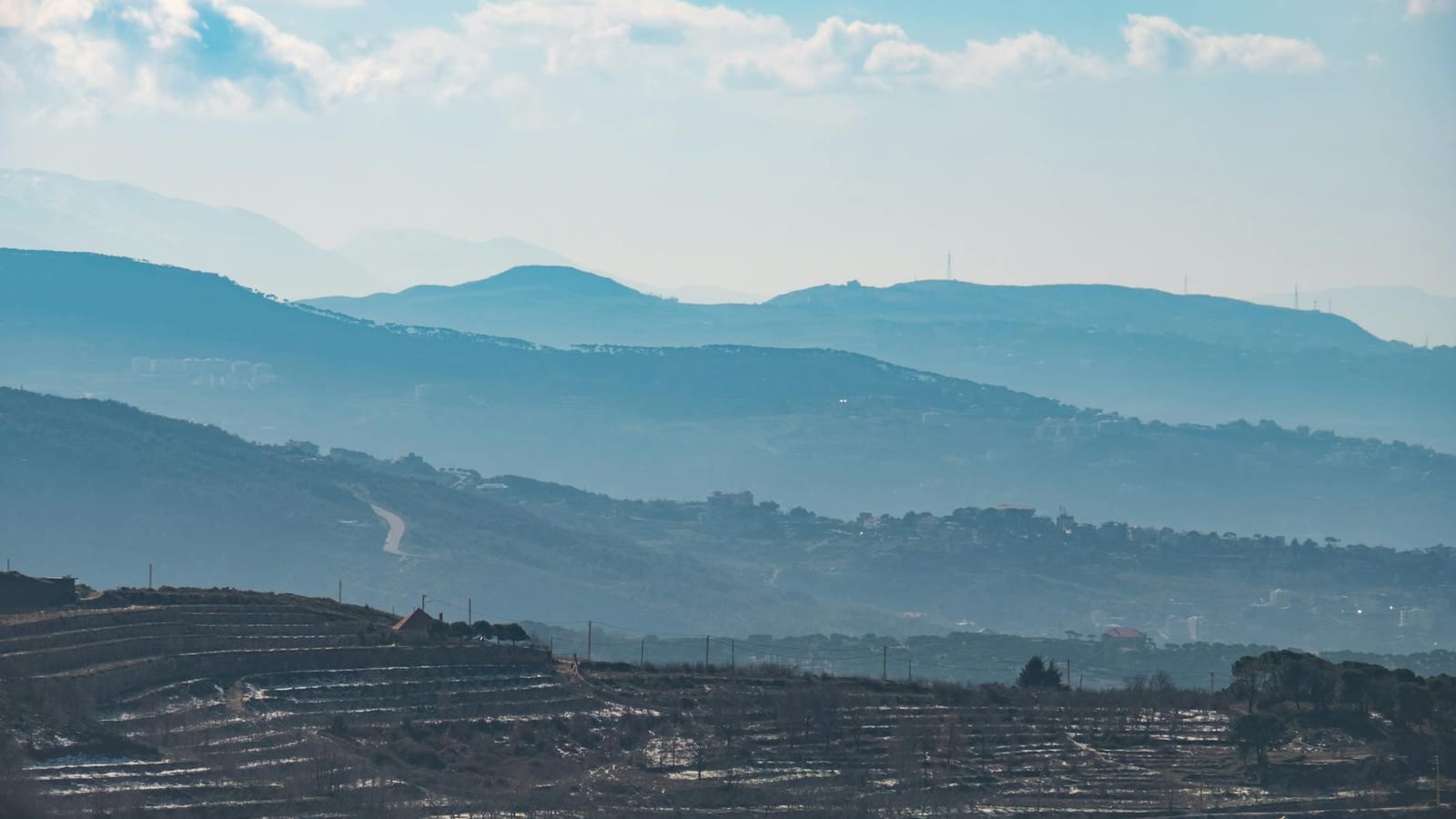
Southern Lebanon is not open desert. It has villages, hills, narrow roads, hidden routes and years of prepared positions. For a regular army, that creates a basic problem. Tanks and troops can move in, but every turn may hide an ambush.
Hezbollah knows this terrain far better than any outside force. Its fighters have spent years studying where Israeli troops may enter, where tanks may slow down, and where missiles can hurt most.
That is why a ground attack in Lebanon is very different from an air campaign. Jets can strike targets from above. Soldiers on the ground must face small teams, tunnels, anti-tank weapons and sudden fire at close range.
Israel says it wants focused operations against Hezbollah positions near the border. But once troops cross into built-up areas, control becomes harder. A limited operation can widen if casualties rise or rockets continue.
The shadow of the 2006 war
The 2006 Israel-Lebanon war still hangs over this moment. That war began on July 12, 2006, after Hezbollah captured two Israeli soldiers near the border and killed others.
Israel answered with air and ground operations. The war lasted 34 days. By the end, 121 Israeli soldiers and 40 Israeli civilians had died. More than 1,000 Lebanese civilians were killed.
For Israel, the military result was uncomfortable. It had entered the war with major firepower. But it did not achieve a clear battlefield victory. Hezbollah survived, kept firing rockets, and claimed political credit across the region.
Israel later set up the Winograd Commission to review the war. The commission criticised the leadership and military planning. It said Israel entered a long war without securing a clear military win.
That finding matters today because armies remember pain. They rebuild after failures. Israel has changed tactics, improved intelligence and upgraded battlefield systems since 2006. But Hezbollah has also changed.
Hezbollah is stronger now
Hezbollah in 2024 is not the same force Israel faced in 2006. It has grown into one of the most powerful armed groups outside a national army in the region.
The group has rockets, missiles and anti-tank weapons. It also has battlefield experience from years of fighting in Syria. That matters because combat experience often teaches what training cannot.
Hezbollah has claimed it destroyed three Israeli Merkava tanks in the latest fighting. Israel has not accepted every claim from the group. Still, the claim itself shows how Hezbollah wants to frame the battle. It wants to show Israel that armour will not move freely.
The group also believes it can test Israel’s Iron Dome air defence system. Iron Dome can intercept many rockets, but no shield works perfectly under heavy pressure. If Hezbollah fires large barrages, Israeli civilians in the north will feel the fear quickly.
Then comes the Iran factor. Iran supports Hezbollah with money, training and weapons. That gives the group staying power. It also makes any Israel-Hezbollah war a regional concern, not just a border clash.
Civilians carry the real cost
For people in northern Israel, this conflict means sirens, shelters and uncertainty. Families near the border do not think in military phrases. They think about school, work, elderly parents and whether it is safe to return home.
For Lebanese civilians in the south, the fear is even sharper. Villages near the border often become the first places hit when fighting grows. Roads close, homes empty out, and small businesses lose customers overnight.
The 2006 war showed how civilians pay for decisions made by armed groups and governments. More than 1,000 Lebanese civilians died then. Infrastructure took heavy damage. The scars lasted long after the ceasefire.
This is also an economic story, even if it begins with rockets and tanks. War drains public money, hurts trade, shuts farms, damages homes and scares investors. Lebanon already faces deep financial distress. Another long conflict would hit ordinary people first.
Israel also faces a cost. Mobilising troops, defending towns and sustaining military operations all carry a heavy bill. Markets may adjust quickly, but households do not. Workers, shopkeepers and small firms live with the disruption.
A limited war can widen
Israel wants to avoid the mistakes of 2006. Its current language suggests discipline. Limited. Local. Targeted. These words aim to show control and reassure allies.
But wars rarely obey press statements. If Hezbollah keeps attacking, Israel may send more troops. If Israel expands the operation, Hezbollah may fire deeper into Israeli territory. Each step creates pressure for the next one.
That is the dangerous rhythm of this conflict. Both sides want to show strength. Neither wants to look weak after casualties. That makes retreat politically hard, even when the battlefield becomes costly.
The wider region is watching closely. A longer war could pull attention and resources across West Asia. It could also deepen tensions between Israel and Iran-backed groups.
For India, this matters beyond foreign policy briefings. West Asia affects oil prices, shipping routes and the safety of Indian workers abroad. A wider conflict can push fuel costs higher and add pressure to household budgets here.
So the question is not only whether Israel has learned from 2006. It is whether the old lessons still work against a stronger Hezbollah, in a more fragile region, with civilians already stretched thin. The next few days will show whether this remains a border operation or becomes another long war that ordinary people, as usual, pay for first.