Israel Faces Tough Ground Battle Against Hezbollah
Israel's push into southern Lebanon has met fierce Hezbollah resistance, with eight soldiers killed and terrain complicating the ground campaign.
Eight dead soldiers in one day can change the mood of a war room very quickly.
That is the hard signal from southern Lebanon, where Israel has pushed ground troops across the border and run straight into the old problem it knows too well. Air power can punish. Tanks can enter. But holding ground against Hezbollah is a different business altogether.
Israel calls its operation limited, local and targeted. Hezbollah says its fighters forced Israeli troops back near Odaiseh and Yaroun. Israel has confirmed eight military deaths in the fighting. For anyone who remembers 2006, that is not just another battlefield update. It is a warning bell.
Why the ground fight is harder
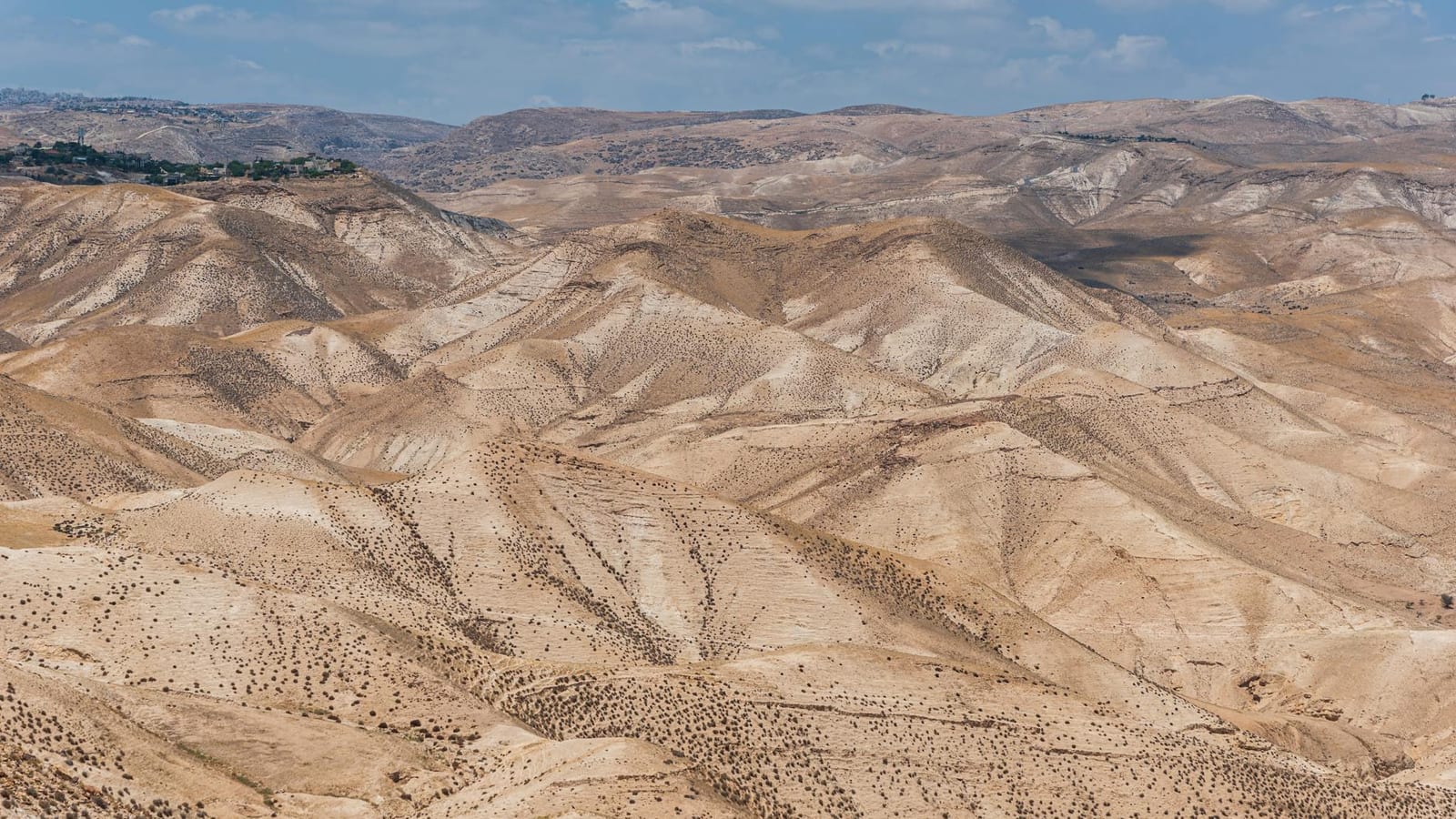
On a map, southern Lebanon looks like a narrow strip near Israel’s northern border. On the ground, it is far more difficult.
Villages, hills, narrow roads and prepared positions make it ideal for ambushes. Hezbollah has spent years learning this terrain. Israeli soldiers entering it face an enemy that does not fight like a regular army.
That is the central problem. Israel can hit targets from the air. But once troops move in, Hezbollah can choose when and where to strike.
The group has anti-tank weapons, rockets and missiles. It also has long experience in small-unit fighting. That matters because ground wars are not won only by bigger weapons. They are often decided by patience, local knowledge and supply lines.
Hezbollah has claimed it destroyed three Israeli Merkava tanks. Israel has not confirmed that specific claim. Still, the message is clear. Hezbollah wants to show that this is not a quick raid into empty territory.
For Israel, the first days matter. If losses rise early, public pressure grows. Families of soldiers begin asking hard questions. Markets also listen. A wider war near West Asia quickly affects oil, shipping and investor nerves.
The shadow of 2006
The memory of the 2006 Lebanon war still sits heavily over this conflict.
That war began on July 12, 2006, after Hezbollah captured two Israeli soldiers near the border and killed others. Israel responded with air and ground attacks. The fighting lasted 34 days.
By the end, more than 1,000 Lebanese civilians had died. Israel lost 121 soldiers and 40 civilians. Hezbollah fired rockets into northern Israel. Israel tried to crush Hezbollah’s missile capacity but failed to deliver a clean military victory.
The United Nations helped bring a ceasefire on August 14, 2006. But the war did not settle the core problem. Hezbollah remained armed. Israel remained deeply worried about its northern border.
Inside Israel, the Winograd Commission later examined the war. It found that Israel had entered a long conflict without a clear military victory. It also criticised the performance of the political and military leadership.
That report mattered because it challenged Israel’s old confidence. It showed that even a powerful army can struggle when the mission is unclear.
This is why 2024 feels uncomfortable for Israel. Its commanders know the old mistakes. They also know Hezbollah has had years to prepare for the next round.
Hezbollah’s changed confidence
Hezbollah is not just a militia with rifles. It is one of the strongest non-state armed groups in the region.
The group has built its strength over decades. It has military experience, political influence in Lebanon and support from Iran. That backing has helped it collect weapons, money and training.
In 2006, Hezbollah surprised Israel with ambushes and anti-tank attacks. Since then, it has tried to grow from a defensive force into a more confident regional actor.
That confidence matters now. Hezbollah is presenting the latest clashes as proof that Israeli troops can be pushed back. It wants Lebanese supporters, regional allies and Israeli citizens to absorb the same message.
Israel sees the same situation differently. It argues that Hezbollah’s presence near the border threatens Israeli towns. After months of cross-border fire, Israel says it must push the group away from the frontier.
Both sides are talking to their own people as much as to each other. Israel wants to show resolve. Hezbollah wants to show resistance. That combination can trap both sides in a longer fight.
For ordinary Lebanese families, this is terrifying. Many still remember 2006 through destroyed homes, broken roads and lost relatives. For Israelis near the northern border, rocket fire means school closures, evacuations and daily fear.
The wider economic risk
For India, this is not a distant war story.
West Asia touches our economy every day. Oil prices, shipping routes, remittances and market sentiment all run through this region. A wider conflict can make fuel costlier and freight more uncertain.
Even rumours of escalation can unsettle traders. A small business importing parts may face higher shipping costs. An airline may spend more on fuel. A household may not know the reason, but petrol and diesel prices can carry the shock.
There is also the human link. Large numbers of Indians work across West Asia. Any regional flare-up makes families back home nervous, especially when fighting spreads across borders or air routes become uncertain.
That is why investors watch Lebanon, Israel and Iran together. The fear is not only one ground battle. The fear is a chain reaction, where one strike invites another.
Israel may want a short operation. Hezbollah may want to avoid full-scale destruction inside Lebanon. But wars often grow because each side thinks one more move will improve its position.
This is the part press statements never explain well. A “limited” operation can still become expensive. A “targeted” strike can still produce civilian fear. A battlefield success can still drag a country into a wider mess.
The real question is not whether Israel has learned from 2006. It almost certainly has. The question is whether those lessons are enough against an enemy that has also learned, armed itself and waited. For ordinary people across the region, and even for Indians watching fuel bills and markets, the danger is simple. A short war is easy to announce. It is much harder to keep short.