Isha Ambani Turns Nita Ambani Jewels Into Viral Met Gala Moment
Isha Ambani's candid Met Gala clip drew attention after she credited Nita Ambani's jewellery, turning a luxury look into a Mother's Day moment.
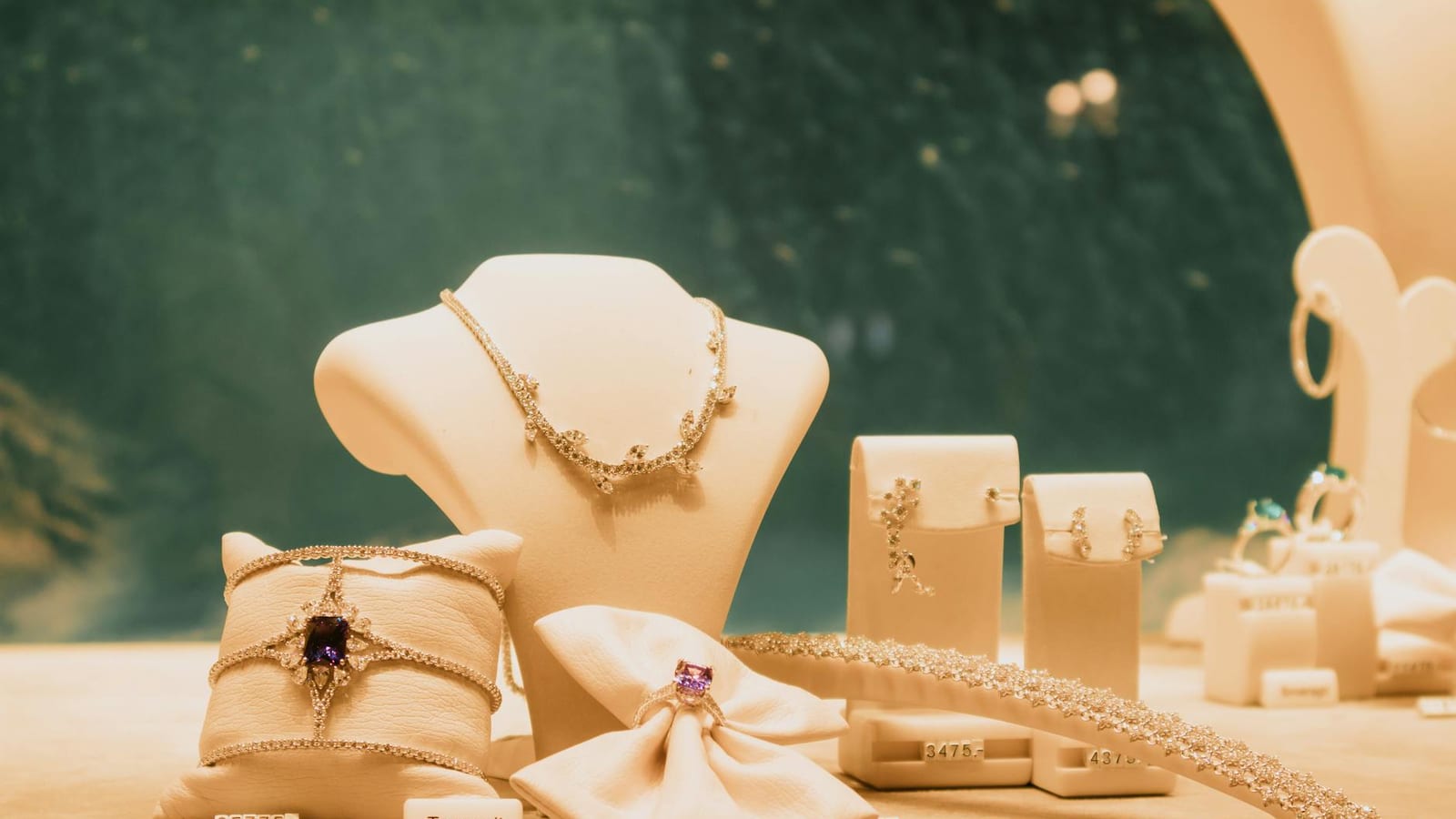
A billionaire heiress, a global fashion carpet, diamonds, emeralds, and still the internet picked one word: “mom”.
That is the funny thing about luxury in India. We may look at the price tag first, but we remember the emotion longer. Isha Ambani found that out after a short behind-the-scenes clip from the Met Gala began racing across social media around Mother’s Day.
In the clip, Isha points to her jewellery and says, with visible delight, that it belongs to her mother, Nita Ambani. The line that stuck was simple: “Mom, mom, mom.” Within hours, the internet had turned it into a warm, stylish, very Indian tribute.
A luxury moment turns personal
The Met Gala usually runs on spectacle. Designers, diamonds, rare gowns, and celebrity entrances all fight for attention. This year too, the event had enough fashion drama to fill every feed.
But Isha’s viral moment worked for a different reason. It did not look rehearsed. It did not feel like a brand script. It looked like a daughter enjoying the fact that she was wearing something from her mother’s collection.
That detail changed the meaning of the jewellery. Viewers stopped seeing only diamonds and emeralds. They saw inheritance, memory, family pride, and that familiar Indian emotion around a mother’s carefully kept things.
Many Indian homes understand this instantly. A sari kept in a steel cupboard. A wedding necklace opened only on big days. A handbag saved for years. These objects carry family history, even when their market value is modest.
In Isha’s case, the setting was ultra-luxury. The emotion, though, felt surprisingly ordinary. That contrast made the clip travel far beyond fashion watchers.
Why the internet copied it
The trend grew because it gave people an easy script. Creators began pointing at their own mother’s jewellery, saris, bindis, handbags, sunglasses, and old accessories.
Some made emotional videos. They showed heirloom pieces passed through generations. Others used humour. They claimed rights over their mother’s “luxury collection”, even when that meant homemade food or a treasured silk sari.
That mix matters. Indian social media does not reward polished sentiment for long. It rewards things people can copy, joke about, and make their own.
The “mom, mom, mom” clip had all three. It gave users a gesture, a line, and a feeling. Most importantly, it did not demand wealth. A creator did not need diamonds to join the trend.
This is why the clip moved from elite fashion content to family content. The original moment came from one of India’s richest families. The copies came from everyday wardrobes and memory boxes.
That is a powerful jump. For brands and public figures, it also carries a lesson. Audiences often respond more strongly to unscripted warmth than to perfectly managed glamour.
The Ambani brand effect
The Ambani name sits at the centre of Indian business, culture, and celebrity. Reliance Industries Limited is not just a corporate giant. It has become part of India’s public imagination.
Its businesses touch telecom, retail, energy, media, and consumer life. That means the family’s public appearances rarely remain only personal. They often become soft signals about aspiration, taste, and influence.
Isha Ambani herself occupies a curious space. She is a business figure, a public personality, and a fashion presence. When she appears at a global event, Indian audiences read more into it than just styling.
The viral clip also shows how family legacy works in the attention economy. Earlier, legacy meant companies, wealth, and surnames. Today, it also means stories that people can share in 15 seconds.
Nita Ambani’s jewellery became more than an accessory in this moment. It became the emotional anchor of the clip. The daughter’s pride gave the luxury object a softer meaning.
That is useful for understanding modern Indian wealth. The richest families no longer communicate only through boardrooms and annual reports. They also communicate through weddings, fashion, sports, philanthropy, and viral videos.
What brands should notice
For businesses, this trend offers a neat case study. Consumers can spot over-designed emotion very quickly. They scroll past it with brutal efficiency.
But when a moment feels real, people do the distribution work themselves. They remix it, localise it, and attach their own memories to it. No media plan can fully buy that.
Luxury brands especially should pay attention. Their old language focused on rarity, price, and access. Indian consumers still care about all that. But they also care about story and belonging.
A mother’s necklace can beat a new diamond set in emotional value. A vintage sari can outrank a fresh couture piece on a festival day. A family object can make luxury feel less cold.
This does not mean brands should start manufacturing “mother moments”. That would probably kill the charm. The lesson is simpler. People want proof of meaning, not just proof of money.
The timing helped too. Mother’s Day feeds were already full of old photographs and emotional captions. Isha’s clip arrived at the right cultural moment, with a line people could repeat easily.
It also reflected a larger shift online. Viewers now like polish, but they trust imperfection more. A slightly unguarded reaction can feel fresher than a campaign shot under perfect lights.
That is why this small clip lasted longer than many red-carpet looks. It gave people a way to celebrate their own mothers, not just watch someone else’s luxury.
For ordinary readers, the story is not really about diamonds. It is about how family memory still gives objects their deepest value. In a market obsessed with new launches and fresh trends, the internet paused for something old, borrowed, and loved. That says something about where Indian aspiration is heading next.