Isha Ambani's Met Gala jewels spark family buzz online
A behind-the-scenes Met Gala clip of Isha Ambani crediting Nita Ambani for her jewels turned a luxury look into a viral family moment.
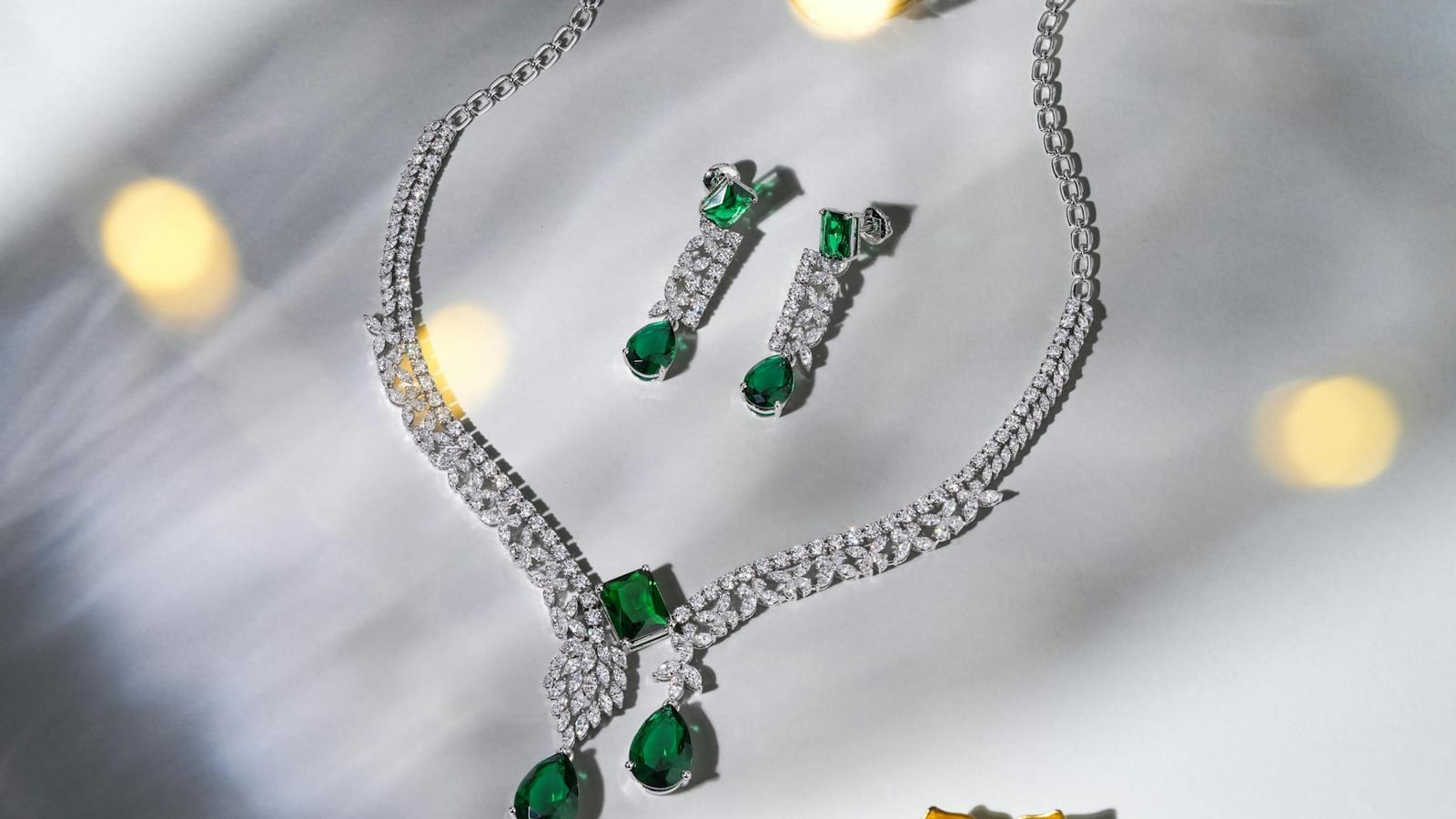
A billionaire’s diamonds went viral, but the internet cared more about the word “mom”.
That is the funny thing about luxury today. You can have emeralds, couture, cameras, and a global red carpet. Yet one unscripted family moment can travel faster than the fashion itself.
At this year’s Met Gala, Isha Ambani drew attention for a short behind-the-scenes clip. In it, she pointed to her jewellery and repeated “mom” with obvious pride. The jewels, she said, belonged to her mother, Nita Ambani.
A luxury moment turns personal
On paper, this was a classic high-fashion moment. A business family scion attended one of the world’s most watched fashion events. The outfit, jewellery, styling, and red-carpet timing all mattered.
But the clip did not travel because people wanted a gemology lesson. It travelled because Isha Ambani sounded like any daughter raiding her mother’s cupboard before a big day.
That is what changed the mood. The internet stopped looking at the diamonds as only luxury goods. People began reading them as family memory, inheritance, and affection.
In India, that feeling lands easily. Jewellery is rarely just jewellery here. It carries weddings, savings, family stories, and sometimes quiet power. A mother’s necklace can mean more than its price.
Why the internet picked this
Social media loves polish, but it rewards surprise. The clip felt unplanned. It did not look like a brand campaign trying to squeeze emotion from a calendar day.
That mattered because Mother’s Day had already filled feeds with old photos and polished captions. This clip gave people something lighter. It was stylish, funny, and sentimental without trying too hard.
Creators quickly copied the gesture. Some pointed at their mothers’ wedding jewellery. Others pulled out old silk saris, handbags, bindis, sunglasses, or oxidised earrings.
The joke worked because the emotional truth was simple. Many people have wanted something from their mother’s wardrobe. Sometimes for style. Sometimes for comfort. Sometimes because it feels like carrying home with you.
For a young professional in Mumbai or Bengaluru, that could be a sari saved for festivals. For a small-town college student, it could be a handbag from the 1990s. The item may be modest, but the emotion is familiar.
The business of authenticity
For luxury brands, this is the part worth watching closely. The most effective moment at a high-fashion event did not come from a planned product push. It came from family context.
That is not a small thing. Fashion houses spend heavily to control image. They manage access, lighting, captions, partnerships, and red-carpet placement. But audiences now scan for what feels real.
When a moment looks too perfect, viewers scroll past it. When it feels human, they stop. This is why an informal clip can beat a glossy campaign in public memory.
There is also a sharper business lesson here. Luxury no longer sells only status. It sells story. A jewel linked to a mother can feel richer than a jewel linked only to a price tag.
That does not make the luxury market simple or innocent. These are still rare goods, worn in rare spaces, by people with rare access. But social media softens the distance when it finds a human hook.
For Reliance Industries Limited, the Ambani family has long been more than a corporate name. Its public image sits across business, philanthropy, sport, retail, weddings, and fashion. Moments like this add another layer to that image.
A familiar Indian inheritance
Indian families understand the emotional weight of objects. A mother’s cupboard is often a private museum. It can hold saris from old weddings, gold bought in better years, and gifts saved with care.
That is why this trend did not need much explanation. People knew the feeling at once. The item may be expensive in one home and ordinary in another. The memory does the real work.
The clip also touched a broader change in how people show family online. Earlier, Mother’s Day posts often followed a fixed script. A childhood photo. A long caption. A thank-you note.
This year, the “mom, mom, mom” format made the emotion more playful. It let people show love through objects, humour, and imitation. That made it easier to join in.
For creators, it was ready-made content. For audiences, it was easy to understand. For platforms, it had the perfect mix: celebrity, fashion, family, and repeatable action.
But there is a quiet class divide too. Not everyone has heirloom jewellery or designer pieces at home. Many users turned the trend into comedy by pointing at everyday things. That made it more democratic.
A dabba of food, an old sari, a handbag, or even a pair of sunglasses could carry the same punchline. The luxury was no longer only about money. It became about belonging.
What brands should learn
The old rule said aspiration must look distant. The new rule says aspiration works better when it feels reachable.
That does not mean every brand should chase family emotion. Audiences can smell a forced campaign quickly. If a company tries to manufacture this exact feeling, it may look hollow.
The better lesson is simpler. People connect with context. They want to know who wore something, where it came from, and why it matters.
This is especially true in India’s premium market. Young consumers may admire global fashion. But they still respond strongly to family, festivals, weddings, and inherited taste.
For jewellery brands, that is a clear signal. The next buyer may not only ask about carats. She may ask whether the piece can become part of a family story.
For fashion labels, it shows the value of cultural memory. A sari, a necklace, or a bindi can travel online when people see themselves in it.
And for celebrities, the message is even sharper. A candid moment can do more for public warmth than a perfectly staged appearance.
The Ambani clip worked because it made a global luxury stage feel oddly domestic. One minute, it was Met Gala glamour. The next, it was a daughter proudly saying the best part of her look came from her mother.
That is why the moment stayed. Not because everyone could relate to the diamonds. Most people cannot. But almost everyone understands the small thrill of wearing something that carries a mother’s touch.