Isha Ambani's Met Gala jewellery tribute goes viral
A behind-the-scenes Met Gala clip of Isha Ambani crediting Nita Ambani for her diamonds and emeralds gained traction around Mother's Day.
A billionaire’s diamonds got attention. Her shout-out to her mother got the internet.
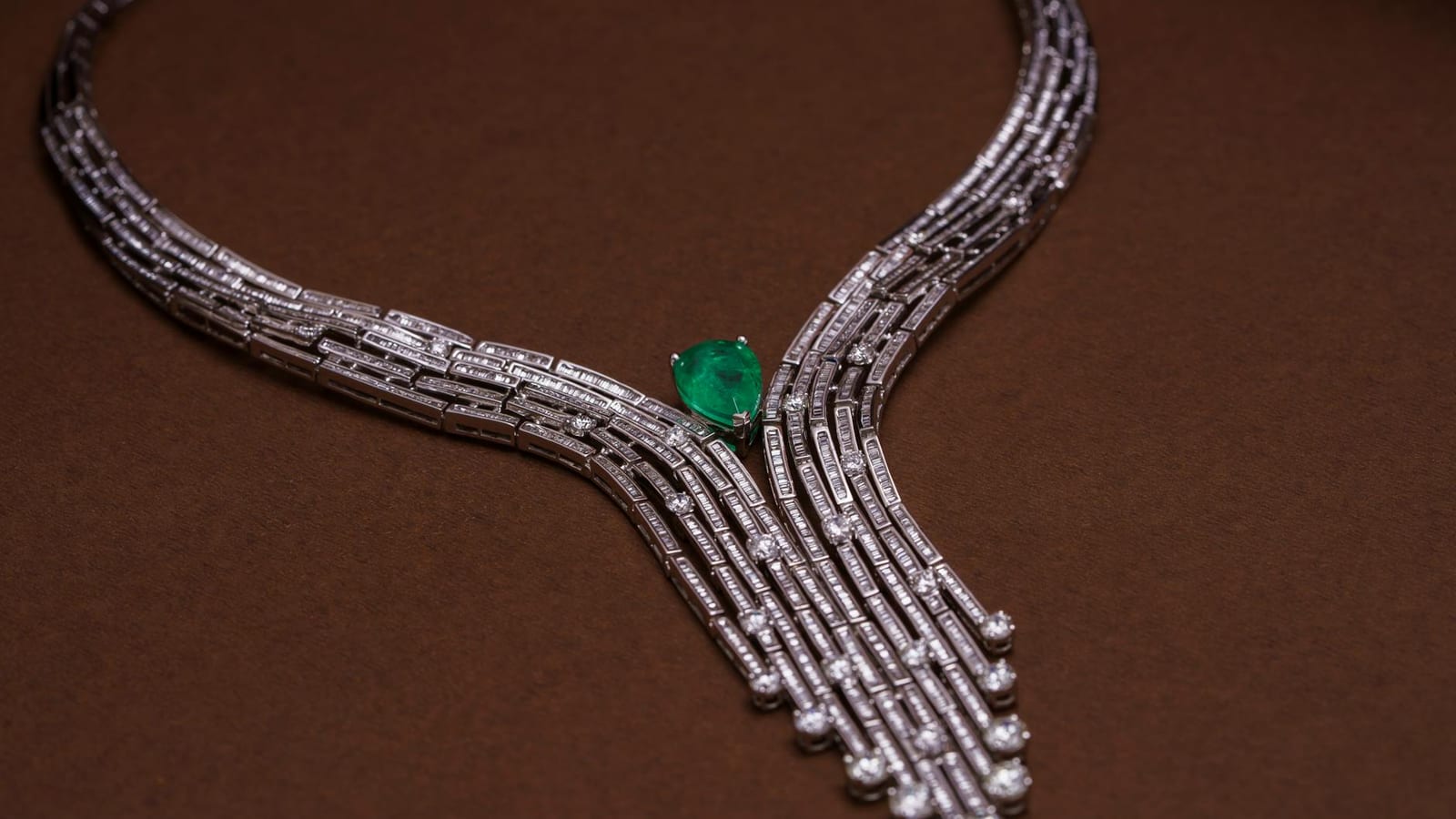
At the 2026 Met Gala, Isha Ambani wore jewels that could easily have stayed inside the usual luxury conversation. But a short behind-the-scenes clip changed the mood. She pointed at her jewellery and, with childlike delight, credited her mother.
That simple “mom, mom, mom” moment travelled faster than any polished red-carpet pose. Around Mother’s Day, it became less about couture and more about something deeply familiar. Many Indians know that feeling of wearing something borrowed from a mother’s cupboard.
A luxury moment turns personal
The Met Gala usually runs on spectacle. Designers, stylists, rare stones, dramatic gowns, and global celebrities all compete for the same few seconds of attention.
But this clip worked because it stepped outside that script. Isha Ambani said the diamonds and emeralds she wore belonged to Nita Ambani. The internet heard not a luxury flex, but a daughter’s pride.
That distinction matters. Expensive jewellery can feel distant, even cold. A mother’s jewellery, however, carries memory. It reminds people of weddings, festivals, lockers, old velvet boxes, and careful warnings to “keep it back properly.”
For many viewers, the value was not only in the stones. It was in the handover. In Indian homes, jewellery often moves quietly between generations. It marks trust, status, sentiment, and family history.
That is why the video found a much wider audience. It turned high fashion into a household emotion. The setting was global, but the feeling was very Indian.
Why the internet loved it
Social media does not always reward perfection now. In fact, it often punishes it. People scroll past over-produced content because they can smell the planning.
This clip felt different. It did not look like a campaign brief. It looked like a genuine moment before or after the staged glamour. That made it easier to share, imitate, and laugh with.
Creators quickly picked up the gesture. Some pointed to their mother’s wedding jewellery. Others showed vintage saris, handbags, bindis, earrings, sunglasses, and old wardrobe treasures.
The joke also travelled well. Many creators treated their mother’s possessions like a luxury archive. One person’s diamond necklace became another person’s silk sari. Another person’s heirloom became a steel dabba of homemade food.
That is the charm of the trend. It allowed both emotion and comedy. People could be sentimental without sounding too heavy. They could be funny without mocking the bond.
For platforms, that mix is gold. A trend spreads faster when ordinary people can join it cheaply. You do not need emeralds. You need a mother, a memory, and a camera.
The business behind softness
There is a business lesson here, though it sits under the emotion. Luxury brands spend enormous sums trying to make rare objects feel meaningful.
This moment did that without a campaign film. It gave jewellery a story. More importantly, it placed the story inside family, not status.
That is powerful in India’s luxury market. Wealthy consumers buy for design and rarity, yes. But Indian buyers also care deeply about inheritance, family approval, and occasion. A jewel is rarely just a jewel.
For Reliance Industries Limited, the Ambani family already operates in a public zone where business, culture, philanthropy, fashion, and celebrity overlap. The family’s visibility often shapes attention far beyond boardrooms.
This clip shows how soft power works today. It does not always arrive through speeches or product launches. Sometimes it comes through a casual family reference at a global event.
That does not mean every viral moment has a balance-sheet impact. It rarely works so directly. But it does shape public memory. It builds familiarity around people who also sit near India’s biggest business conversations.
For luxury houses, influencers, and consumer brands, the signal is clear. People are tired of cold aspiration. They respond better when wealth meets warmth.
Mothers, memory and modern status
Mother’s Day feeds usually fill up with old photos and emotional captions. This year, the “mom, mom, mom” format gave people a new grammar.
It was stylish, but not stiff. It was emotional, but not preachy. It let people celebrate mothers through objects they actually recognise.
In India, mothers often preserve things for years. A silk sari from a wedding. A gold bangle bought after careful saving. A handbag used only on special visits. A pair of earrings wrapped in cotton.
These objects carry stories that families may not write down. They sit in cupboards, but they also hold ambition, sacrifice, and taste. When a daughter wears them, she carries more than style.
That is why the trend clicked across income levels. The Ambani version had rare jewels. The public version had whatever mothers had saved, protected, cooked, stitched, or loved.
There is also a sharper point here. Modern status is changing. Young audiences still notice luxury, but they want context. They ask who made it, who owned it, and what it means.
A flawless diamond can impress. A diamond linked to a mother can travel further. That is not sentimentality. That is how culture attaches meaning to money.
What brands should notice
The viral moment also tells brands what not to overdo. Audiences can spot manufactured softness. They know when a brand is trying too hard to look human.
The reason this worked was its loose energy. It did not ask viewers to admire wealth. It invited them to recognise a feeling.
That is a small but important difference. In a crowded attention economy, recognition beats display. People share what reflects their own lives, not only what looks expensive.
For creators, the trend was easy to adapt. For viewers, it was easy to understand. For brands, it is a reminder that the best emotional hooks often come from real behaviour.
The next wave of luxury storytelling in India may not be only about price. It may be about provenance, family, memory, and the everyday rituals around precious things.
That is where ordinary readers fit into this story. Most people will never walk the Met Gala carpet. But many have opened a mother’s cupboard and felt history staring back. In that small act, the distance between celebrity glamour and home life suddenly becomes much shorter.