Isha Ambani's Met Gala jewellery clip puts Nita Ambani in focus
A viral Met Gala clip showed Isha Ambani crediting Nita Ambani's jewellery, turning a luxury fashion moment into a Mother's Day talking point.
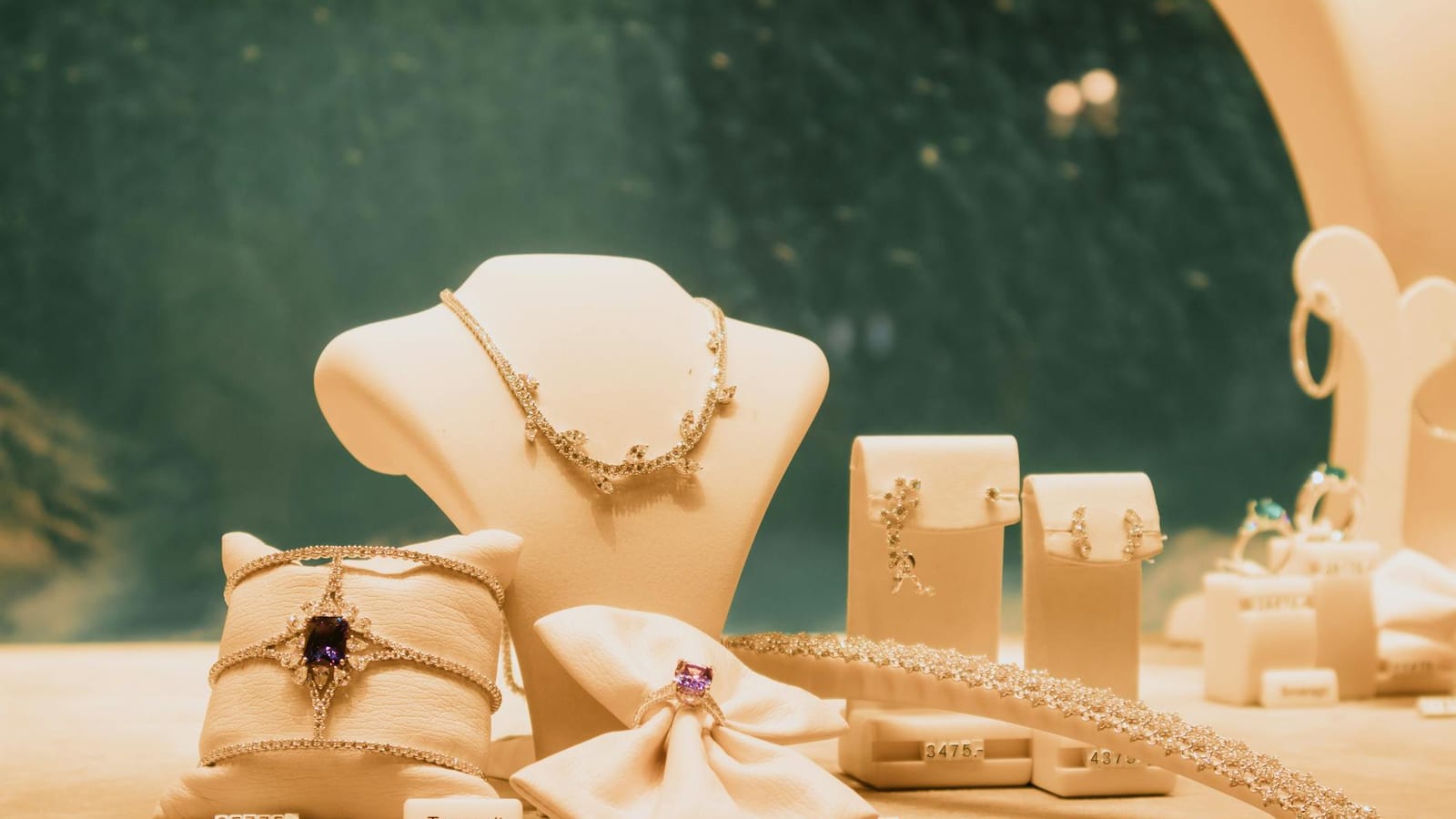
At a fashion event built for diamonds, cameras and careful image-making, one unscripted word won the internet: mom.
Isha Ambani had arrived at the Met Gala in high jewellery and couture. But the clip people kept replaying was not about the price tag. It was about her pointing to her jewellery and saying, with childlike pride, “Mom, mom, mom.”
The jewels belonged to Nita Ambani. That one detail changed the mood of the moment. Suddenly, this was not just billionaire glamour. It became a very Indian feeling, wearing something from your mother’s cupboard and treating it like treasure.
A luxury moment turns personal
The Met Gala usually runs on spectacle. Designers, stylists and celebrities build looks for months. Every necklace, train and pose has a purpose.
But this clip worked because it felt unplanned. Isha was not explaining a fashion brief. She was showing off something her mother owned.
That is why the moment travelled so fast. People did not need to know the jewellery value. They understood the emotion instantly.
In many Indian homes, a mother’s sari, bangle, handbag or wedding necklace carries more than style. It carries memory, status, sacrifice and family history.
For young women, especially, wearing something from their mother often feels like borrowing confidence. The item may be expensive, modest or old. The feeling remains the same.
Why the internet grabbed it
The timing helped. The clip surfaced around Mother’s Day, when social media was already full of family photos and emotional posts.
But this trend did not feel like another polished greeting-card post. It had humour, fashion and warmth in one neat package.
Creators quickly began copying Isha’s gesture. Some pointed at their mother’s wedding jewellery. Some brought out vintage saris. Others used bindis, handbags, earrings and sunglasses.
A few made the joke even more Indian. Their mother’s “luxury collection” was not diamonds. It was food, silk saris, carefully saved accessories or objects kept in cupboards for years.
That is the real reason the trend worked. It allowed everyone to join, not just the rich.
A creator did not need emeralds to make the point. A mother’s old dupatta could do the job. So could a pair of oxidised earrings from a local market.
The business behind authenticity
For brands, this is the part worth watching closely. The internet ignored the most expensive part of the look and rewarded the most human part.
That says something about luxury marketing today. Audiences still like glamour, but they trust emotion more than perfection.
A red-carpet look can create attention. A relatable family moment can create participation. There is a big difference between the two.
Attention stays with the celebrity. Participation spreads through ordinary users, creators and customers.
This is why luxury houses, jewellery brands and fashion labels chase “authentic” moments so hard. But audiences can usually smell when authenticity has been packaged too neatly.
Here, the charm came from the opposite. The clip felt casual. It did not look designed to become a campaign.
That makes it more powerful. It showed how family memory can make even high jewellery feel less distant.
For Indian consumers, jewellery has always been emotional capital. Families buy it for weddings, festivals and security. Mothers pass it down with stories attached.
So when Isha linked her Met Gala jewels to her mother, she tapped into something very familiar. The scale was elite. The emotion was not.
What this says about Indian families
The clip also says something about how Indians look at inheritance. We often speak of inheritance as property, shares or wealth.
But in daily life, inheritance is also a cupboard full of memories. It is a sari kept in tissue paper. It is a chain worn only on special days.
It is also the quiet pride of saying, this came from my mother.
That feeling cuts across income groups. A family may not own diamonds. But it may still preserve a mother’s wedding sari for decades.
In smaller towns and big cities alike, these objects carry stories children know by heart. Who wore it first. Which function it came from. Why it matters.
The viral trend worked because it let people perform that memory online. It gave them a stylish format for an old emotion.
It also let mothers become visible in a culture that often hides their labour. A mother may not appear on a red carpet. But her taste, savings and care shape what families value.
A sharper lesson for brands
The business lesson is simple, but many companies miss it. People do not share products as products. They share meaning.
A necklace becomes interesting when it carries a relationship. A sari becomes content when it carries history. A handbag becomes funny when it belongs to a mother who still guards it fiercely.
That is why this viral moment matters beyond celebrity culture. It shows how quickly consumers move from display to emotion.
For marketers, the trap will be obvious. Many will try to manufacture similar “mother’s cupboard” campaigns next year.
Some may work. Many will feel forced.
The internet rewards real texture. It likes small imperfections, personal details and jokes people recognise from home.
This is especially true in India, where family remains central to buying choices. Jewellery, fashion and beauty are rarely individual categories here. They sit inside weddings, festivals, status and memory.
Isha Ambani’s clip landed because it joined that wider Indian language. It did not need a long caption. One repeated word did the work.
The bigger point is not that a celebrity wore her mother’s jewellery. The bigger point is that millions understood why that mattered.
For ordinary readers, that is the gentle takeaway. The most valuable thing in a family cupboard may not be the costliest piece. It may be the one that still carries someone’s voice.