Isha Ambani's Met Gala Jewellery Clip Becomes Mother's Day Trend
Isha Ambani's Met Gala clip highlighting jewellery from Nita Ambani struck an emotional chord online and became a Mother's Day trend.
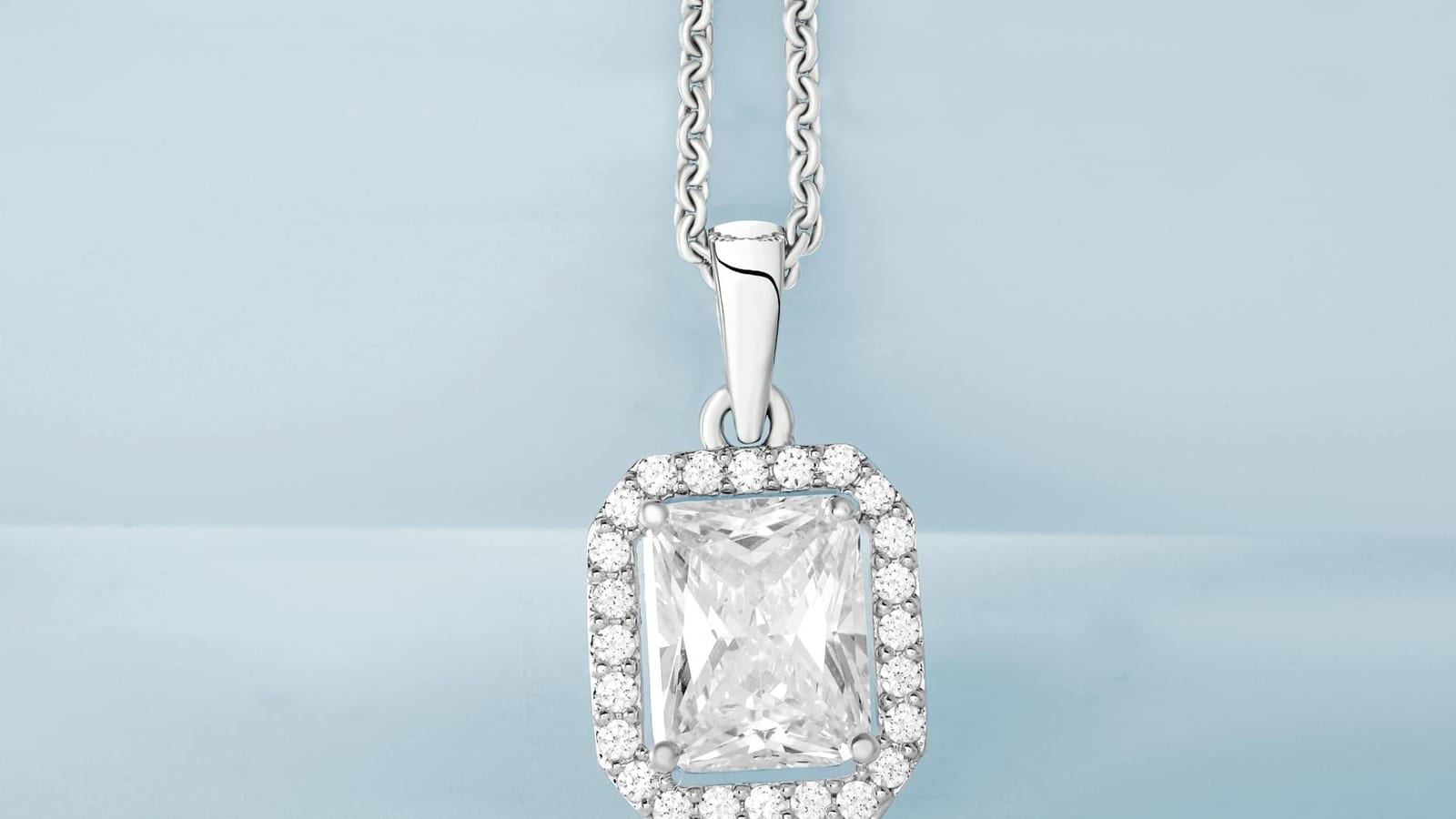
A diamond necklace can cost a fortune. But sometimes, the story people remember is simpler.
At this year’s Met Gala, Isha Ambani walked into the internet’s softer corner without trying too hard. In a short behind-the-scenes clip, she pointed to her jewellery and said it came from her mother.
That was enough. The phrase “Mom, mom, mom” turned into a Mother’s Day trend, because India understood the emotion instantly.
A luxury moment turned personal
The Met Gala usually sells spectacle. Big designers, bigger jewels, sharper cameras. Everything looks planned down to the last hairpin.
But this clip worked because it did not feel planned. Isha was not explaining a brand strategy. She sounded like a daughter showing off something precious.
The jewellery, she indicated, belonged to Nita Ambani. That changed the internet’s reading of the look.
Suddenly, the diamonds and emeralds were not just luxury pieces. They became something far more Indian: a mother’s collection, worn with pride by her daughter.
That emotion travels faster than any fashion caption. Many Indian families know this feeling well.
A mother’s sari, wedding bangles, old handbag, or even a careful bindi box can hold decades of memory. The price may differ wildly. The feeling often does not.
Why the internet picked it up
The clip arrived around Mother’s Day, when social media was already full of old photographs and emotional posts.
But this trend felt lighter, funnier, and more shareable. Creators began copying the gesture. They pointed to their own mother’s things and repeated the same line.
Some pulled out wedding jewellery and silk saris. Others used handbags, oxidised earrings, sunglasses, bindis, and everyday objects from home.
That is where the trend found its real strength. It allowed people to join without needing wealth, couture, or celebrity access.
A young creator could turn her mother’s old sari into content. Another could jokingly claim her mother’s cooking as the real luxury collection.
The emotion stayed the same. Mothers leave behind memory through objects, habits, recipes, and small acts of care.
For Indian audiences, this is not abstract nostalgia. Many wardrobes still carry carefully folded saris marked for weddings. Many lockers hold jewellery meant for daughters.
The business of being real
For a family tied closely to Reliance Industries Limited, public appearances rarely stay only personal.
Every image gets read through wealth, influence, fashion, and business power. That is the price of being part of India’s most watched corporate household.
But this clip did something interesting. It softened the frame without a press note or campaign.
In brand terms, that matters. Audiences have grown tired of perfect celebrity content. They can spot rehearsed emotion very quickly.
Here, the appeal came from a small, unpolished moment. It showed excitement, family pride, and a touch of innocence.
That is why the clip travelled beyond fashion pages. It became part of a wider conversation about authenticity online.
For luxury brands, this is a useful lesson. Expensive items still need stories. Without meaning, even diamonds become another scrollable image.
With meaning, the same jewellery becomes a family object. It carries history, status, affection, and inheritance in one frame.
That is exactly why Indian consumers respond strongly to heirloom language. Jewellery is rarely just decoration here. It is savings, sentiment, and social memory.
What the trend says about India
This viral moment also says something about the changing internet in India.
People still enjoy glamour. They still watch red carpets and celebrity wardrobes. But they respond more warmly when glamour feels human.
The most powerful posts now often sit between aspiration and relatability. They show something far away, then connect it to home.
Isha’s Met Gala look belonged to a rarefied global stage. Yet the emotion behind it felt familiar inside Indian homes.
That is why creators could adapt it so easily. They did not need the same jewellery. They only needed the same feeling.
For small fashion creators, this also creates opportunity. A trend like this can revive interest in vintage saris, family jewellery, and personal styling.
For jewellery brands, it points to a sharper truth. Customers do not only buy shine. They buy continuity, memory, and the idea of passing something on.
For platforms, it proves again that unscripted content can beat polished production. The internet rewards speed, humour, and emotional clarity.
There is also a gentle caution here. Not every family has heirlooms. Not every mother can pass on jewellery or saris.
But the trend worked because it stretched beyond expensive objects. It allowed people to celebrate whatever their mothers had preserved.
Sometimes that is a gold set. Sometimes it is a cotton sari. Sometimes it is a recipe, a handbag, or a habit of saving everything carefully.
That is the Indian middle-class thread running through the clip. Mothers often store value quietly, then children discover it years later.
The bigger point is not that Isha Ambani wore beautiful jewellery. Everyone expected that at the Met Gala.
The bigger point is that a global luxury moment became a domestic memory. It reminded people that objects become valuable when they carry someone’s care.
As more brands and celebrities chase viral success, this clip offers a simple lesson. The internet may love spectacle, but it remembers feeling.