Isha Ambani Met Gala jewellery clip wins internet
Isha Ambani's Met Gala appearance drew attention after a backstage clip showed her crediting mother Nita Ambani for the jewellery she wore.
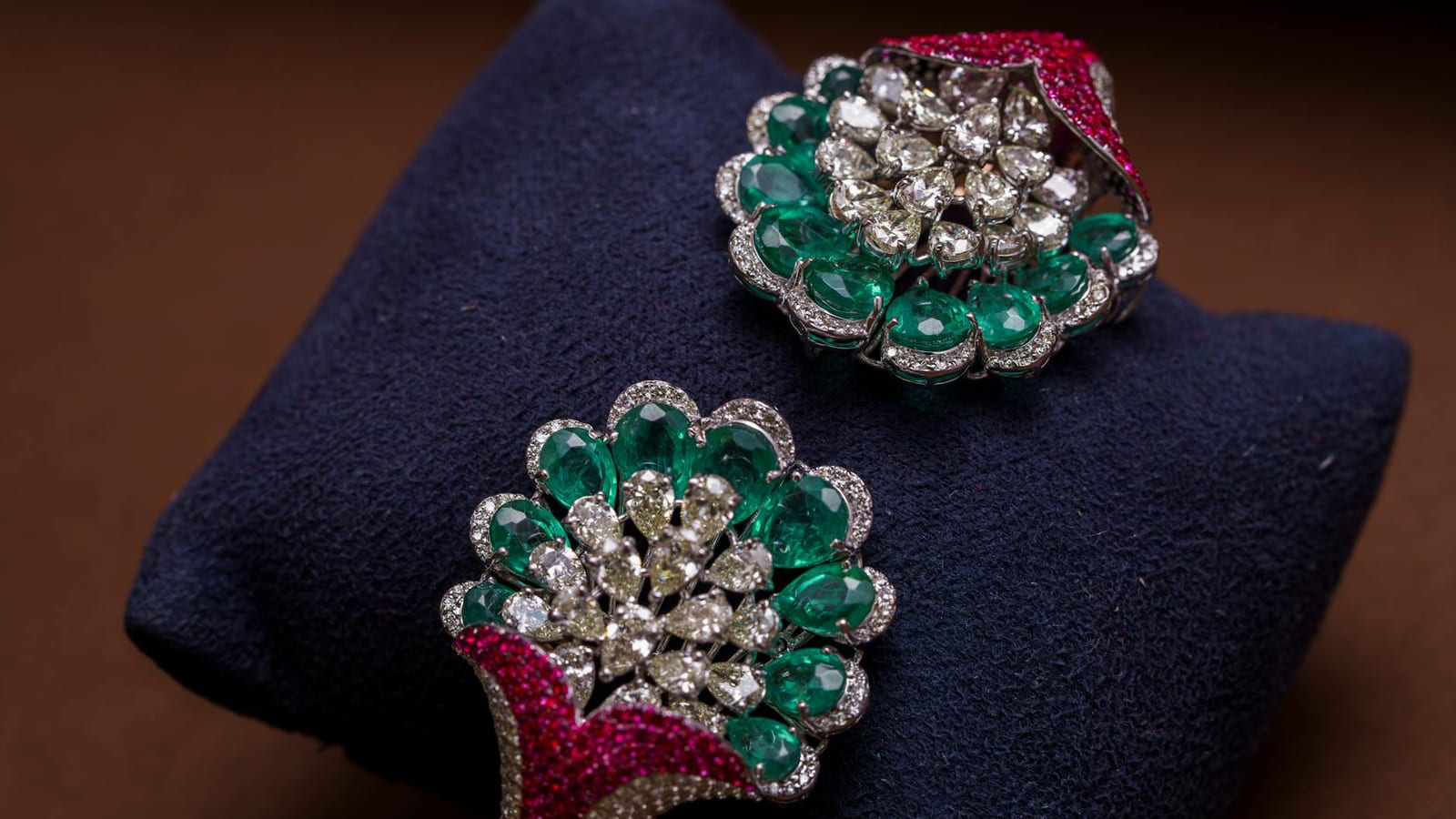
A billionaire heiress wore her mother’s jewellery, pointed at it, and said “mom” three times. That was enough to beat diamonds at their own publicity game.
At this year’s Met Gala, Isha Ambani had the gowns, the gems, and the global cameras. Yet the clip that travelled fastest was not a polished fashion pose. It was a small backstage moment where she proudly showed that her jewellery belonged to her mother.
That mother, of course, is Nita Ambani. But the reason the video worked was not only fame. It worked because almost every Indian home understands this emotion.
A luxury moment turned personal
The Met Gala usually runs on spectacle. Designers chase drama. Celebrities chase the perfect frame. Luxury houses chase the next morning’s headlines.
This time, the internet picked a softer moment. Isha pointed to her diamonds and emeralds and kept saying “mom”. The message was simple. The jewels were not just expensive. They carried a family story.
That changed how people read the look. Viewers stopped seeing only rich-person glamour. They saw a daughter wearing something that came from her mother’s cupboard.
In India, that idea lands instantly. A mother’s jewellery is rarely just jewellery. It can be memory, status, savings, ritual, and inheritance, all packed into one velvet box.
For many families, even a modest chain or pair of earrings carries years of meaning. It may come out for weddings, festivals, or a daughter’s first big public day. That is why this clip travelled beyond fashion circles.
Why the internet grabbed it
The video also arrived close to Mother’s Day. That timing gave it another push. Social media was already full of old photos, soft captions, and family throwbacks.
But this clip had something many brand campaigns lack. It felt unplanned. Nobody seemed to be forcing a line. Nobody appeared to be selling a lesson about motherhood.
That matters in today’s internet economy. Audiences have grown tired of perfect posts. They can smell over-rehearsed emotion very quickly.
Here, the joy looked plain. Isha seemed genuinely excited to say the jewellery came from her mother. That small burst of pride did more than any caption could.
Creators soon picked up the gesture. Some pulled out their mothers’ wedding jewellery. Others wore old silk saris, bindis, handbags, sunglasses, or oxidised earrings.
Some posts were emotional. Some were funny. A few joked about claiming their mother’s “luxury collection”, even when that meant a treasured sari or a much-guarded handbag.
That is how a rich-family fashion moment became a mass internet trend. People copied the feeling, not the price tag.
What brands should notice
For business, this is a neat lesson in attention. Luxury brands spend huge money making things look rare. But the internet often rewards things that feel familiar.
The jewellery in Isha’s look may sit far outside most household budgets. Still, the emotional code was common. Borrowing from one’s mother is a very Indian act.
That is why the clip crossed class lines. It turned wealth into a story people could understand. Not everyone can access high jewellery. Most people understand a mother saving something special for her child.
For luxury houses, this is valuable. The Indian luxury consumer is not only buying shine. She is buying family meaning, social memory, and a sense of continuity.
That also explains why heirloom pieces hold such power here. New money may buy the latest design. Old family pieces carry a different weight. They say someone before you wore this, saved this, and passed it on.
This is also useful for fashion labels and jewellery brands chasing young Indian buyers. The next generation does not reject tradition. It often wants tradition with a personal caption.
That is a different market from the old showroom pitch. A necklace is no longer only about cut, clarity, and carat. It is also about who owned it before, and why it matters now.
The Ambani effect online
The Ambani name brings its own force. Anything linked to the family draws instant attention, whether it is a wedding, business move, or fashion appearance.
Isha Ambani also sits at an interesting crossing point. She belongs to India’s most watched business family, linked with Reliance Industries Limited. But she also appears in spaces shaped by fashion, retail, and culture.
That makes a moment like this more than celebrity chatter. Reliance has deep interests in retail and consumer brands. The Ambani family understands visibility, aspiration, and scale better than most.
Still, the clip did not work because it felt like strategy. It worked because it felt slightly unguarded. That is the strange rule of modern fame. The most valuable moments often look least managed.
For creators, this trend was easy to join. It did not need a designer gown or diamond set. It needed one object linked to a mother, and a quick joke or memory.
That gave ordinary users a way into a global fashion conversation. A young professional could film a reel with her mother’s old sari. A college student could show a borrowed bindi. A small creator could turn family nostalgia into shareable content.
The trend also shows how Indian audiences mix emotion with humour. They can admire luxury and laugh at it in the same breath. They can copy a billionaire’s gesture using a lunchbox, a dupatta, or a pair of old earrings.
That balance is why the clip lasted beyond one red-carpet cycle. It gave people permission to make the moment their own.
For ordinary readers, the real story is not the price of the jewellery. It is the way memory now moves through the internet. A mother’s old object can become content, but it can also remind families why they kept it safe. In a market obsessed with what is new, this little trend says something quietly powerful: the things we inherit still carry the strongest brand value.