Isha Ambani Met Gala jewellery clip charms fans online
Isha Ambani's backstage Met Gala clip, showing jewellery borrowed from Nita Ambani, became a Mother's Day talking point across social media.
A billionaire daughter pointed at her jewellery and said one word three times. The internet did the rest.
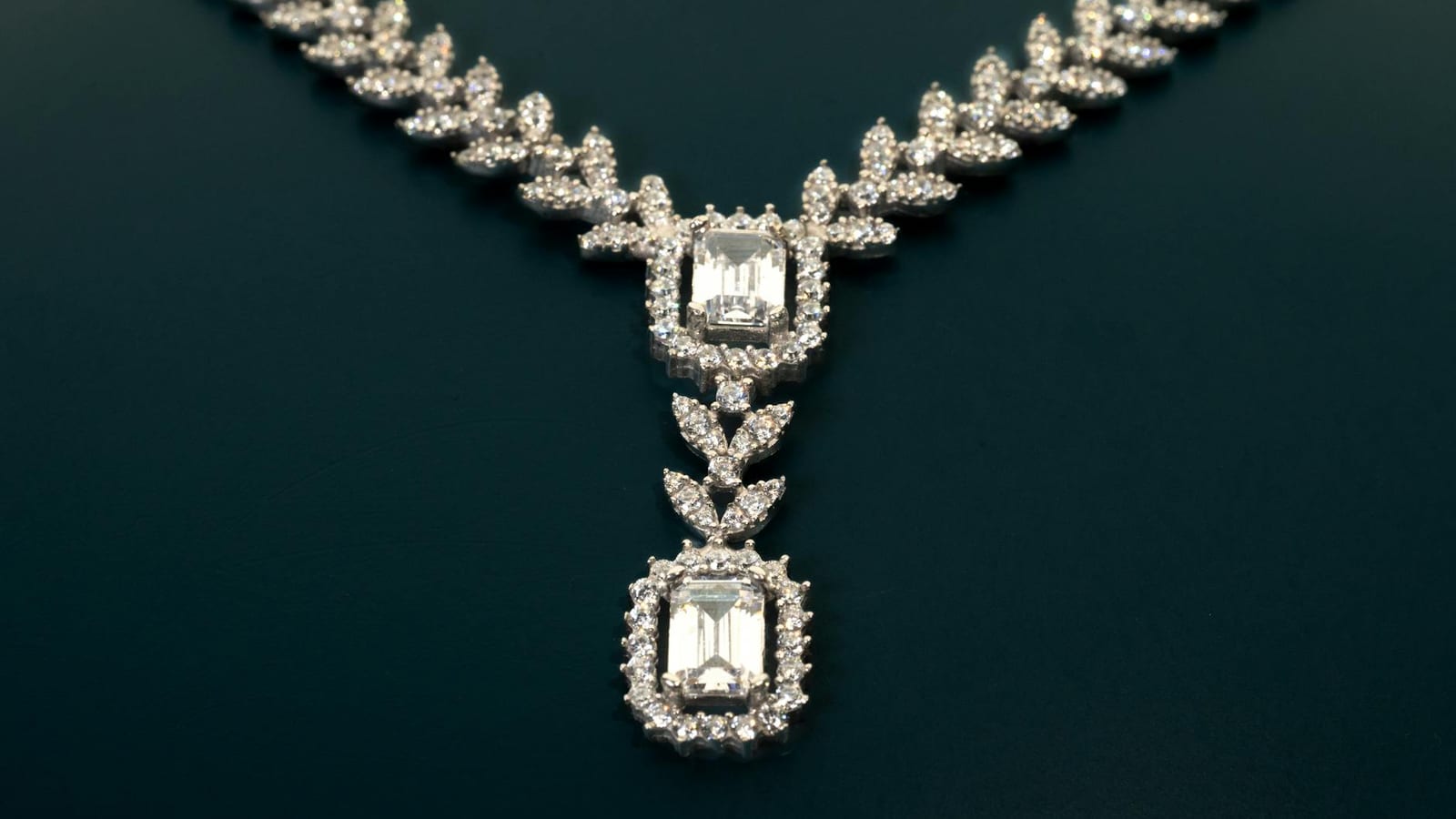
At this year’s Met Gala, Isha Ambani wore diamonds and emeralds that could stop a room. Yet the moment people remembered was not the price tag. It was her quick, delighted “mom, mom, mom,” as she said the pieces belonged to Nita Ambani.
That small backstage clip landed just around Mother’s Day. Suddenly, the world’s most polished fashion event became a very Indian family moment.
A luxury moment turns personal
The Met Gala usually rewards spectacle. Designers chase drama. Celebrities pose like museum pieces. Brands count every camera angle.
But this video worked because it felt unplanned. Isha was not giving a speech about heritage. She was doing something far more familiar. She was showing off something borrowed from her mother.
That is why the clip travelled beyond fashion pages. Many Indians understood the emotion instantly.
In countless homes, a mother’s cupboard is not just storage. It is a small private archive. There are wedding bangles, silk saris, old sunglasses, bindis, handbags, and jewellery saved for “good occasions.”
Isha’s jewels live in a different financial universe. Most families will never handle pieces like those. Still, the feeling behind the clip felt recognisable.
For many daughters, wearing a mother’s sari or necklace carries a quiet thrill. It says, “I belong to this story too.”
Why the internet picked it up
Social media does not always reward perfection now. It often rewards a crack in the polished surface.
That is exactly what happened here. The Met Gala gave viewers global glamour. The viral clip gave them a human reflex.
Creators quickly turned the moment into a trend. Some pointed at their mother’s wedding jewellery. Some showed old saris. Others joked about claiming their mother’s “luxury collection,” from handbags to kitchen specials.
The humour worked because it did not mock the original moment. It widened it.
A creator in a small town may not have emeralds. But she may have her mother’s old silk sari, wrapped in newspaper for years. Another may have oxidised earrings from a college-day memory. Someone else may have a handbag that comes out only during weddings.
That is the real engine of the trend. It lets people place their own family history inside a celebrity template.
In marketing language, this is called relatability. In normal language, people saw a rich person behaving like a daughter.
The business behind the emotion
There is also a sharp business lesson here. Luxury brands spend crores trying to create desire. Yet this moment became powerful because it shifted attention from ownership to inheritance.
That matters in India.
Our luxury market does not run only on new purchases. It also runs on family assets, wedding gold, heirloom jewellery, and status passed across generations.
A necklace is rarely just a necklace here. It can mean a wedding, a mother’s sacrifice, a father’s promotion, or a family’s social rise.
This is why the Ambani clip found a second life online. It connected high fashion with a deeply Indian habit of attaching memory to objects.
For brands, that is valuable territory. Consumers do not only buy products. They buy meaning, recognition, and a story they can repeat.
But there is a catch. The internet can smell forced emotion quickly. A staged campaign with the same idea may not travel as far.
This clip had the charm of a private aside. That made it more useful than a scripted brand film.
What creators understood fast
Indian creators are very quick at spotting reusable emotion. They know when a moment can become a format.
Here, the format was simple. Point at something. Say it belongs to your mother. Let the audience fill in the feeling.
That made the trend easy to copy across languages, classes, and cities.
It also allowed different tones. Some posts leaned emotional. Others went full comedy. Both worked because the base idea was strong.
For small creators, such trends are not just fun. They are also business opportunities. A viral reel can bring followers, brand deals, and higher visibility.
This is now part of India’s creator economy. A celebrity moment becomes raw material. Thousands of users remix it into local, funny, emotional content.
The Ambani name gave the trend initial lift. But the mothers gave it staying power.
Glamour meets family memory
There is a reason this story sits oddly but neatly between business, fashion, and family.
Isha Ambani belongs to India’s most watched corporate family. Every public appearance gets read through wealth, status, and influence. At the Met Gala, those readings became even sharper.
The jewellery drew attention because it was expensive. The clip spread because it felt intimate.
That contrast is the whole story.
India often looks at billionaires with a mix of awe, curiosity, and suspicion. People admire scale, but they also watch for distance. Moments like this reduce that distance for a short while.
Of course, relatability has limits. A viral clip does not erase inequality. It does not make luxury accessible. It does not make celebrity life ordinary.
But it does show how emotion can soften spectacle. Even the biggest displays need a human hook.
For ordinary readers, the takeaway is not about diamonds or designer gowns. It is about the strange value of things mothers keep. Some are costly. Many are not. But they carry memory, and memory is what people actually pass down. That is why one small “mom” moment from a global red carpet found its way into Indian cupboards, reels, jokes, and Mother’s Day posts.