Isha Ambani Met Gala Clip Puts Nita's Jewels in Focus
A Met Gala clip of Isha Ambani showing jewellery from Nita Ambani's collection went viral around Mother's Day, turning luxury into a family moment.
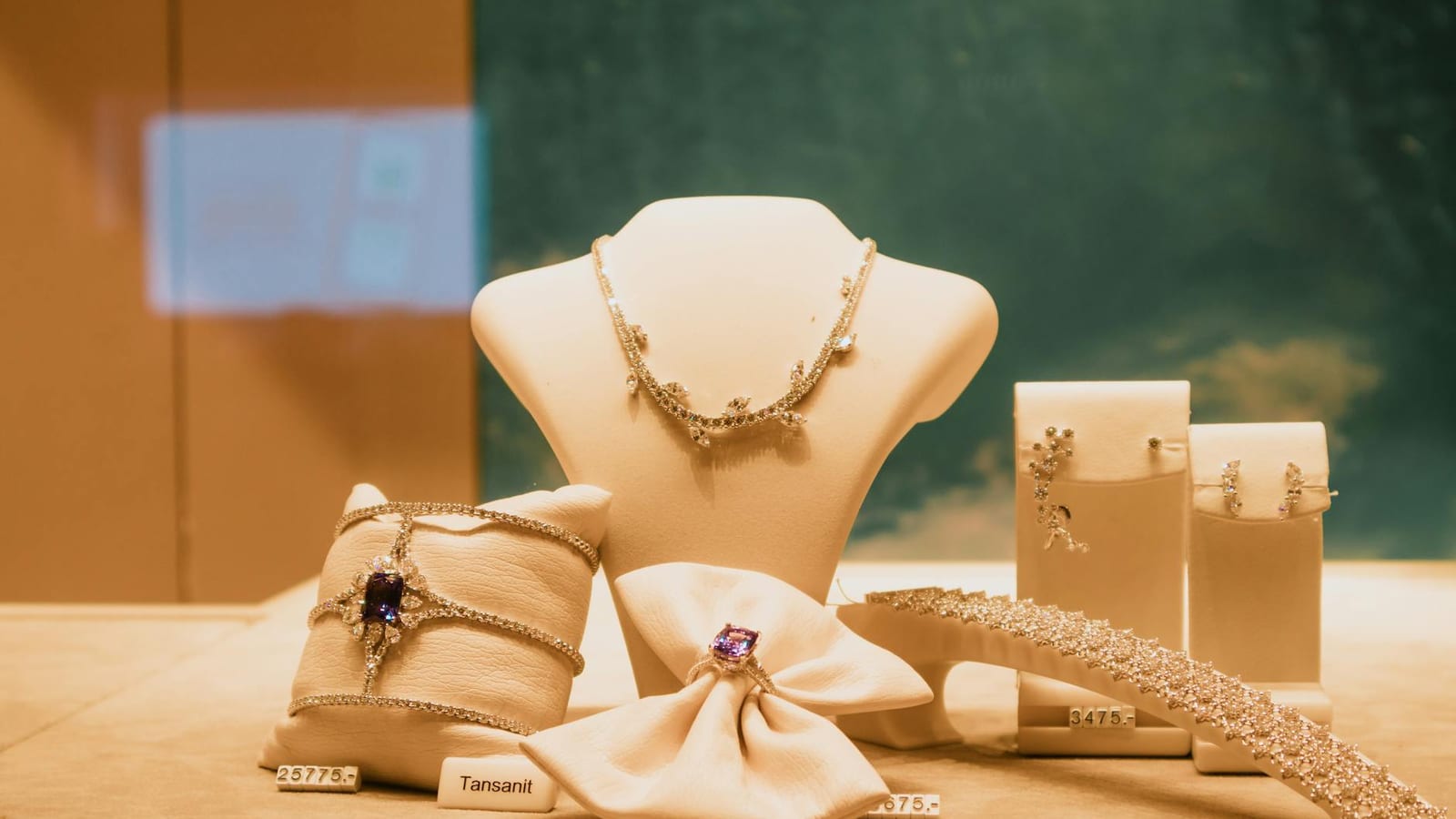
At the Met Gala, the most shared luxury moment was not a gown, a diamond, or a designer name. It was a daughter pointing at her jewellery and saying, with schoolgirl pride, “Mom, mom, mom.”
That daughter happened to be Isha Ambani. The mother was Nita Ambani. The setting was the Met Gala, fashion’s loudest global stage. But the emotion landed far beyond luxury circles.
The clip surfaced just before Mother’s Day, and that timing gave it wings. Maharashtra Times noted how the short behind-the-scenes video turned into one of the sweetest social media trends of the week.
A luxury moment turns personal
In the clip, Isha Ambani can be seen showing the jewellery she wore for the Met Gala. She points at the pieces and repeats that they belong to her mother.
That was the whole hook. No polished brand line. No careful speech. No long emotional caption.
For most viewers, the price of the jewels was not the point. The point was the feeling behind them. A daughter wearing something from her mother’s collection, and showing it off with open pride.
That is why the video travelled so fast. It made a billionaire family moment feel oddly familiar. Many Indian homes have some version of this emotion, even if the scale is different.
It may be a gold chain kept for weddings. It may be a silk sari wrapped in newspaper. It may be a handbag that comes out only for special days.
The object matters. But the memory matters more.
Why creators copied the format
Social media creators quickly picked up the rhythm of the clip. They copied the pointing gesture and the repeated “mom” line.
Some creators used their mother’s wedding jewellery. Others brought out old saris, bindis, handbags, oxidised earrings, sunglasses, or carefully saved accessories.
A few used humour. They treated their mother’s cupboard like a luxury vault. For many middle-class Indian families, that joke works because it is close to truth.
Every mother has one shelf nobody else touches. Every child knows which box holds the “special” things.
That made the trend easy to join. You did not need a red carpet. You did not need emeralds. You only needed something your mother had kept, loved, or passed down.
This is where the business angle becomes interesting. Luxury brands spend huge money trying to create emotional value. Here, one unscripted clip did it without effort.
The jewellery became more than jewellery. It became inheritance, memory, and family status, all at once.
Indian buying habits explain the buzz
India understands inherited luxury very well. Jewellery is not just fashion here. It is savings, sentiment, security, and social proof.
A gold set can sit in a locker for years. Then it appears at a wedding, a festival, or a family function. Everyone knows it carries a story.
That is why Isha Ambani’s moment felt bigger than a celebrity fashion clip. It touched a very Indian habit of linking family love with objects.
A mother’s jewellery is rarely just an accessory. It often marks a marriage, a festival, a big purchase, or a family milestone.
For young professionals, especially in cities, this carries another layer. Many now buy lighter jewellery, branded handbags, or designer pieces. But they still attach huge value to what came from home.
That gives luxury and jewellery companies a clear signal. Indian buyers do not only want shine. They want meaning they can explain to family.
A product that can move from mother to daughter has a different power. It is not bought for one evening. It becomes part of a family story.
Authentic clips beat polished campaigns
The clip also shows how online culture has changed. People still enjoy glamour. But they trust informal moments more than perfect ones.
A red carpet photo can impress. A small, candid video can connect.
This matters for brands, creators, and celebrity managers. The internet has become sharp at spotting overproduced emotion. Viewers scroll past it quickly.
But when a moment looks loose, warm, and unplanned, people stay with it. They remix it. They make it their own.
That is exactly what happened here. Creators did not merely share the clip. They translated it into their own homes.
Someone showed a vintage sari. Someone showed a bindi box. Someone pointed at a mother’s old sunglasses and made the same proud claim.
The result was not a luxury trend alone. It became a family trend with a fashion filter.
For jewellery brands, this is both useful and risky. Useful, because it shows the kind of emotion that sells. Risky, because the emotion cannot be manufactured easily.
Consumers know the difference between heritage and a sales pitch.
What this says about modern luxury
At one level, this is a small social media story. A famous daughter wore her mother’s jewellery. The internet found it sweet.
But at another level, it tells us something about modern luxury in India.
The old luxury pitch was simple. Bigger stone. Bigger logo. Bigger price. Bigger status.
The new pitch needs more than that. It needs a story people want to repeat.
In India, that story often begins at home. Mothers pass down taste, habits, savings lessons, jewellery boxes, recipes, and wardrobes.
That is why this trend worked across income groups. Not everyone owns diamonds or emeralds. But almost everyone understands the pride of saying, “This is my mother’s.”
For creators, the format was simple. For viewers, it was emotional. For brands, it was a reminder that family memory can be stronger than any campaign.
The smartest luxury players will watch this closely. Not to copy the line, but to understand the feeling.
Because the next big consumer story in India may not come from a showroom. It may come from a mother’s cupboard, opened carefully on a Sunday afternoon, while someone says with pride, this was hers first.