Imtiaz Jaleel Defends Nida Khan As Nashik FIR Row Widens
AIMIM leader Imtiaz Jaleel says Nida Khan remains only an accused in the Nashik FIR, pushing back as the conversion case turns political.
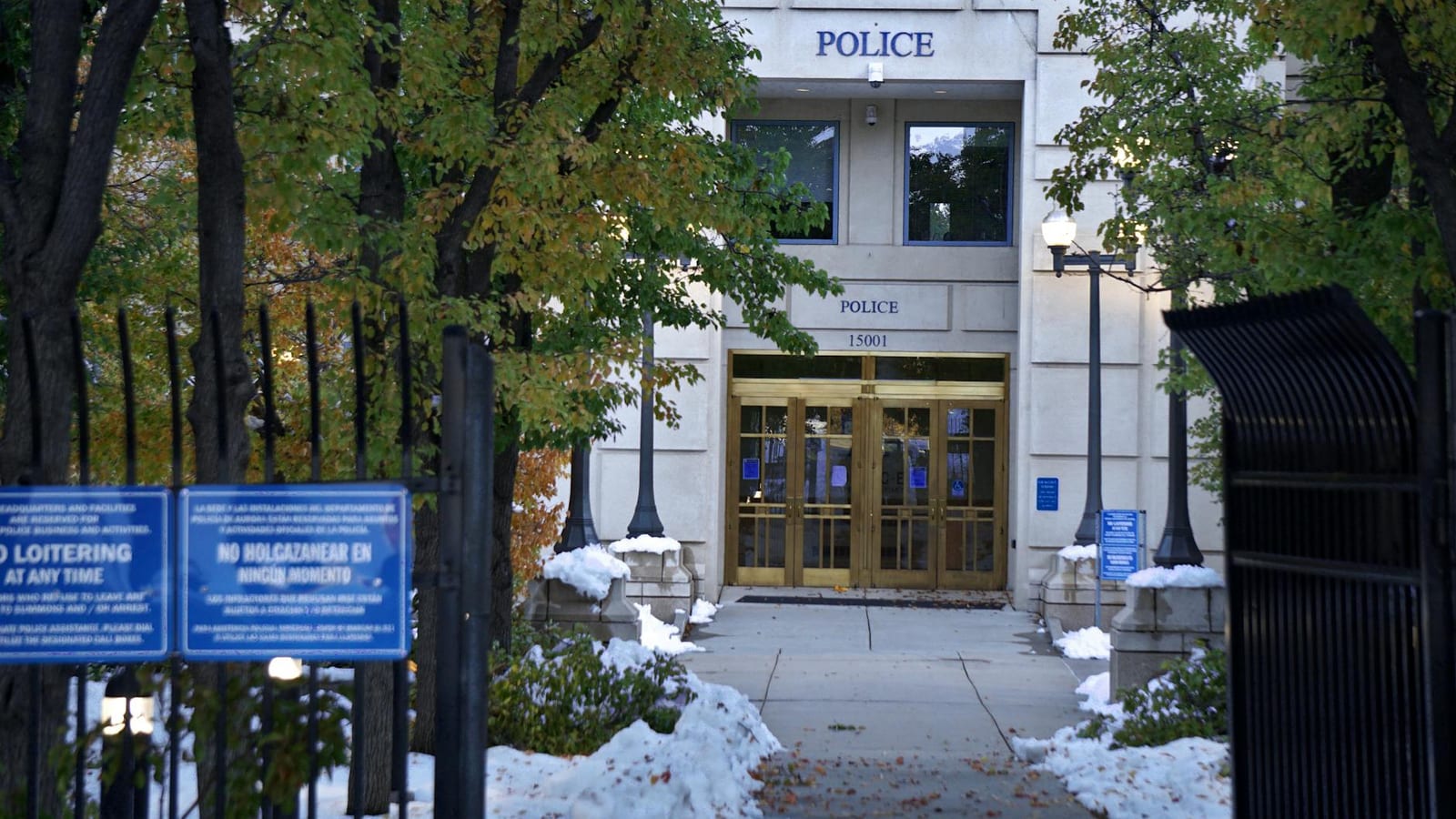
A workplace dispute can turn into a political fire faster than most HR teams can draft one memo.
That is the uncomfortable lesson from the Nida Khan case in Maharashtra, where allegations linked to a multinational IT company in Nashik have now spilled into police action, party politics, and a larger argument over faith, law, and reputation.
At the centre is Nida Khan, named in an FIR in a case involving alleged illegal conversion and what political voices have called “corporate jihad”. She has not been convicted. That distinction now sits at the heart of AIMIM leader Imtiaz Jaleel’s defence.
Jaleel pushes back on accusations
AIMIM leader Imtiaz Jaleel said Khan remains an accused person, not a guilty one. He argued that the public debate has moved far ahead of the legal record.
Jaleel said he would have helped Khan if she had approached him. His point was simple. In law, an allegation does not equal guilt.
He also said the FIR names charges linked to communal hatred and hurting religious sentiments. He questioned why the case was being discussed as if it involved terrorism or a major violent crime.
That is not a small distinction. In India, once a case gets a communal label, the social punishment often arrives before the court process begins.
For workers in a corporate office, that can mean fear, gossip, and instant damage to careers. For companies, it means a workplace matter can quickly become a public relations crisis.
Nashik case enters politics
The case began around allegations connected to a multinational IT company in Nashik. Police have acted against an AIMIM representative accused of giving Khan shelter.
Maharashtra minister Sanjay Shirsat then demanded that Jaleel also be made a co-accused. Jaleel rejected that demand and said a political charge does not make him guilty.
He said the police can question him if they want. He also said he would cooperate with the Chhatrapati Sambhajinagar police or Nashik police.
This is where the story moves beyond one FIR. It becomes a test of how political actors handle sensitive criminal allegations.
If the police have evidence, they must follow it. If politicians stretch the matter for headlines, they risk poisoning the atmosphere before the trial starts.
Accused is not convicted
Jaleel’s sharpest argument was about due process. He said Khan had the right to challenge lower court action in a higher court.
He also claimed she may have received bail if she had approached the High Court. That remains his view, not a court finding.
Still, the larger point matters. Every accused person has legal rights. Those rights do not disappear because the allegation is emotionally charged.
This is especially important in cases involving religion, workplace conduct, and identity. These cases attract outrage quickly. They also carry a heavy cost for people who may later be cleared.
In ordinary terms, an FIR starts the legal process. It does not finish it. Police investigate, courts assess evidence, and guilt must be proved.
That may sound basic. But in politically heated cases, basic law often needs repeating.
Corporate India should pay attention
The business angle here is not cosmetic. The alleged events are linked to a corporate workplace, and that should worry every large employer.
India’s office culture has changed fast. Young workers now spend long hours with colleagues from different religions, languages, and regions. Friendships, conflicts, and personal choices often unfold inside or around the workplace.
Companies cannot police personal belief. They also cannot ignore complaints that may affect employee safety or trust.
The difficult job is to create systems that handle complaints without panic. That means clear HR processes, careful internal records, and quick escalation when something may involve criminal law.
It also means avoiding loose labels. Words like “corporate jihad” carry huge political heat. Once such a phrase enters the workplace, it can damage people who have no role in the case.
For employees, the fear is simple. A personal dispute can become a community dispute. A community dispute can become a police matter. A police matter can become a television debate.
That chain can ruin reputations before facts settle.
What the police must establish
Jaleel said he will first understand the full case and listen to the police version. That is the correct sequence in any serious matter.
Police will need to establish what exactly happened, who helped whom, and whether any law was broken. They will also need to separate political noise from evidence.
If Khan avoided the process, that is one issue. If someone knowingly helped her evade police action, that is another issue. If the original allegations lack evidence, that is a separate question.
Each question needs facts, not slogans.
The courts will also matter here. In cases with religious and political overtones, bail hearings and custody orders often shape public perception.
But bail is not acquittal. Custody is not conviction. These are steps in a longer process.
That distinction protects both sides. It protects complainants who deserve a fair investigation. It also protects accused persons from public punishment without proof.
For ordinary readers, this case is a reminder of how quickly law, politics, and the workplace now collide. A corporate office is no longer insulated from public battles outside its gates. The sensible path is not silence or outrage. It is evidence, procedure, and patience. Without those three, every sensitive case becomes a public trial, and ordinary people pay the first price.