Hezbollah Rocket Barrage Triggers Israeli Strikes In Lebanon
Hezbollah fired 135 missiles toward Israel as Israeli forces hit over 120 targets in Lebanon, escalating risks for oil, shipping and workers.
A city hears sirens, families run for cover, and within an hour another country counts the dead.
That was the grim rhythm on Monday, October 7, 2024, as Hezbollah fired rockets towards Israel and Israel hit back inside Lebanon. The numbers were stark, 135 missiles on one side, more than 120 targets hit on the other.
For Indians watching from far away, this is not just another West Asia headline. Every fresh burst of fighting raises risks for oil prices, shipping routes, migrant workers, and a region that touches Indian wallets more than we admit.
Haifa comes under rocket fire
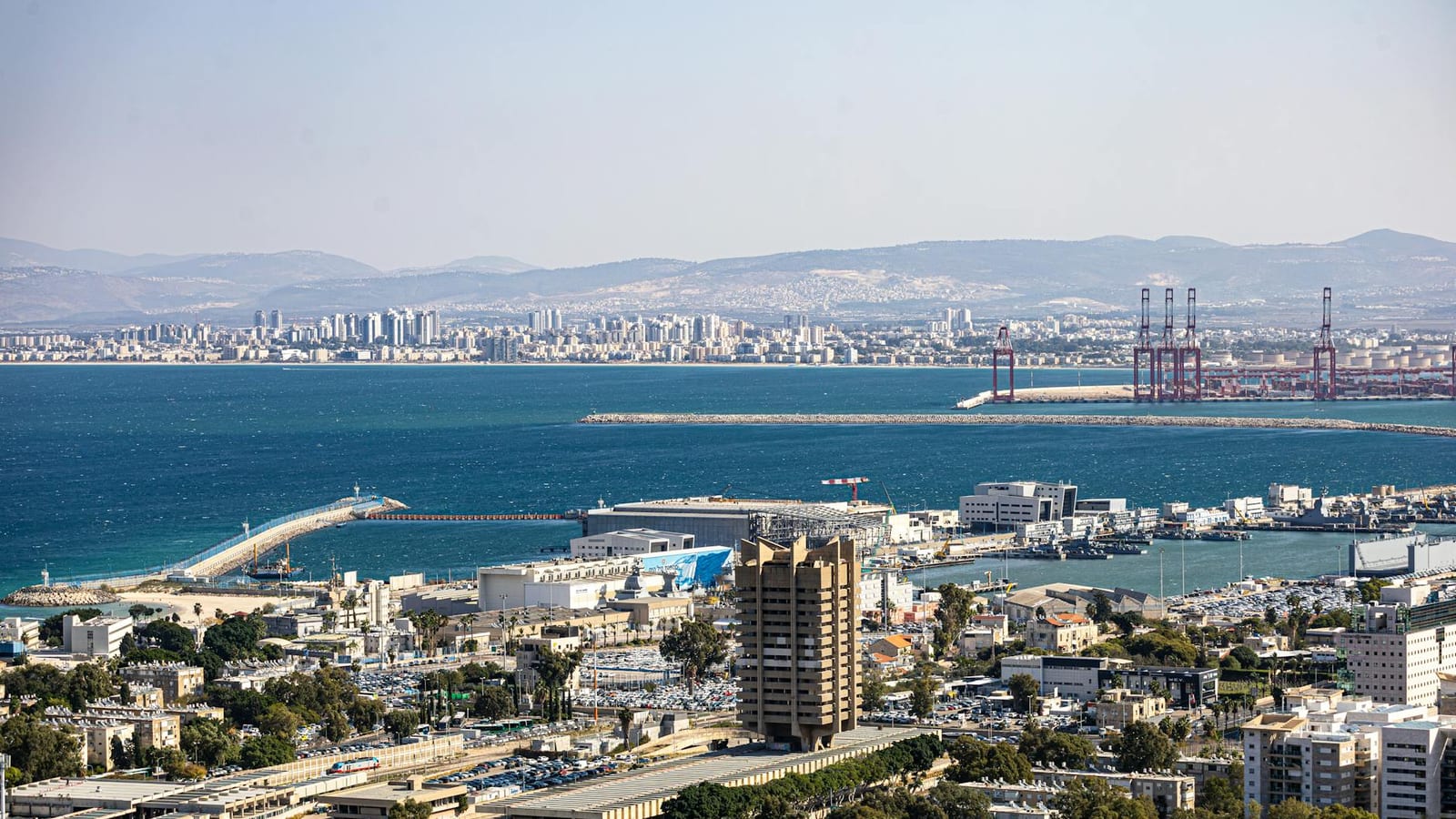
Hezbollah said it targeted a military base south of Haifa with 135 Fadi 1 missiles. Haifa is Israel’s third-largest city and a key urban centre on the Mediterranean coast.
The Israeli military said rockets were fired into Israeli territory till Monday evening. Reports from the area said 10 people were injured around Haifa, while two more were hurt in the south.
Hezbollah presented the strike as part of its continuing fight alongside Hamas. That matters because this war no longer sits neatly inside Gaza. It has widened across borders, towns, and airspace.
For ordinary Israelis, the pattern has become brutally familiar. A phone alert, a rush to shelters, then a wait to see where the rockets landed. Cities keep working, but normal life gets cut into nervous pieces.
Israel hits back in Lebanon
Israel responded with a rapid air operation inside southern Lebanon. The Israeli military said its air force struck more than 120 Hezbollah-linked targets within 60 minutes.
The army described these as terror targets. It said the strikes formed part of a wider campaign against Hezbollah positions in Lebanon.
This was not the first large Israeli operation there. In recent days, Israel had also claimed strikes on around 1,600 targets in Lebanon. That scale shows how much the northern front has grown since the Gaza war began.
Lebanon’s toll tells another side of the story. The Lebanese Health Ministry said Israeli air strikes killed 11 people and injured 17 others in different areas.
In Kayfoun village, in Mount Lebanon’s Aley district, officials said six people died after a residential building was hit. Thirteen others were injured there.
Another Israeli strike killed five people and injured four more, according to Lebanese official and military sources. These figures remind us that the battlefield map often overlaps with ordinary homes.
October 7 still drives the war
The timing carried heavy symbolism. Monday marked one year since Hamas attacked southern Israel on October 7, 2023.
That day, Hamas fired thousands of rockets and sent fighters across the border. Israeli authorities say around 1,200 people were killed and more than 250 were taken hostage.
Israel then launched its war in Gaza, saying it wanted to destroy Hamas and bring hostages home. But the war’s shockwaves have spread far beyond Gaza.
Hamas has close ties with Hezbollah, and both groups receive support from Iran. That link has kept Israel’s northern border under pressure for months.
Iran’s Supreme Leader Ayatollah Ali Khamenei marked the anniversary with a social media post. He said the October 7 attack had pushed Israel back by decades.
That statement will deepen Israeli anger. It also signals that Tehran still sees the conflict as a larger regional struggle, not only a Gaza war.
For the region, this is the dangerous part. Each side now acts inside a bigger story of revenge, deterrence, and survival. Once that cycle hardens, even a small strike can trigger a bigger reply.
Why Indians should watch closely
At first glance, Haifa and southern Lebanon may feel distant from India’s daily worries. But West Asia rarely stays distant from Indian life.
India imports a large share of its crude oil from the region. When fighting spreads, traders price in fear before actual supply gets hit. That can show up later in fuel, freight, and inflation.
A higher oil bill also hurts the rupee. When India pays more dollars for crude, pressure builds on the currency. That affects import costs across the economy.
Shipping is another concern. The eastern Mediterranean, Red Sea, and Gulf routes matter for global trade. If insurers raise risk premiums, transport costs climb.
For Indian exporters, that means thinner margins. For consumers, it can mean costlier goods after a lag. The chain may look invisible, but it reaches shop shelves.
Then there is the human side. Millions of Indians work across West Asia. Any wider regional war creates anxiety for workers and families back home.
Even those outside the conflict zone feel the stress. Airlines change routes, employers delay plans, and families keep checking news alerts late at night.
Indian businesses also watch Israel for technology, defence, agriculture, and startup ties. Instability can slow visits, deals, and project work. It rarely kills commerce at once, but it adds caution.
The risk of a wider front
Israel says it wants to weaken Hezbollah’s ability to attack its northern towns. Hezbollah says it is acting in support of Palestinians in Gaza.
Both positions leave little room for easy retreat. Israel cannot ignore rockets near Haifa. Hezbollah cannot step back without losing face among its supporters.
Lebanon, meanwhile, carries the burden of being the battlefield. Its economy has already suffered years of crisis. More bombing means more displacement, fear, and pressure on weak public services.
The hard question is who can stop the slide. Washington, Tehran, Beirut, and Tel Aviv all hold pieces of the puzzle. But none appears ready to soften first.
For India, the sensible view is neither panic nor indifference. This conflict can still remain contained. It can also widen by accident, one strike at a time.
That is why Monday’s exchange matters. It was not only about 135 missiles or 120 targets. It showed how quickly the Israel-Lebanon front can flare, and how little space remains between warning and war.
For ordinary readers here, the lesson is simple. A night of rockets in Haifa can eventually touch petrol pumps, portfolios, travel plans, and families waiting for relatives abroad. West Asia has a way of turning distant fire into everyday cost.