Hezbollah rocket barrage on Haifa sparks Israel strikes
Hezbollah said it fired 135 missiles near Haifa, prompting Israeli strikes on Lebanon targets as West Asia risks deepen for oil and trade.
A rocket alarm in Haifa is not just a military signal. It is a reminder that West Asia can turn from tense to explosive in minutes.
On Monday, Hezbollah said it fired 135 Fadi 1 missiles towards a military base south of Haifa. Israel answered with air strikes in Lebanon, hitting more than 120 Hezbollah targets in about an hour.
For India, this is not a distant war story. West Asia affects oil, shipping, jobs, remittances, and family budgets. When the region burns, ordinary people often feel the heat much later, through fuel prices and uncertainty.
Haifa comes under heavy fire
Hezbollah said it targeted an Israeli military base south of Haifa. The group described the attack as a large missile strike using Fadi 1 rockets.
Israel’s military said projectiles entered Israeli territory through the day. By Monday evening, injuries had been reported in the Haifa area and in southern Israel.
Haifa matters because it is not some remote border post. It is Israel’s third-largest city and a major urban centre. When rockets reach such places, the message is clear. This conflict is no longer sitting neatly at the edges.
For residents, the practical meaning is brutal and simple. Sirens, shelters, school closures, worried phone calls, and uncertainty about the next hour. That is how strategy looks from the ground.
Israel hits back inside Lebanon
Israel’s military said its air force struck more than 120 Hezbollah positions in southern Lebanon within 60 minutes. It called the operation a broad air campaign against militant targets.
The Israeli military has already been fighting on two fronts. In Gaza, it continues operations against Hamas. In Lebanon, it has expanded strikes against Hezbollah after months of cross-border fire.
The latest round came after earlier Israeli strikes that targeted a far larger set of locations in Lebanon. Israel says these operations aim to weaken Hezbollah’s ability to attack from across the border.
Lebanon’s health ministry reported civilian deaths and injuries after Israeli air strikes in different areas. In one reported strike on a residential building in Kayfoun village, six people died and 13 were injured.
Another Israeli air strike killed five people and injured four others, according to Lebanese officials. These numbers show the grim pattern of modern conflict. Militants hide, armies strike, and civilians pay.
The October 7 shadow remains
The timing carries a heavy memory. The region marked one year since Hamas attacked southern Israel on October 7, 2023.
That attack killed about 1,200 people in Israel. More than 250 people were taken hostage. Israel’s military response in Gaza then turned into a long and punishing war.
Iran’s Supreme Leader Ayatollah Ali Khamenei praised the October 7 operation in a social media post. He claimed it had pushed Israel back by decades.
That statement matters because Iran backs both Hezbollah and Hamas. Tehran does not need to send regular troops to shape events. It can use allied armed groups to keep pressure on Israel.
This is why the Haifa strike feels larger than one exchange of missiles. It sits inside a bigger regional contest. Israel, Iran-backed groups, Lebanon, Gaza, and global powers are all tied into it.
For ordinary people, these labels mean little during an air raid. A family does not think in terms of regional doctrine while looking for a safe room. But policy choices made far away decide how long that fear lasts.
Why India should watch closely
India has deep economic links with West Asia. Millions of Indians work across the Gulf. The region also matters for energy, trade routes, fertilisers, and shipping costs.
A direct Israel-Hezbollah escalation does not automatically mean petrol prices rise tomorrow. Markets do not move in such straight lines. But they do react to risk.
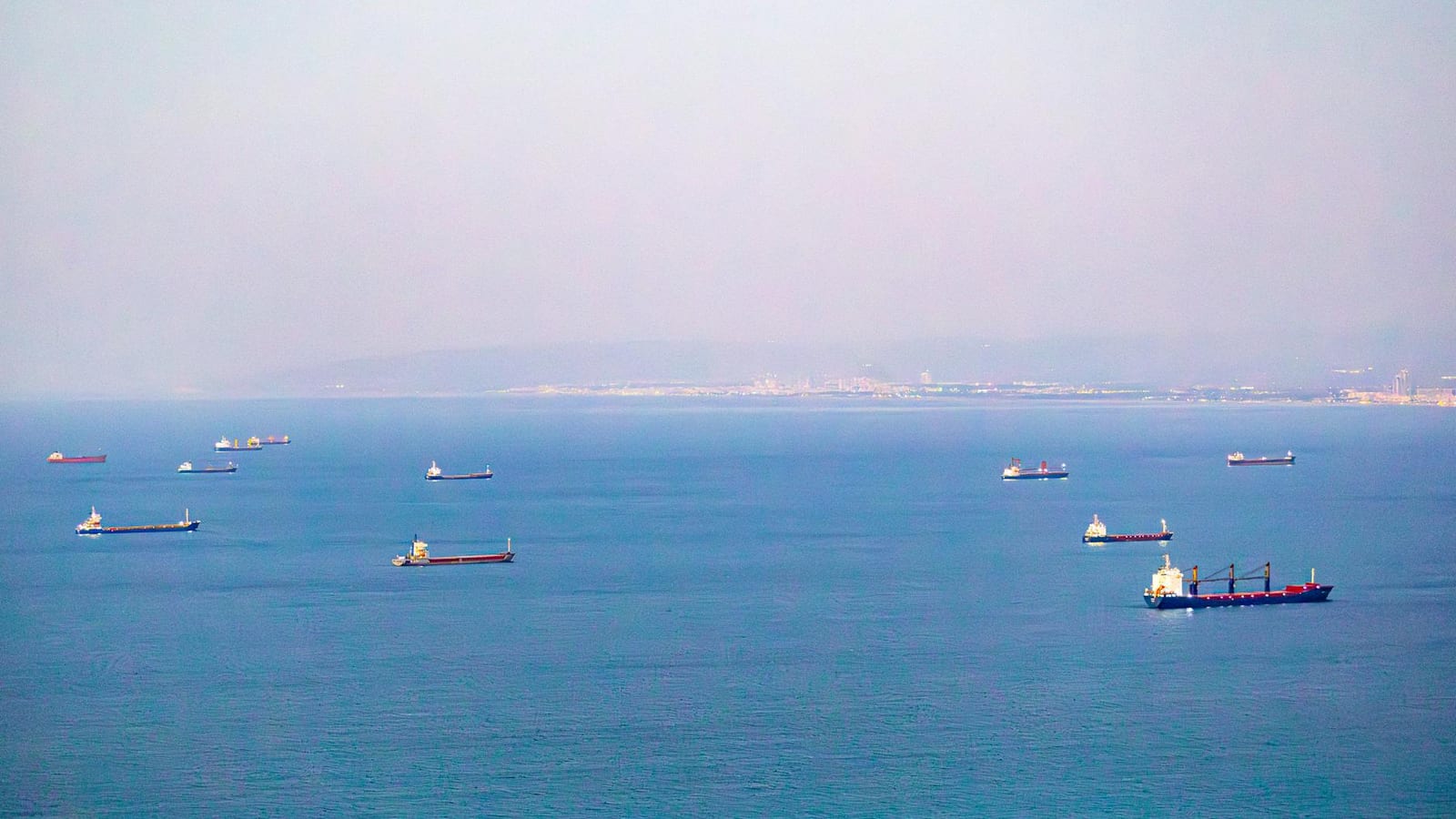
If fighting widens, traders start pricing in danger. Oil shipments, insurance costs, and shipping routes come under stress. That eventually reaches consumers, even if the route is not visible.
A kirana store owner in a tier-2 Indian city may not follow Haifa or southern Lebanon every day. But higher diesel costs can raise transport bills. That can lift prices of goods on the shelf.
Young professionals paying EMIs also feel these shocks indirectly. Inflation reduces breathing room. Companies delay plans when uncertainty grows. Airlines, exporters, importers, and logistics firms watch such conflicts closely.
The business risk is not just oil. It is confidence. Companies hate uncertainty more than bad news. Bad news can be priced. Uncertainty keeps everyone waiting.
There is also the worker angle. Indian families with relatives in West Asia follow such news with a personal knot in the stomach. Even when fighting stays away from Gulf workplaces, regional tension creates anxiety.
A conflict with no easy off-ramp
Hezbollah’s missile attack and Israel’s quick response show how narrow the space has become. Each side wants to show strength. Each strike raises pressure for the next one.
Israel says it is going after Hezbollah’s military capacity. Hezbollah says it is acting in support of Palestinians and against Israeli military targets. Between those claims sit towns, homes, hospitals, and anxious civilians.
The danger now is escalation by rhythm. One side fires. The other side answers harder. Then the first side feels compelled to respond again.
That cycle rarely respects borders. Lebanon has already seen heavy damage. Northern Israel has lived with regular rocket alerts. Gaza remains trapped in a far deeper humanitarian disaster.
For India’s policymakers and businesses, the lesson is familiar. West Asia is never just foreign news. It sits inside our fuel bills, trade flows, worker safety plans, and inflation forecasts.
For ordinary readers, the point is even simpler. A missile fired near Haifa and a strike in southern Lebanon may feel far away today. But in a connected economy, distance only delays the impact. It does not cancel it.