Hezbollah Missiles Hit Haifa as Israel Strikes Lebanon
Hezbollah fired 135 missiles towards Haifa, prompting Israeli air strikes on Lebanon as the northern front widened with injuries reported.
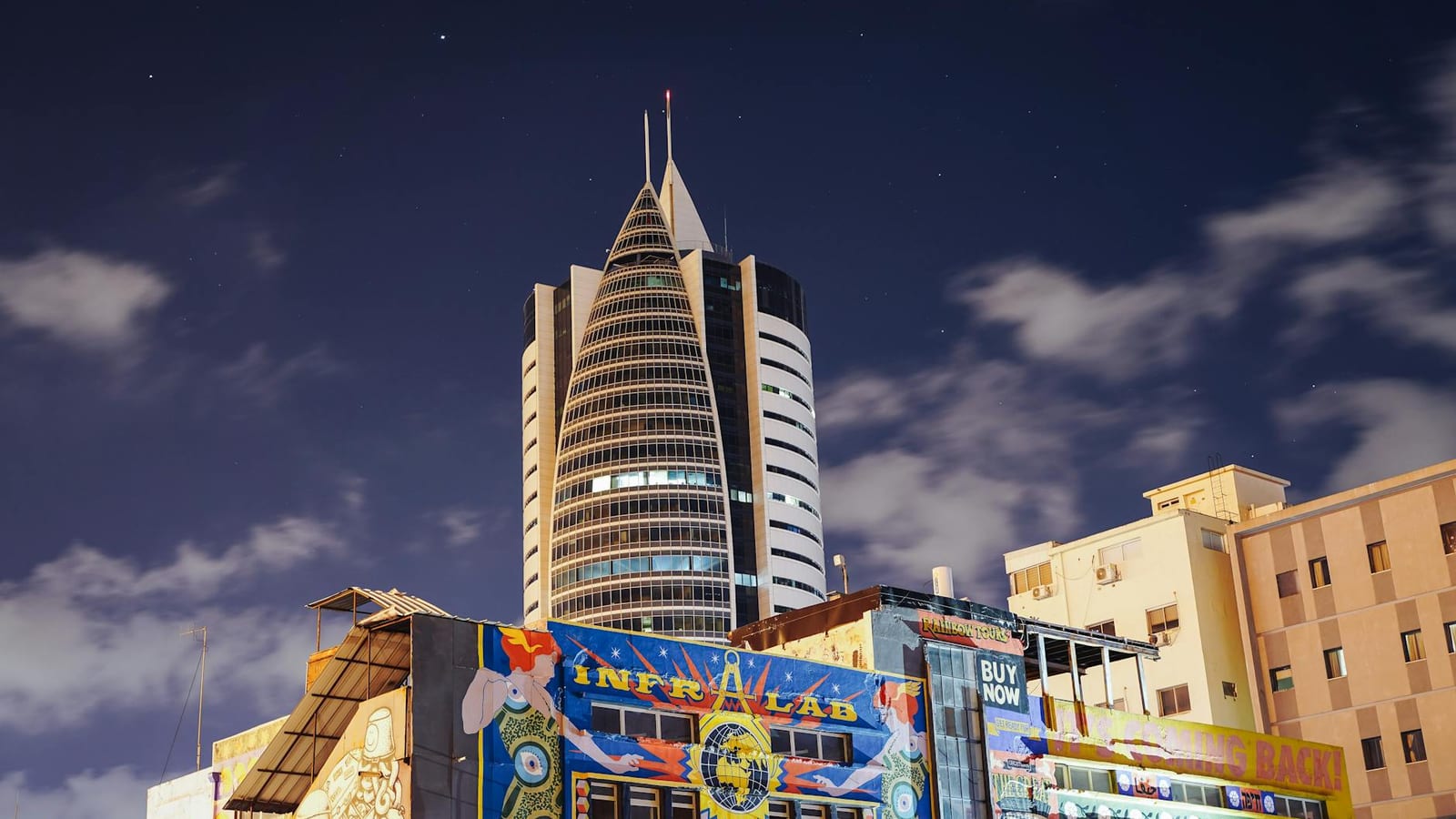
A port city woke up to sirens, and a border war suddenly felt much wider.
Hezbollah fired 135 Fadi 1 missiles towards Haifa, Israel’s third-largest city, on Monday. Israel answered with a one-hour air assault on Lebanon, saying its air force hit more than 120 Hezbollah targets in the south.
For families in northern Israel and villages across southern Lebanon, this is no longer background noise. It is the daily fear of phones buzzing, shelters filling, and homes turning into coordinates on a military map.
Haifa attack raises the stakes
Hezbollah said it targeted a military base south of Haifa with Fadi 1 missiles. The group has backed Hamas since the Gaza war began, and its attacks have kept Israel’s northern front under pressure.
The Israeli military said rocket fire continued into Israeli areas till Monday evening. Reports from Israeli officials pointed to ten injuries in the Haifa region and two more in the south.
Haifa matters because it is not just another city on a map. It is a major urban and industrial centre, with ports, refineries, workers, commuters, hospitals, and neighbourhoods packed close together.
When missiles reach near such a city, the message travels beyond the battlefield. Insurance costs rise. Businesses worry about staff safety. Shipping schedules face fresh risk. Ordinary people start asking whether tomorrow’s commute is worth it.
For India, this part of the story has a familiar economic echo. Any flare-up around Israel and Lebanon feeds anxiety about West Asia, oil, trade routes, and Indian workers in the region.
Israel hits back in Lebanon
The Israeli military said its air force carried out a large operation in southern Lebanon. It said the strikes hit more than 120 Hezbollah sites within 60 minutes.
That number tells one part of the story. The other part lies in the speed. Israel wanted to show that every major Hezbollah barrage would invite quick and heavy retaliation.
Israeli forces have already been fighting on two fronts, against Hamas in Gaza and Hezbollah in Lebanon. The pressure now sits on both military planning and civilian life.
For Lebanon, the cost keeps spreading. Lebanon’s health ministry said an Israeli strike on a residential building in Kayfoun village killed six people and injured 13 others.
Officials also reported another Israeli strike that killed five people and wounded four. In all, Lebanese sources put the toll from those attacks at 11 dead and 17 injured.
Numbers can feel cold after months of war. But behind each figure sits a family making impossible choices. Stay near home and risk the next strike, or leave and lose work, schooling, and community.
October 7 still drives the war
Iran’s Supreme Leader Ayatollah Ali Khamenei marked the first anniversary of the October 7 attack with a message praising the operation. He said the assault had pushed Israel back by decades.
That statement shows why this war keeps widening. It is not only about Gaza anymore. Iran, Hezbollah, Hamas, and Israel each see the conflict through a larger political and military lens.
On October 7, 2023, Hamas attacked southern Israel. Israeli figures say around 1,200 people were killed, and more than 250 were taken hostage.
Israel then launched its war in Gaza. Hezbollah opened pressure from Lebanon soon after, saying it was acting in support of Palestinians.
Since then, the northern border has become a grinding front. Villages have emptied. Farms have been abandoned. Schools have shifted. People who never held a weapon now live by military alerts.
That is how wars spread their real damage. First they hit soldiers and targets. Then they hit rent, salaries, school calendars, medicine, and mental health.
The business cost of fear
This is officially a security story, but markets always listen when West Asia burns. Oil traders, airlines, shipping firms, exporters, and insurers all watch such escalations closely.
A missile barrage near Haifa raises questions about ports and industrial sites. Israeli businesses must think about worker safety, supply schedules, and backup plans.
Lebanon’s economy has far less room to absorb shocks. Years of financial collapse have already weakened banks, public services, and household savings.
For a small shop owner in Beirut or a driver in southern Lebanon, war does not arrive as a policy headline. It arrives as closed roads, fewer customers, higher fuel costs, and fear at home.
Indian businesses also watch with care. India imports energy from the wider region, sends workers there, and maintains close ties with Israel in defence, agriculture, and technology.
If the conflict spreads further, freight and insurance costs can move quickly. That can show up later in import bills, company margins, and eventually consumer prices.
This is why even distant wars matter to Indian households. A family planning travel, a firm importing parts, or a young worker in the Gulf can feel the effect.
A dangerous rhythm sets in
The worrying part is not only Monday’s attack. It is the pattern forming around it. Hezbollah fires, Israel strikes, civilians pay, and each side claims resolve.
That rhythm can become hard to break. Once leaders frame restraint as weakness, the room for diplomacy shrinks.
The Israeli military says it is targeting Hezbollah infrastructure. Hezbollah says it is responding to Israel and supporting Palestinians. Lebanon’s civilians, caught between both, face the most immediate danger.
For now, the battlefield stretches across Gaza, northern Israel, and southern Lebanon. The political battlefield stretches further, into Tehran, Washington, Arab capitals, and global markets.
The next few days will matter. If both sides keep raising the scale of attacks, the region could slide into a wider war without one single formal declaration.
For ordinary readers in India, the lesson is simple but uncomfortable. A missile fired at Haifa and a bomb dropped in Lebanon may feel far away, until oil, jobs, trade, and family safety pull the story closer home.