Hezbollah missile attack near Haifa jolts markets
Hezbollah's missile fire near Haifa and Israel's strikes in Lebanon raise risks for oil, airlines and shipping as West Asia tensions widen.
A missile siren in Haifa is not just a local alarm anymore. It now rings through oil markets, airline routes, shipping desks, and Indian family budgets.
Hezbollah said it fired 135 Fadi 1 missiles towards Israel on Monday. The group said it targeted a military base south of Haifa. Israel’s military said its air force then struck more than 120 Hezbollah targets in southern Lebanon within an hour.
This is how the West Asia conflict keeps widening. One strike answers another. Civilians pay first. Markets follow next.
Haifa attack raises the stakes
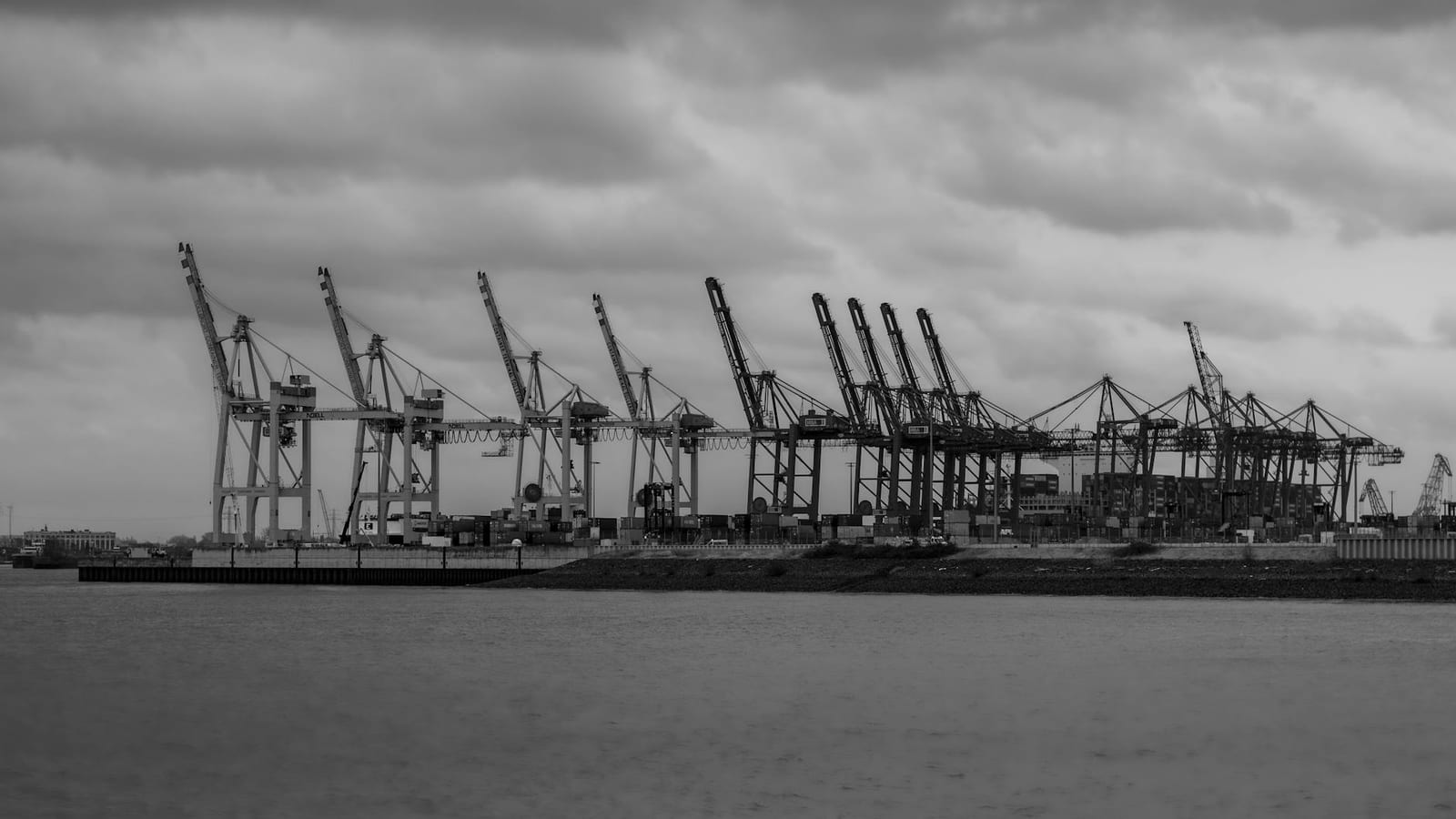
Haifa is Israel’s third-largest city. It is also a major port and industrial centre. So an attack near Haifa carries weight beyond the battlefield.
Hezbollah said it launched the missiles as part of its fight against Israel. The group has backed Hamas since the Gaza war began after the October 7, 2023 attack on southern Israel.
Israel’s military said rocket fire reached Israeli areas through Monday evening. Reports from emergency services said 10 people were injured in the Haifa region. Two more were hurt in southern Israel.
For ordinary Israelis, this means the war no longer feels far away. A family in a city apartment, a shopkeeper near a port road, or a worker commuting home can get pulled into war within seconds.
Israel hits back in Lebanon
Israel’s military said its air force carried out a large operation in southern Lebanon. It said it hit more than 120 Hezbollah-linked targets in about 60 minutes.
That is a sharp tempo. It also shows how the conflict has moved from border fire to wider air campaigns.
Lebanese officials said Israeli air strikes killed 11 people and injured 17. Lebanon’s health ministry said six people died after a residential building was hit in Kayfoun village, in the Aley district of Mount Lebanon. Another Israeli strike killed five people and injured four.
This is where the cold language of war hides human cost. “Targets” may sound neat on a military statement. On the ground, families lose homes, roads shut, hospitals stretch, and workers miss wages.
Lebanon already faces deep economic pain. Its banking system has suffered for years. Many households survive on remittances and small trade. More air strikes mean fewer open shops, costlier transport, and another push for people to leave.
October 7 still drives the conflict
The fighting still sits under the shadow of October 7, 2023. Hamas attacked southern Israel that day, killing about 1,200 people and taking more than 250 hostages.
Israel then launched its military campaign in Gaza. Hezbollah, an Iran-backed group, opened fire from Lebanon in support of Hamas. Since then, the northern front has kept heating up.
Iran’s Supreme Leader Ayatollah Ali Khamenei marked the anniversary by praising the October 7 attack. He said the operation had pushed Israel back by decades. That message matters because Hezbollah does not act in isolation.
For Israel, the problem is now layered. It is fighting Hamas in Gaza, Hezbollah near Lebanon, and watching Iran’s signals closely. Each front affects the other.
For India, this is not distant news. West Asia supplies energy, jobs, trade links, and remittance flows. When the region shakes, Indian households can feel it through fuel prices and inflation.
Why Indian markets watch closely
India imports most of its crude oil. That makes every serious West Asia flare-up a business story, even when it begins as a security story.
If oil prices rise, the first hit lands on fuel companies and transport costs. Then it spreads. A truck carrying vegetables pays more for diesel. A factory pays more for freight. A household pays more for cooking, commuting, and groceries.
Airlines also watch the region closely. Conflict can force route changes, raise insurance costs, and stretch flight times. That eventually affects ticket prices and cargo movement.
Shipping companies track the same risks. Ports like Haifa matter because they connect trade routes, industrial supply chains, and regional logistics. Any instability near key ports makes insurers nervous.
For Indian businesses, uncertainty is the real tax. Importers delay orders. Exporters worry about delivery timelines. Investors move money away from risk. None of this happens dramatically at first. It builds quietly.
That is why markets react not only to damage, but also to fear. A single night of missile fire can change oil bets the next morning.
Civilians face the hardest bill
Military statements often count missiles, launchers, targets, and bases. Civilians count something else. They count missing relatives, unpaid rent, broken windows, and medicines that cannot arrive.
In Israel, residents near northern areas have lived with repeated alerts and disruption. In Lebanon, villages and towns face a different fear, that the next strike may land on a residential street.
This is also the part that matters for policy. Once civilians move, schools close, hospitals fill, and local economies freeze. A war zone does not need a formal blockade to stop normal life. Fear can do that job.
Hezbollah may call its strikes support for Palestinians. Israel may call its strikes self-defence against armed groups. But ordinary people rarely get such neat categories. They just need safety, work, and a way to keep children calm at night.
The danger now is that both sides see escalation as pressure. Hezbollah wants to show it can reach deeper into Israel. Israel wants to show it can punish Hezbollah fast and hard. That logic rarely leaves much room for pause.
For Indian readers, the lesson is simple. West Asia is not just a headline from far away. It is tied to the price of petrol, the cost of flights, the safety of workers abroad, and the mood of markets at home. If this conflict keeps widening, the bill will not stop at the border.