Hezbollah Barrage Hits Haifa as Israel Strikes Lebanon
Hezbollah says it fired 135 missiles at Haifa, while Israel reports hitting over 120 targets in Lebanon, raising fresh West Asia risk concerns.
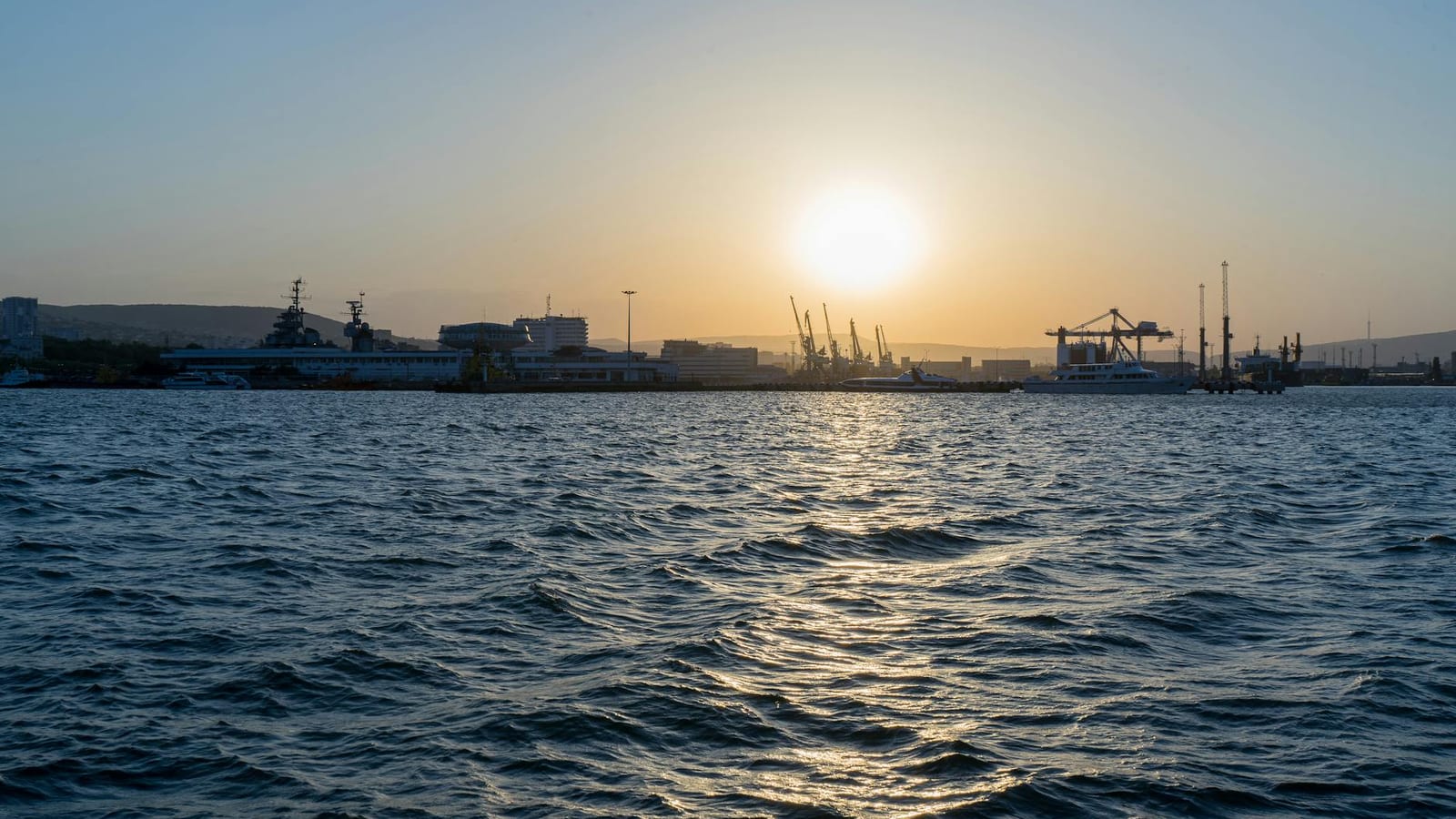
A missile warning in Haifa is not just a distant war alert anymore. For Indian families with relatives in Israel, shipping firms watching West Asia, and oil traders in Mumbai, it is another reminder that one bad night can travel very far.
Hezbollah said it fired 135 Fadi 1 missiles towards the Haifa area on Monday. Israel said its air force hit more than 120 Hezbollah targets in southern Lebanon within one hour.
That is the grim rhythm now. One side fires, the other side answers harder. Civilians then count the cost, often with no control over the decisions made above them.
Haifa comes under missile fire
Hezbollah said it targeted a military base south of Haifa, Israel’s third-largest city. The group said it used 135 Fadi 1 missiles in the attack.
The Israeli military said rocket fire reached Israeli areas through Monday evening. Reports from Israeli authorities indicated injuries in the Haifa region and southern Israel.
For ordinary Israelis, Haifa is not some remote border town. It is a busy port city, an industrial centre, and home to families who expect work, school, and transport to function.
When missiles fly towards such a city, the impact goes beyond blast damage. Sirens stop traffic. Businesses close shutters. Parents rush children into shelters. Hospitals prepare for fresh casualties.
Hezbollah has tied its attacks to Israel’s war against Hamas in Gaza. It has also positioned itself as part of a wider Iran-backed front against Israel.
That wider front is what worries governments and markets. A Gaza war is already painful enough. A wider Lebanon front makes it far harder to contain.
Israel hits back in Lebanon
The Israeli military said the air force carried out a large operation in southern Lebanon. It said aircraft struck more than 120 Hezbollah targets within 60 minutes.
Israel described the targets as militant sites. It has repeatedly said it wants to weaken Hezbollah’s ability to fire rockets and threaten northern Israel.
But air wars rarely stay neat on the ground. Lebanon’s health ministry said Israeli strikes in different areas killed 11 people and injured 17 others.
In one strike, a residential building in Kayfoun village in Mount Lebanon’s Aley district was hit. The ministry said six people died there and 13 were injured.
Another Israeli strike killed five people and injured four more, Lebanese official and security sources said.
This is where military language starts to feel thin. A “target” on a briefing map can sit beside homes, shops, and roads used by civilians.
For Lebanese families, the fear is not abstract. Many still carry memories of earlier wars, lost savings, damaged homes, and years of weak public services.
Lebanon’s economy was already in deep trouble before this escalation. Its currency collapsed, banks restricted access to savings, and many families struggled with basic costs.
Fresh strikes add another layer of pain. Insurance becomes harder. Trade slows. Small businesses lose customers. Workers who live day to day lose income first.
October 7 shadow grows longer
The latest exchange came around the anniversary of the October 7 Hamas attack on Israel. That day reshaped the region’s politics and security.
Iran’s Supreme Leader Ayatollah Ali Khamenei praised the October 7 attack online. He said the operation had pushed the Zionist regime back by decades.
Israel says Hamas killed around 1,200 people in the October 7 assault. More than 250 people were taken hostage after militants crossed into southern Israel.
Hezbollah is an ally of Hamas, and both receive backing from Iran. That matters because this is no longer just a fight between two neighbours.
It is a chain of linked conflicts. Gaza burns, northern Israel empties out, Lebanon is bombed, Iran sends messages, and global powers watch for the next spark.
For India, the lesson is simple. West Asia is not far away when oil, shipping, jobs, and remittances pass through it every day.
Indian workers live across the Gulf and Israel. Indian companies depend on energy supplies from the region. Indian consumers feel fuel shocks through transport and food prices.
A wider war can raise crude prices. Costlier crude usually hurts India because the country imports most of its oil. Petrol, diesel, airline fuel, and freight costs can all feel pressure.
Even when pump prices do not move immediately, businesses still worry. Transporters, airlines, chemical firms, paint companies, and plastic makers all watch oil closely.
That is why a missile fired near Haifa can matter to a shopkeeper in Surat or a commuter in Bengaluru. The link is not emotional alone. It is economic.
Markets dislike this uncertainty
The business risk here is not only about one day’s attack. It is about uncertainty becoming normal.
Shipping firms worry when conflict spreads near key routes. Investors dislike sudden jumps in oil. Airlines reassess routes. Exporters fear delays and higher freight bills.
India has seen this pattern before. West Asian tensions often create a quick spike in crude prices, followed by nervous trading in currency and equity markets.
A weaker rupee can make imports costlier. That includes crude oil, electronics, fertilisers, and some industrial inputs. The pressure then travels into company margins and household budgets.
The government also has to watch its fiscal math. If oil rises sharply, fuel taxes, subsidies, and inflation management all become more difficult.
For companies, the question is blunt. Can they pass higher costs to customers, or must they absorb the hit?
Large firms may manage for a while. Smaller businesses usually have less room. A small manufacturer or transporter cannot easily survive weeks of higher fuel bills.
There is also a human layer inside the business story. Workers in ports, airlines, refineries, and logistics firms carry the pressure before it reaches balance sheets.
If freight costs rise, contracts get delayed. If contracts get delayed, wages and overtime can suffer. The war then shows up quietly in family budgets.
India watches the wider risk
New Delhi usually walks a careful line in West Asia. India has strong ties with Israel, long-standing links with Arab countries, and major energy interests across the region.
That balance becomes harder when the conflict spreads. Every statement must weigh security, diaspora safety, energy flows, and diplomacy.
The Israel-Hezbollah front also tests global attention. The world is already dealing with Gaza, Ukraine, Red Sea shipping risks, and slow growth in major economies.
For Indian readers, the key point is not to panic. It is to understand how connected these events are.
A single strike will not change India’s economy. But a wider regional war can affect oil, shipping, markets, and jobs in ways that reach ordinary households.
That is why this escalation deserves attention beyond the battlefield. The missiles over Haifa and the bombs in Lebanon are part of a larger warning.
If leaders cannot contain this cycle, civilians will pay first. And in today’s connected economy, some of that bill may travel all the way to Indian homes.