Gujarat diesel shortage hits Kutch transporters, farmers
Diesel shortages in parts of Gujarat, including Kutch, are disrupting truck movement, farm work and small businesses as fuel queues grow.
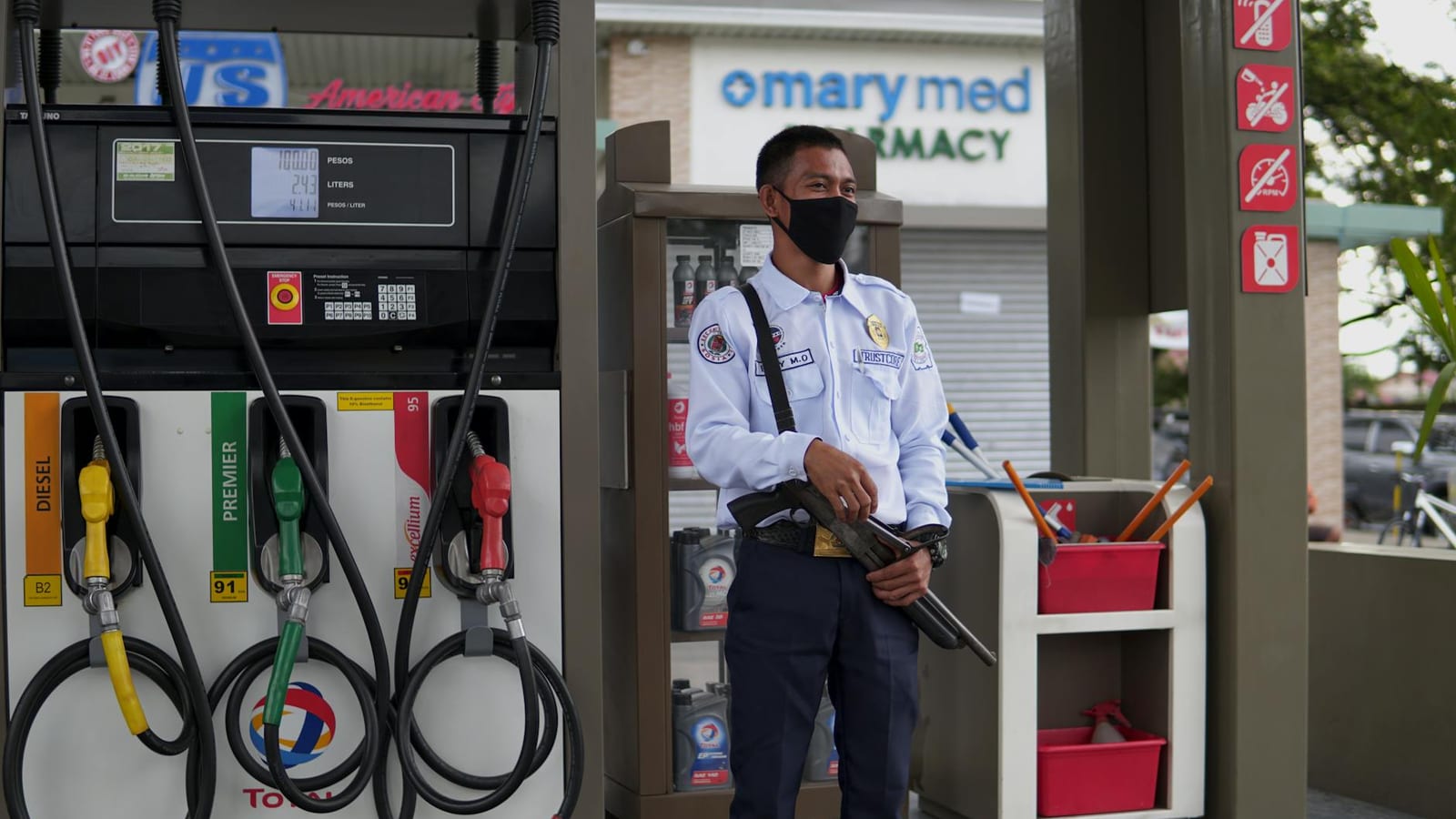
A diesel queue tells you more about the economy than a spreadsheet sometimes can.
In parts of Gujarat, that queue has become the story. Farmers, transporters, and small operators are waiting longer for fuel. In Kutch, the shortage has triggered protests. In Patdi, officials have had to sit down with pump owners.
This is not just about vehicles waiting at petrol pumps. Diesel runs tractors, trucks, generators, salt pans, cold chains, and small factory movement. When it slows, the pain travels fast.
Kutch feels the diesel pinch
The sharpest public anger has come from Kutch, where the Aam Aadmi Party staged a protest in Gandhidham over diesel shortage and rising fuel costs.
That detail matters. Gandhidham is not a quiet backwater. It sits close to key trade routes and industrial activity. A fuel disruption there affects truckers, small suppliers, and businesses that depend on daily movement.
For a transporter, diesel is not one more input. It is the bloodline of the business. A truck stuck in a fuel line means a delayed trip. A delayed trip means a missed delivery. A missed delivery can mean penalties, angry customers, and thinner margins.
The farmer faces the same pressure in a different way. Diesel powers pumps and machines. If fuel comes late, farm work does not wait politely. Weather, labour, irrigation, and market prices already make farming uncertain. Fuel shortage adds one more risk.
Patdi’s salt economy takes a hit
The shortage has also reached Patdi, where long vehicle queues formed at fuel stations. Local officials have taken note. The mamlatdar held a meeting with pump owners after the situation began affecting salt production.
That one line should worry anyone who follows Gujarat’s business map. Salt may look simple on a dining table, but its supply chain is tough. It depends on weather, land, labour, pumps, transport, and timing.
In salt-producing belts, diesel keeps several parts moving. Workers need transport. Brine movement may need pumps. Finished salt needs trucks. If diesel gets scarce, the impact does not stay at the pump.
Small salt producers have less room to absorb delays. Large firms may manage inventories or negotiate supply. A smaller operator often runs closer to the edge. A few days of disruption can disturb cash flow.
That is the unglamorous part of fuel economics. The headline says shortage. The worker hears fewer trips. The producer hears delayed lifting. The small transporter hears no income for the day.
Why diesel matters beyond vehicles
For urban readers, diesel may feel like a transport issue. For large parts of India’s working economy, it is much more.
Diesel runs the invisible machinery behind everyday life. It moves vegetables to mandis. It carries cement to construction sites. It helps small manufacturers dispatch goods. It powers backup systems when electricity fails.
So when diesel becomes hard to find, the first effect is time. People wait. Then comes money. Trips cost more. Deliveries slow down. Customers start asking questions.
If the shortage continues, businesses may pass some costs ahead. Transport charges can rise. Goods may become slightly costlier. Even if prices do not jump at once, margins get squeezed.
A kirana store owner in a tier-2 city may not follow fuel supply charts. But if delivery vans arrive late or suppliers raise charges, the effect reaches the shop counter.
This is why fuel disruptions deserve attention beyond politics. They reveal how dependent local economies remain on physical movement. India talks about digital growth, and rightly so. But most livelihoods still need trucks, tractors, and pumps.
Protests raise a wider question
The AAP protest in Gandhidham has given the issue a political edge. The party raised slogans over shortage and price rise, turning a supply problem into a public grievance.
That is predictable. Fuel touches everyone. A small rise or delay becomes visible quickly. Unlike some policy issues, people can feel this one by standing in line.
But protests alone will not solve the supply question. Authorities will need to establish whether the problem comes from distribution delays, local hoarding, logistics gaps, demand spikes, or pump-level constraints.
Each cause needs a different answer. If supply trucks are delayed, logistics must improve. If pumps are holding back stock, enforcement matters. If demand has suddenly jumped, districts need better planning.
The state must also communicate clearly. Silence creates rumours. Rumours create panic buying. Panic buying worsens shortage. It is a familiar cycle in fuel markets.
For businesses, predictability matters as much as price. A transporter can plan around higher diesel if he knows supply is steady. He cannot plan around uncertainty.
Small businesses carry the burden
The toughest part is that the biggest pain often lands on the smallest players.
A large logistics company may have contracts, storage, and negotiating power. A small truck owner waits in line. A bigger manufacturer may manage stock. A smaller supplier may lose the order.
Farmers face the same imbalance. Those with more resources can arrange fuel, labour, and equipment faster. Smaller farmers and operators depend heavily on local pumps.
This is where a diesel shortage becomes a fairness issue. The same disruption hits everyone, but not equally. Those with cash, contacts, and scale manage better. Those running day to day lose more.
The administration’s meeting with pump owners in Patdi is a useful first step. But local meetings must lead to visible supply improvement. Otherwise, they become another ritual after the damage is done.
Gujarat’s economy has always depended on movement, from ports and factories to farms and salt belts. A diesel shortage may look like a local inconvenience at first. But for ordinary people, it is a reminder that growth still rests on basic reliability. If fuel does not reach on time, work does not move on time. And when work stalls, the cost is paid far beyond the petrol pump.