Gold Demand Jumps After Modi Urges Buyers To Wait
Jewellers report a 15-20% rise in gold sales as buyers rush purchases amid fears of higher duties, GST changes and wedding season costs.
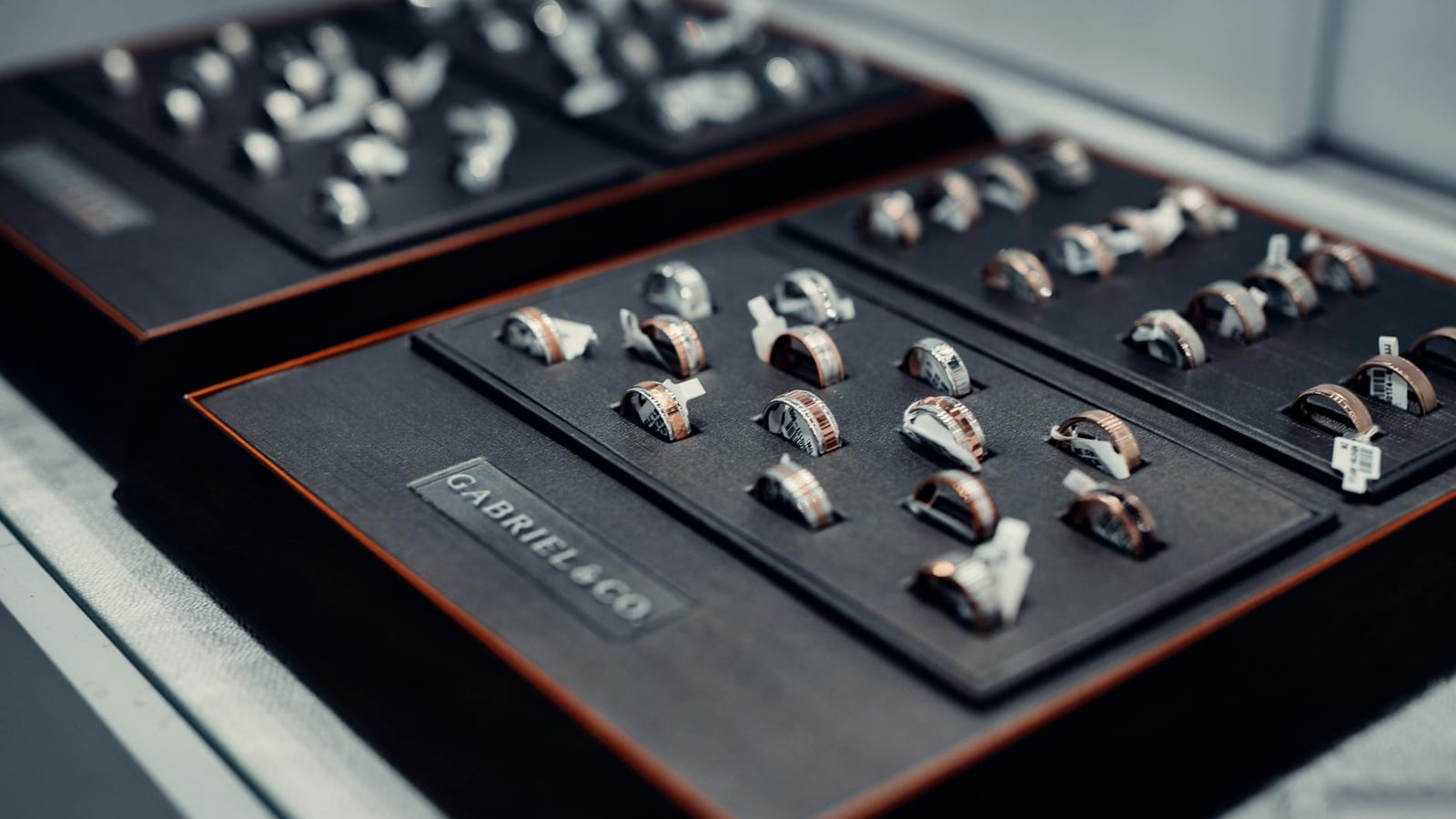
A strange thing happened after a call for restraint. The more Indians heard they should avoid buying gold, the faster many rushed to jewellery stores.
Prime Minister Narendra Modi urged people to postpone gold purchases for a year, citing pressure from Middle East tensions and global uncertainty. India imports most of its gold, so every purchase adds pressure on foreign exchange.
But in the two days after that appeal, jewellers saw sales rise by 15 to 20 percent. For a country where gold is both emotion and insurance, a warning quickly became a trigger.
Gold buyers fear policy shock
The fear is simple. Many customers now think gold may become costlier soon.
Jewellers say buyers worry the government may raise import duty, increase GST, or bring tighter purchase rules. So families who had planned to buy later are moving early.
That matters because India is entering a wedding-heavy period. Purchases for weddings from June to mid-August had already started. Some families are also buying for November and December weddings.
For them, gold is not just another item on a shopping list. It is part of the wedding budget, family status, savings, and tradition, all rolled into one.
A middle-class family can delay a sofa or a holiday. But wedding jewellery carries social weight. Once buyers sense that prices may jump, waiting starts to feel risky.
That is why the appeal has produced the opposite result. Instead of cooling demand, it has created urgency.
Jewellers see sudden rush
Rajesh Rokde, chairman of the All India Gem and Jewellery Domestic Council, said average wedding jewellery sales rose 15 to 20 percent in the last two days.
That is not a small move in this business. A large jewellery chain outlet can sell around ₹25 lakh worth of jewellery on an average day. A mid-sized jeweller may do daily sales of ₹15 lakh to ₹18 lakh.
A 20 percent rise means lakhs of rupees in extra sales per store. Across big markets, that turns into serious money very quickly.
Mumbai, India’s biggest jewellery market, has also seen this rush. Local bullion traders said gold sales climbed by around 20 percent in two days.
This is classic Indian consumer behaviour. When people hear that a product may face restrictions, demand often jumps before the rule arrives.
We saw this during demonetisation, during tax changes, and during sudden import curbs. The rumour of a door closing can move faster than the door itself.
Here too, no major policy change has been announced. Yet the fear of one has become enough to move buyers.
Why gold still wins trust
The government’s concern is not imaginary. India spends precious foreign currency to import gold. When global crude oil prices rise, or war fears grow, the pressure gets worse.
Modi also urged people to save petrol, diesel, and cooking oil. The message was about conserving national resources during uncertain times.
But gold occupies a different place in Indian households. It is not treated like a discretionary luxury, even when prices are high.
For many families, gold is the one asset they understand without needing an app, broker, or bank manager. It can sit in a locker for years. It can be pledged during a crisis. It can fund a medical bill, school fee, or business emergency.
That is why official appeals often hit a wall. The state sees gold imports as a foreign exchange problem. Households see gold as safety.
Both views are true. The clash happens when policy meets family instinct.
A kirana store owner in a tier-2 city may not track the rupee-dollar rate every morning. But he knows gold helped someone in the family during a hard month.
A salaried couple may invest in mutual funds. Yet during a wedding, they still return to jewellery. Gold gives comfort in a way financial products often do not.
Industry wants clarity from Delhi
The All India Gem and Jewellery Domestic Council has now sought a meeting with the Prime Minister’s Office.
The industry wants clarity because uncertainty can disturb both demand and supply. Jewellers need to plan inventory, pricing, staffing, and delivery schedules during wedding months.
If customers panic-buy today and demand drops tomorrow, smaller jewellers can get stuck. They do not have the cushion that large chains enjoy.
Joy Alukkas managing director Varghese Alukkas said some customers have started buying even for late-year weddings. That shows buyers are not reacting only to current ceremonies.
They are trying to lock in purchases before any possible government move.
The tricky part is that gold demand is hard to manage through messaging alone. If the government wants lower imports, it needs more than appeals.
It may need attractive gold deposit schemes, better recycling channels, and stronger trust in paper gold products. Paper gold means financial products linked to gold prices, without buying physical metal.
But Indian buyers still prefer jewellery they can see, touch, and pass on. That habit will not change because of one speech.
There is also a business angle that gets less attention. Jewellery shops support artisans, sales staff, logistics workers, hallmarking centres, and small suppliers.
A sudden policy shock can hurt them too. Big chains can absorb disruption. Small family-run shops often cannot.
So the government has to walk a narrow path. It wants to protect foreign exchange. But it cannot casually shake a market tied to weddings, savings, and lakhs of livelihoods.
The lesson from this rush is blunt. In India, gold demand does not move only on price. It moves on fear, trust, custom, and memory. If Delhi wants people to buy less gold, it must first give them something they trust just as much.