Gadkari Says Palkhi Highway To Pandharpur Is 80% Complete
Nitin Gadkari says nearly 80% of the Sant Dnyaneshwar Maharaj Palkhi Marg is complete after a bus inspection from Pune towards Pandharpur.
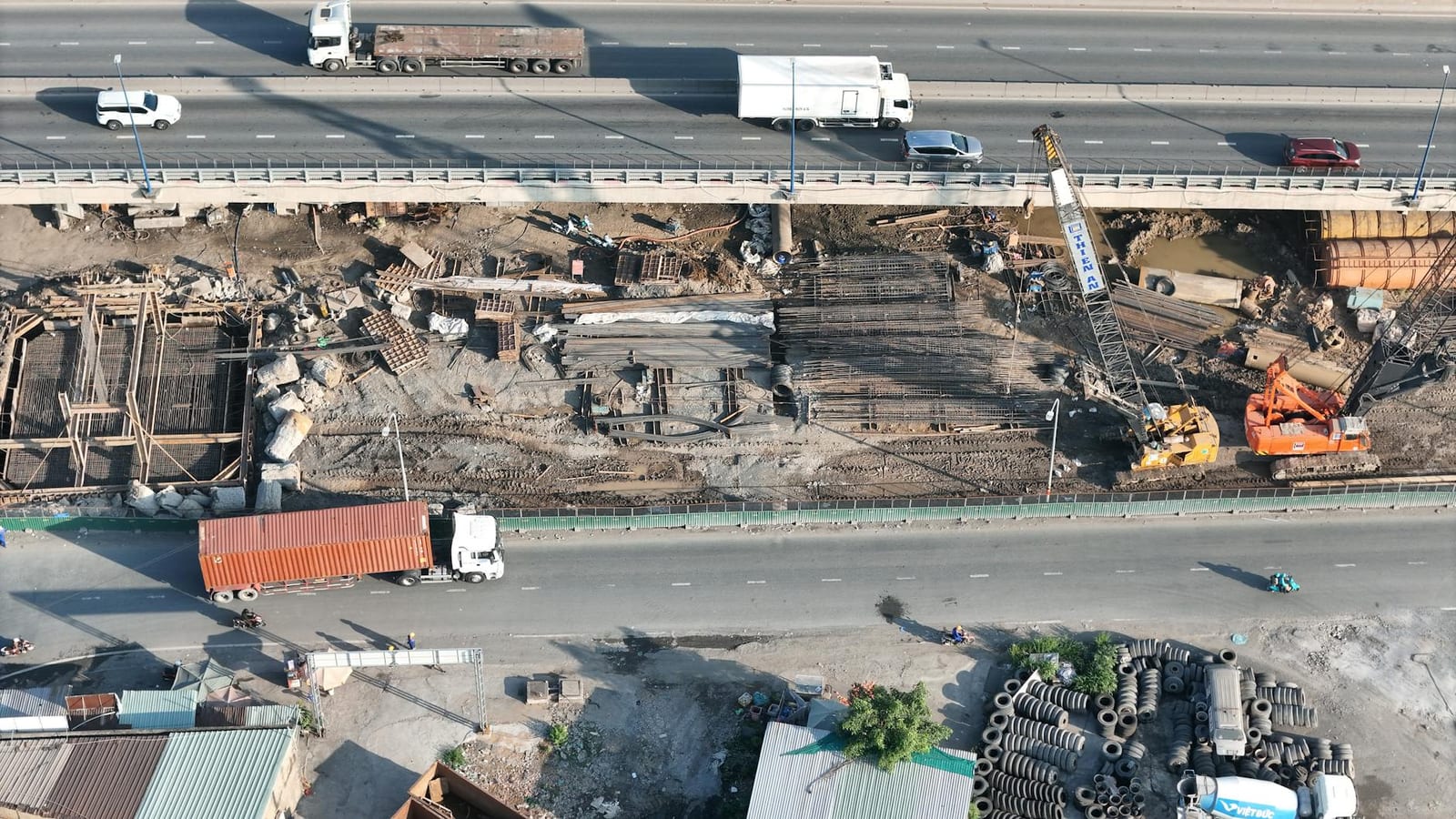
A road to Pandharpur is never just a road in Maharashtra. It carries buses, trucks, sugarcane, pilgrims, small traders, and a few million memories.
That is why Nitin Gadkari choosing to inspect the Sant Dnyaneshwar Maharaj Palkhi route by bus, along with journalists, was more than a routine review. On May 14, 2026, the Union road transport minister travelled from Pune towards Pandharpur, checking work on a highway that links faith, business, and daily survival.
For people who use this route, the headline number matters most. Gadkari said nearly 80 percent of the Sant Dnyaneshwar Maharaj Palkhi Marg work is complete.
Palkhi route nears completion
The Sant Dnyaneshwar Maharaj Palkhi Marg is being built in six phases. The route runs through Pune, Hadapsar, Dive Ghat, Saswad, Jejuri, Phaltan, Natepute and Velapur before reaching Pandharpur.
That is a long belt of towns where the road decides a lot. It decides how fast vegetables reach markets. It decides how safely families travel. It also decides how painful the annual pilgrimage becomes for lakhs of warkaris.
Gadkari reviewed the route while travelling with officials and the media. He said work has reached its final stretch in many parts. He also gave details of pending work on sections such as Mohol to Wakhari, Wakhari to Khudus, Khudus to Dharampuri, Dharampuri to Lonand, and Lonand onwards.
For ordinary travellers, 80 percent completion sounds close to the finish line. But roads are not finished when asphalt appears. They are finished when service roads, junctions, drains, safety barriers, signs, and local access points also work properly.
That is where the next few months will matter. A smooth highway can still become dangerous if villagers cannot cross safely. A fast corridor can still hurt small shops if entry points get blocked.
Jejuri and Pandharpur get more
Gadkari also announced fresh projects on the route. These include a flyover at Jejuri and a ring road for Pandharpur.
Both announcements are important for different reasons. Jejuri sees heavy traffic because of pilgrims visiting the Khandoba temple. Local business depends on that footfall, but traffic jams punish everyone.
A flyover can help through-traffic move faster. But the design will decide whether local shops benefit or suffer. If vehicles simply pass over the town, small traders may lose customers. If the approach roads are planned well, the town can breathe without losing business.
Pandharpur’s case is even more sensitive. During the wari, the town absorbs a human wave. Roads fill with pilgrims, buses, police vehicles, vendors, and local residents trying to manage daily life.
A ring road can keep heavy traffic away from crowded inner areas. That means fewer bottlenecks, less stress on residents, and safer movement for pilgrims. It can also help ambulances, goods vehicles, and municipal services during peak days.
But ring roads also change land values. Farmers and landowners near the alignment often see sudden pressure. Some benefit from compensation or development. Others worry about losing land that supported families for generations.
Why this road matters
This project sits at the meeting point of devotion and economics. The wari is spiritual, but it also supports a large informal economy.
Tea stalls, dhabas, repair shops, transport operators, flower sellers, hotels, small lodges, and roadside vendors all earn from movement. Better roads can increase business if access remains open.
For farmers, the road can cut travel time to mandis and processing centres. A few hours saved during harvest can mean less spoilage. That matters for produce that cannot wait.
For bus operators and truckers, smoother roads reduce fuel use and vehicle damage. That sounds like a transport company problem, but it reaches consumers too. When freight costs rise, the price often travels quietly into the final bill.
For families, the biggest gain is safety. Many old pilgrimage routes became crowded because highways had to serve everyone at once. Pilgrims walked, two-wheelers squeezed through, trucks pushed ahead, and buses crawled.
A better-planned route can separate flows more sensibly. It can reduce sudden braking, wrong-side driving, and risky overtaking. That is the kind of improvement people notice only after accidents fall.
The hidden test is execution
Gadkari has built his public image around speed in road projects. In Maharashtra, that carries weight because many highway works drag for years.
But big road projects face the same old traps. Land acquisition can slow them. Utility shifting can delay them. Local objections can change timelines. Monsoon damage can expose weak drainage.
The Palkhi route has another challenge. It must serve everyday commerce and a massive annual religious movement. Those needs are not always the same.
A trucker wants speed. A pilgrim wants safety. A local shopkeeper wants visibility. A farmer wants access to fields. A town wants less congestion, but not less business.
That balance cannot come from a press note. It has to show up in the final design. Pedestrian crossings, service lanes, bus bays, parking zones, toilets, water points, and medical access will decide how useful the road becomes.
The government also has to communicate clearly with towns along the route. People accept inconvenience more easily when they know what is coming. They get angry when roads are dug up, traffic is diverted, and no one explains the plan.
Pune’s wider transport squeeze
The inspection also came on a day when Pune saw other transport discussions. Work has begun on an important stage of the Swargate to Katraj metro corridor, with casting started for tunnel segments.
That 5.46 km underground stretch matters because Pune’s southern side has grown fast. Katraj, Swargate, Hadapsar, and nearby areas face daily congestion that now feels normal to residents.
At the same time, Pune’s work-from-home debate has not gone away. Many IT employees save hours and fuel when companies allow remote work. Employers, however, still want office attendance for coordination and control.
These threads connect to the same larger point. Pune and its surrounding towns cannot solve mobility with one road, one metro line, or one policy. The region needs several fixes working together.
Highways help intercity and regional movement. Metro lines help dense urban corridors. Work-from-home can cut unnecessary trips. Smaller measures, such as fewer VIP convoy vehicles, also save fuel and reduce disruption.
Gadkari’s inspection, then, should not be seen as only a highway update. It is part of a larger transport story in western Maharashtra.
The Palkhi route will be judged during ordinary weeks, not just during official visits. If a farmer reaches market faster, if a pilgrim walks safer, if a small trader keeps customers, and if a family reaches Pandharpur without dread, the project will have earned its place. The last 20 percent will decide whether this becomes a fine-looking highway or a road that genuinely serves people.