Gadkari Says 80% Of Maharashtra Palkhi Route Work Is Complete
Nitin Gadkari said 80% of the Sant Dnyaneshwar Maharaj Palkhi route is complete, with Jejuri flyover and Pandharpur ring road plans for safer travel.
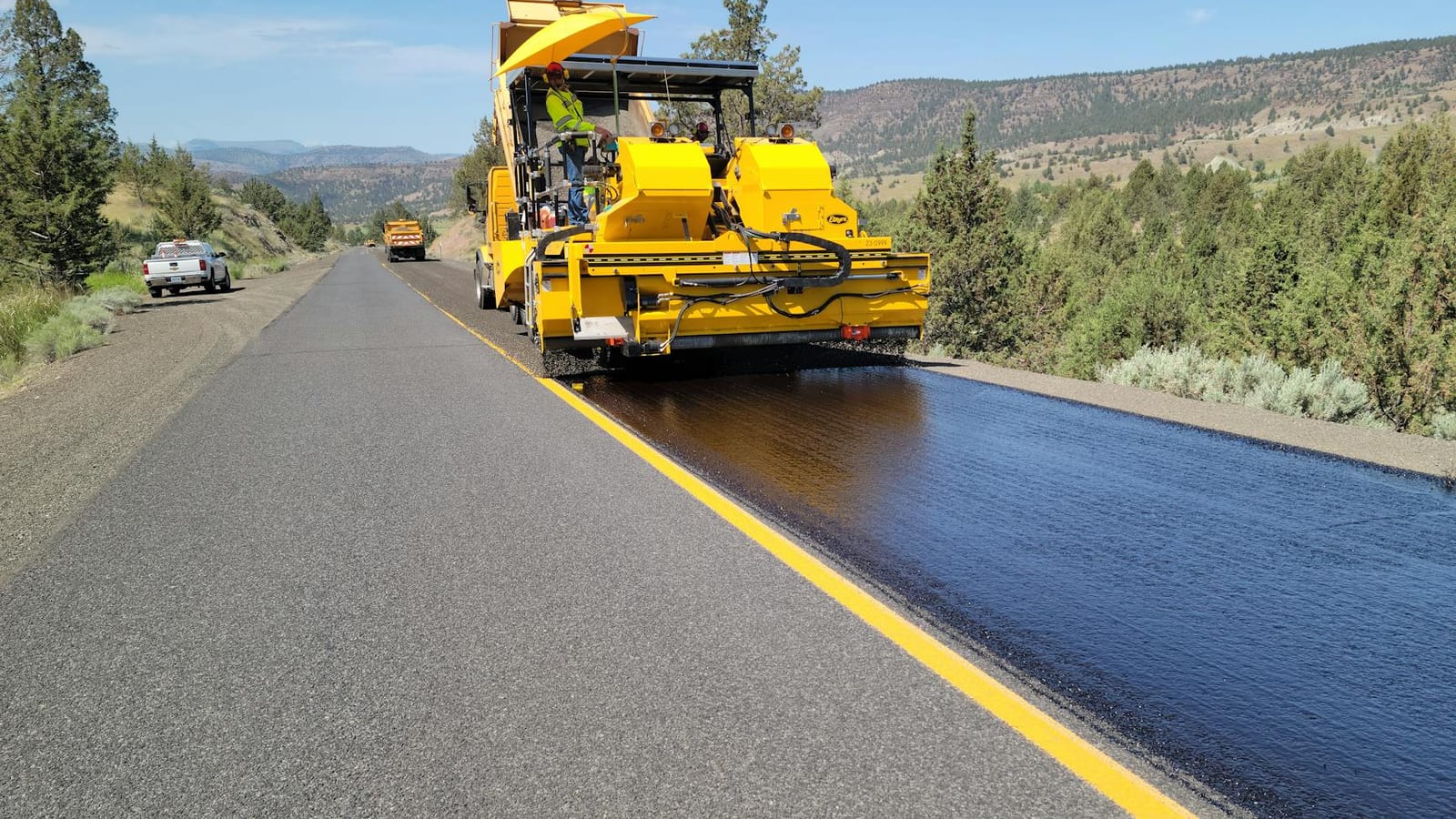
A road that carries devotion also carries business, jobs, fuel bills, and daily frustration.
Union Road Transport Minister Nitin Gadkari inspected the Sant Dnyaneshwar Maharaj Palkhi route on Thursday, May 14, 2026. He travelled with journalists by bus along the Pune, Hadapsar, Dive Ghat, Saswad, Jejuri, Phaltan, Natepute, Velapur and Pandharpur stretch.
Gadkari said nearly 80 percent of the work on the route has been completed. He also announced plans for a flyover at Jejuri and a ring road at Pandharpur.
Why this road matters
This is not just another highway file moving through Delhi and Maharashtra.
The palkhi route is one of western India’s most emotionally loaded roads. Every year, lakhs of warkaris walk towards Pandharpur during the wari. For them, the road is part of faith, not just transport.
But roads also decide how small towns earn. Tea stalls, dhabas, tyre shops, fuel pumps, transporters, flower sellers, lodge owners and local traders all depend on movement.
A smoother road can reduce travel time. It can also cut vehicle wear, fuel use and accident risk. For a truck owner or bus operator, that matters every single day.
Gadkari inspected the work from Pune towards Pandharpur through several important towns. The route passes through areas where religious travel, agriculture and small trade all meet.
That is why this project has a wider business meaning. It links pilgrims, farmers, local markets and transport operators on one corridor.
The 80 percent milestone
Gadkari said the Sant Dnyaneshwar Maharaj Palkhi route is being built in six phases. He said about 80 percent of the work has now been completed.
The remaining work covers stretches between Mohol and Wakhari, Wakhari and Khudus, Khudus and Dharampuri, Dharampuri and Lonand, and Lonand onward.
For ordinary travellers, these names may sound like map details. For people living along the road, they are daily pain points.
A half-built corridor creates its own troubles. There are diversions, dust, uneven surfaces and slow traffic. Businesses wait for the promised benefits, while still coping with construction disruption.
That is the hard middle stage of infrastructure. The ribbon-cutting looks clean. The years before that rarely do.
Gadkari’s 80 percent figure tells us the project has crossed the long slog. But the final stretch often decides public memory.
If bottlenecks remain near towns, ghats or pilgrimage points, people remember the jams more than the kilometres completed.
Jejuri flyover and Pandharpur ring road
Gadkari’s two key announcements were a flyover at Jejuri and a ring road for Pandharpur.
Both ideas are easy to understand if you have travelled through pilgrimage towns. Traffic does not move in a straight line there. It gathers, pauses, spills, and then blocks everything around it.
Jejuri sees religious visitors through the year. During peak days, local traffic and pilgrim traffic compete for the same narrow space. A flyover can move through-traffic above local congestion.
That helps residents too. When highway vehicles stop choking internal roads, daily trips become easier. A school run, market visit or hospital trip should not depend on a highway jam.
Pandharpur has an even bigger problem during wari season. The town receives huge crowds, and road pressure rises sharply. A ring road can divert vehicles that do not need to enter the town centre.
That one change can protect local lanes from becoming holding areas for outside traffic. It can also make emergency movement easier during crowded days.
For shopkeepers, the impact is mixed but important. Better access can bring more customers. But if traffic bypasses a market completely, some roadside businesses may need to adapt.
Good ring-road planning should manage both needs. It must reduce chaos without cutting off local income.
The business beneath devotion
Infrastructure around pilgrimage often gets described in emotional terms. That is fair, but incomplete.
The wari is also a moving economy. People need food, water, medicine, transport support, mobile charging, footwear repairs and overnight shelter. Local suppliers step in because demand arrives on schedule.
Better roads can make that informal economy more predictable. Vendors can stock better. Transporters can plan faster trips. Local authorities can manage sanitation and safety with fewer last-minute shocks.
Farmers also gain from reliable routes. Produce moves faster when roads improve. Even small savings in time can matter for perishable goods.
For families travelling by car or bus, the benefit is simpler. Fewer bad patches mean less fatigue, fewer breakdowns and lower fuel costs.
This is where highway policy meets household economics. A road delay may look like a traffic problem. In real life, it becomes lost wages, missed appointments and extra diesel.
Gadkari’s visit also came at a time when fuel saving has entered public debate again. In Pune, local authorities have been discussing smaller VIP convoys and reduced fuel use.
That context matters. Big roads and small fuel decisions are not separate stories. Both affect how efficiently a city and its surrounding districts move.
What still needs watching
The government can build the road. But the public will judge the project by maintenance, safety and last-mile planning.
Pilgrim routes need more than asphalt. They need walking space, safe crossings, lighting, rest points, medical access and clean public facilities.
A highway designed only for vehicles can create risks for pedestrians. On the palkhi route, that would defeat the purpose.
Authorities also need to plan for seasonal surges. Wari traffic is not normal traffic. It needs crowd management, temporary services and clear diversion plans.
The road must work on an ordinary Tuesday and during the most crowded pilgrimage days. That is the real test.
Land issues, incomplete service roads and poorly managed junctions can weaken even an expensive project. Maharashtra has seen enough examples of highways that look good on paper but trouble users on the ground.
For now, the 80 percent completion mark gives the project momentum. The Jejuri flyover and Pandharpur ring road add practical value if executed well.
The bigger promise is not just a faster trip to Pandharpur. It is a corridor where faith, trade and daily life move with less friction. For the warkari walking in the sun, the farmer sending produce to market, and the small vendor waiting for seasonal customers, that difference is very real.