Fuel Rumours Show How Fake News Hits Household Budgets
Viral claims on fuel stocks, pump closures and gold rules show how fake news can alter spending, travel plans and small business decisions.
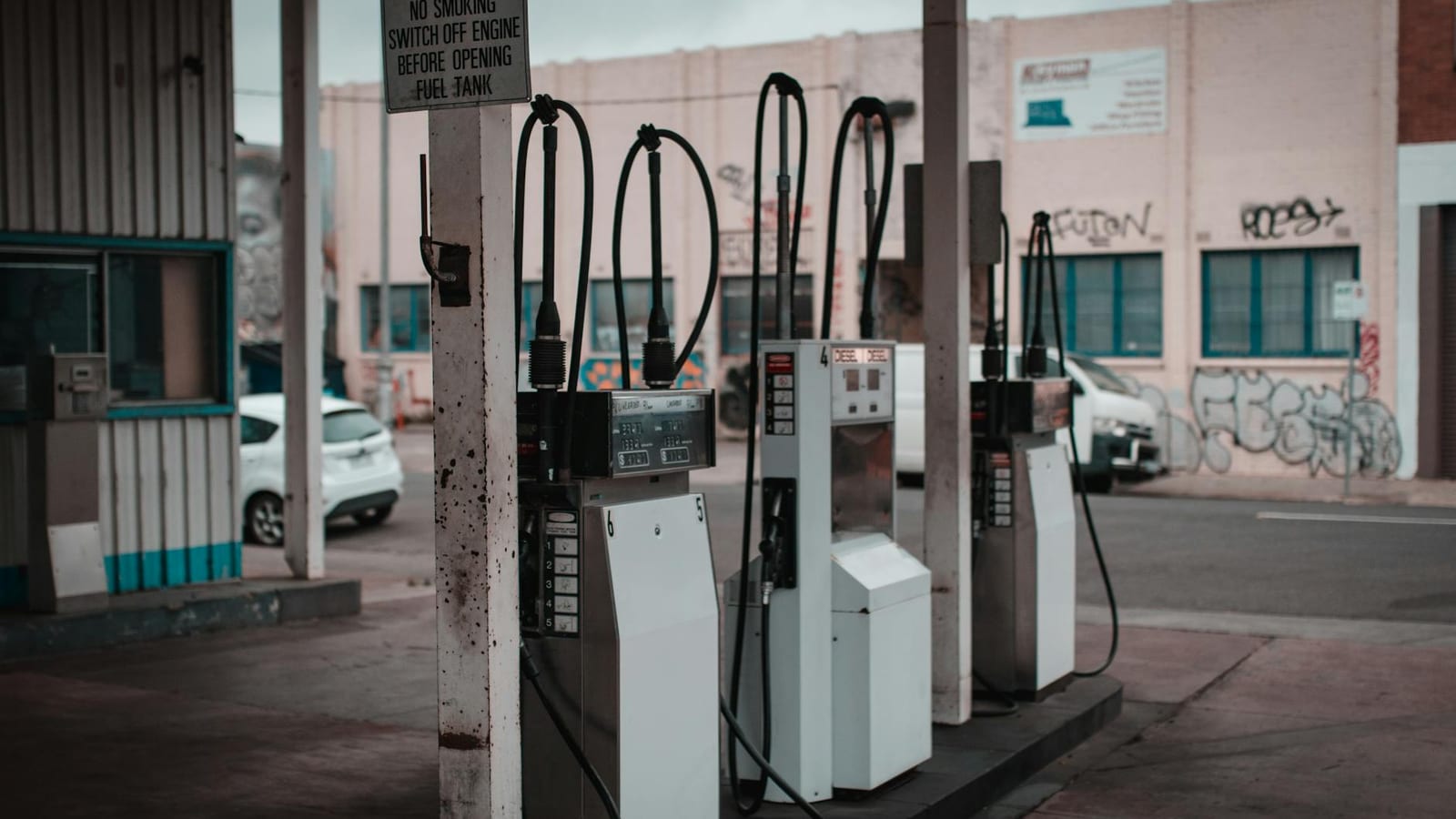
A false rumour about fuel can empty petrol pumps faster than a real shortage.
That is the uncomfortable lesson from a fresh run of viral claims in Malayalam. The subjects look scattered at first glance. Oil stocks, petrol pumps, airline cancellations, gold controls, political freebies, public transport, and AI images.
Look closer, and a clear pattern appears. Fake news now travels straight through the pocket. It can shape buying, travel, savings, and small business decisions before anyone checks the facts.
Rumours now hit household budgets
One viral claim said the country had only two days of oil left. Another claimed petrol pumps would stay shut on Sundays. Both claims were flagged as fake.
For ordinary people, this is not harmless gossip. A family with a long commute may rush to fill both vehicles. A small shop owner may worry about deliveries. A taxi driver may lose half a day standing in a queue that never needed to form.
Fuel rumours carry special power in India. Petrol and diesel touch almost every price, from vegetables to school vans. When people fear scarcity, they change behaviour quickly.
That is why such claims matter beyond social media. A fake fuel warning can create real crowding at pumps. It can also push panic buying, even when supply remains normal.
The same logic applies to claims about gold. One viral item suggested new restrictions on gold, with an old political comparison attached. It was flagged as misleading.
Gold is not just an investment in India. It sits inside weddings, family savings, loans, and emergency plans. A false message on gold rules can make families rush into poor decisions.
Travel and public services become targets
The list also included a fake claim that Air India Limited had cancelled all international flights. For anyone with a visa deadline, medical travel, or a family emergency, that message can cause instant anxiety.
Air India did not need a real shutdown for damage to begin. A rumour alone can jam customer care lines, confuse passengers, and create avoidable cancellations.
Airlines run on trust as much as aircraft. Passengers book weeks ahead. Businesses plan meetings around routes. Students and workers abroad depend on schedule certainty.
When fake claims enter that chain, the cost spreads. Customers waste time verifying tickets. Travel agents face angry calls. Airport staff handle confusion they did not create.
Public transport faced a different kind of claim. A viral post linked a woman who broke the glass of a KSRTC bus to a political figure. That claim was also flagged as false.
This kind of rumour does two things at once. It turns a civic incident into a political weapon. It also drags a public service into needless controversy.
For state transport bodies, reputation matters. They already fight tight budgets, ageing fleets, and daily passenger complaints. Viral misinformation adds another layer of damage.
Politics gives fake news its oxygen
Many of the flagged claims carried political names. RSS appeared in one claim about weapons. Vijay appeared in several claims linked to Tamil Nadu politics. Rahul Gandhi, Amit Shah, Rajnath Singh, Mamata Banerjee, and Mahua Moitra also appeared in different posts.
That is not accidental. Political content travels fast because it gives people a side to take. Once a message flatters one camp or angers another, verification becomes secondary.
Some claims mixed politics with business-style promises. One viral message said an election victory would bring three months of free mobile recharge. That too was flagged as fake.
This is where misinformation becomes especially tempting. Free recharge sounds small enough to believe and useful enough to forward. It speaks directly to people who watch every rupee.
In a country where data packs power work, classes, payments, and entertainment, such claims land hard. A false freebie can still influence mood, loyalty, and expectation.
For political parties, the lesson is obvious. Fake claims may help briefly, but they poison public trust. Once voters grow used to fraud, even real promises sound doubtful.
AI has made fakery cheaper
The batch also flagged AI-generated images. One claim used a fake image involving actor-politician Vijay’s son Jason and actor Trisha. Another involved a mother and child after a boat accident.
This is the new danger. Earlier, fake news needed a clumsy edit or a recycled photo. Now, AI tools can create scenes that look emotionally convincing.
For readers, the old test no longer works. A picture may look sharp and still be false. A face may look familiar and still be fabricated.
This matters for business too. Companies now face fake product images, fake statements, fake accident visuals, and fake executive screenshots. One viral image can hurt a brand before the legal team wakes up.
Small businesses are even more exposed. A restaurant, jeweller, coaching centre, or local trader may not have a communications team. A fake post can damage years of goodwill in one evening.
The cost of creating false content has collapsed. The cost of correcting it remains high.
Verification is now consumer protection
India has treated fake news mostly as a political problem. That is too narrow. It is now a consumer protection problem, a market problem, and a trust problem.
People make daily money decisions based on information. Should they fill fuel today? Should they cancel a ticket? Should they buy gold now? Should they believe a free recharge message?
Each question may look small. Together, they shape household behaviour.
Businesses should also stop treating misinformation as a public relations nuisance. It affects demand, staff morale, customer service, and supply chains. The first hour after a fake post matters most.
Clear public communication helps. Companies and government agencies need simple, fast, visible updates. Dense circulars and delayed denials rarely beat a viral message.
Readers need a habit too. Before forwarding a claim about fuel, flights, gold, jobs, or freebies, pause for one minute. Check whether the named organisation has said it. Check whether the message asks you to panic.
That one minute can save money, time, and public trust.
The larger story is simple. Fake news has moved from politics into the daily economy of Indian life. It now sits beside the petrol pump, the airport counter, the jewellery shop, and the mobile recharge screen. The next useful skill for ordinary readers may not be financial literacy alone. It may be knowing when a message is trying to make them spend, fear, vote, or forward before they think.