Five-state verdict shifts business focus to permits and peace
Election results in Bengal, Assam, Tamil Nadu, Kerala and Puducherry are set to reshape business expectations on permits, welfare and stability.
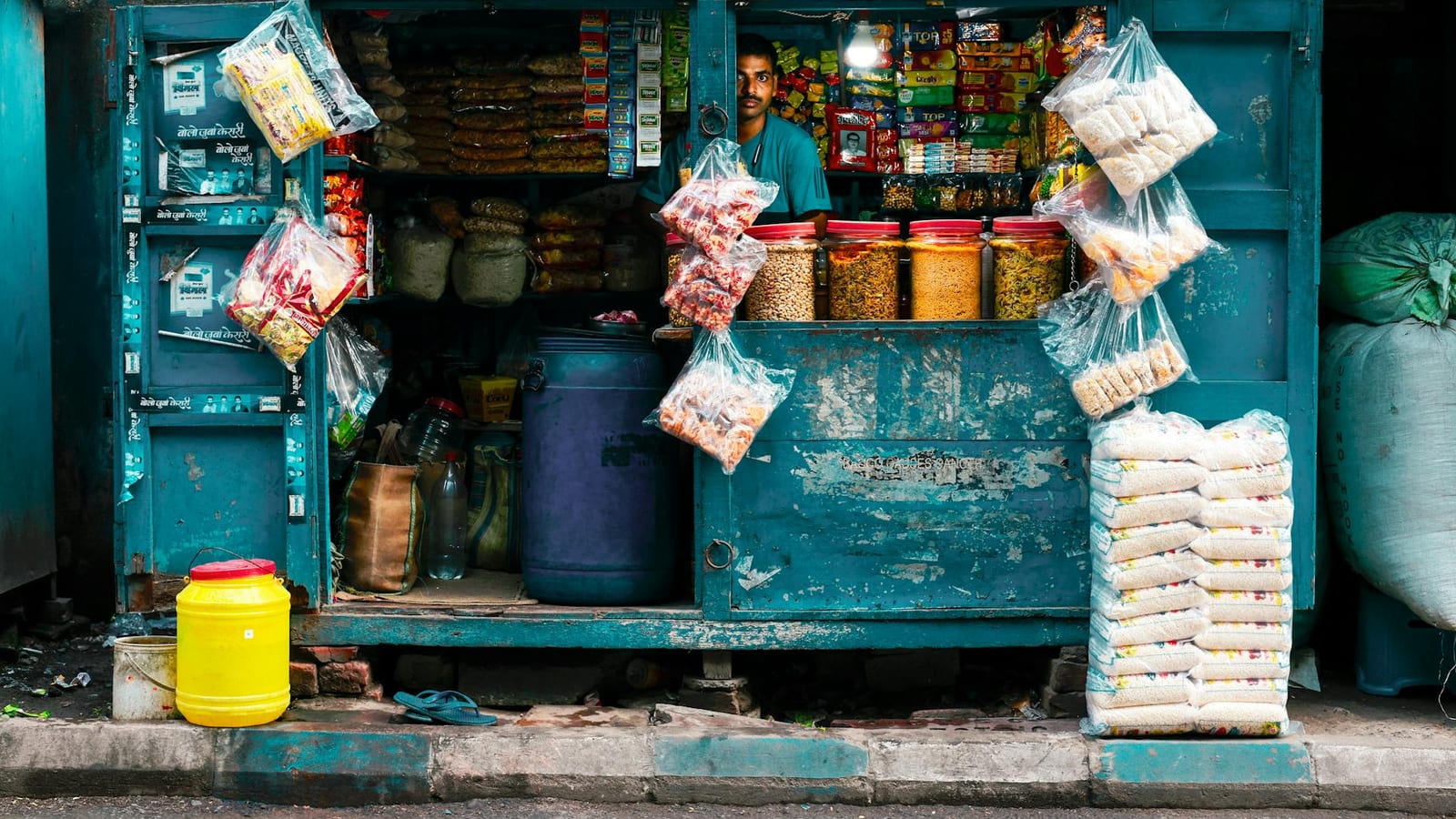
A factory owner in Tiruppur, a tea trader in Guwahati, and a shopkeeper in Kolkata woke up to the same question this week: what will the new political map do to business?
Five state elections have redrawn power in a way India has not seen for years. West Bengal has its first BJP government. Assam has given the BJP another term. Tamil Nadu has handed power to actor-politician C. Joseph Vijay. Kerala has brought the Congress-led UDF back after 10 years. Puducherry has stayed with the NDA.
For voters, this is politics. For businesses, it is also about bills, permits, welfare schemes, local peace, and policy signals.
West Bengal is the biggest shock. The BJP won around 206 to 207 seats in the 294-member Assembly, while the Trinamool Congress fell to around 80 to 81 seats. One seat, Falta, will vote again on May 21 after the Election Commission cancelled polling there over serious complaints.
That result ends 15 years of Mamata Banerjee’s rule. Suvendu Adhikari, once part of her political machine, has taken charge as Chief Minister.
For Bengal’s small traders and industry groups, the first question is order. The state has long carried a reputation for political street power. That affects everything from transport unions to local contracts.
A business does not need grand speeches first. It needs goods to move, workers to reach factories, and local officers to answer calls.
The BJP will now try to show that Bengal can attract investment beyond old slogans. The state has ports, a large consumer market, and a skilled workforce. But it also has a history of missed industrial chances.
Adhikari’s government will be judged quickly on law and order, land, and jobs. Those three decide whether investors only attend summits, or actually write cheques.
Tamil Nadu tells a different story. Vijay’s Tamilaga Vettri Kazhagam emerged as the single largest force, with tallies placing it around 107 to 108 seats. Vijay took oath as Chief Minister after securing support from other parties.
His first order was politically sharp. He approved 200 units of free electricity for households.
That will land well with families. Power bills matter to every middle-class home, and even more to poorer households. But the finance department will now face the harder part.
Free power always has a cost. If the state pays the electricity company late, the pressure moves down the chain. Suppliers, maintenance firms, and power producers then wait for money.
Tamil Nadu has managed welfare and industry better than many states. Its strength lies in factories, ports, auto plants, electronics, textiles, and services. Vijay must now prove he can run that machine.
Cinema charisma wins attention. Governance needs files, deadlines, and quiet follow-up.
His rise also breaks the old DMK-AIADMK rhythm. For nearly five decades, Tamil Nadu politics moved between two Dravidian poles. TVK has now forced everyone to rewrite their calculations.
Young voters may enjoy that disruption. Business owners may be more cautious. They will watch his cabinet, his bureaucratic picks, and his first budget.
Assam has chosen continuity. Himanta Biswa Sarma will become Chief Minister for a second straight term, with the BJP-led alliance crossing the line clearly. The BJP’s camp has held Assam for a third term.
For business, continuity can help. Assam sits at the centre of the North East’s trade hopes. Roads, logistics, tea, oil, tourism, and border trade all need stable policy.
Sarma’s next term will face two tests. One is jobs for young people. The other is whether growth reaches beyond Guwahati.
A state cannot live only on capital-city confidence. Small manufacturers, tea workers, transporters, and local service firms need steady demand.
Kerala has given the Congress-led UDF a comeback after 10 years. That also means the Left is out of power in its last major state government.
Kerala’s economy runs on a special mix. Remittances from Gulf workers, tourism, education, health care, and small enterprise keep it moving. Its public finances, though, remain tight.
The new government will have to balance welfare with debt pressure. Malayali families expect strong public services. They also want private jobs that do not force migration.
That is the old Kerala puzzle. The state produces skilled people, then watches many leave.
Puducherry stayed with the NDA, which won enough seats to keep power. The Union Territory is small, but its politics matter for tourism, retail, and services.
For hotels, restaurants, and small traders, local stability matters more than national noise. A licence delay or tax dispute can hurt faster than any big policy debate.
Across these results, one theme stands out. Voters have punished comfort. They have rewarded either delivery, disruption, or a promise of order.
That is why business should not read these elections only as party arithmetic. They are also a warning to state governments.
People want subsidies, but they also want jobs. They want identity, but they also want roads. They cheer leaders, but they still count household bills at month-end.
The Election Commission’s decision in Falta adds another reminder. Clean elections are not a side issue. If voters doubt the process, every mandate becomes weaker.
For markets, this election round offers no single national message. It gives five local messages instead.
Bengal wants change after a long regime. Assam prefers the known hand. Tamil Nadu has chosen a star outsider. Kerala has returned to an old alternative. Puducherry has kept its ruling side.
The real test starts now. Chief Ministers can win with slogans, anger, caste arithmetic, or personal charm. They govern through budgets.
That is where the story becomes serious for ordinary readers.
If power subsidies rise, someone must fund them. If law and order improves, small shops gain confidence. If investment comes, young people may stay closer to home. If promises fail, voters will feel it in bills, wages, and daily friction.
This election has changed the map. The next one will ask a simpler question: did life become easier?