IT Firms Revisit Work From Home as Tech City Commutes Worsen
Modi's work-from-home advice has revived debate in Pune, Bengaluru, Hyderabad and Gurugram as traffic hurts productivity and employee well-being.
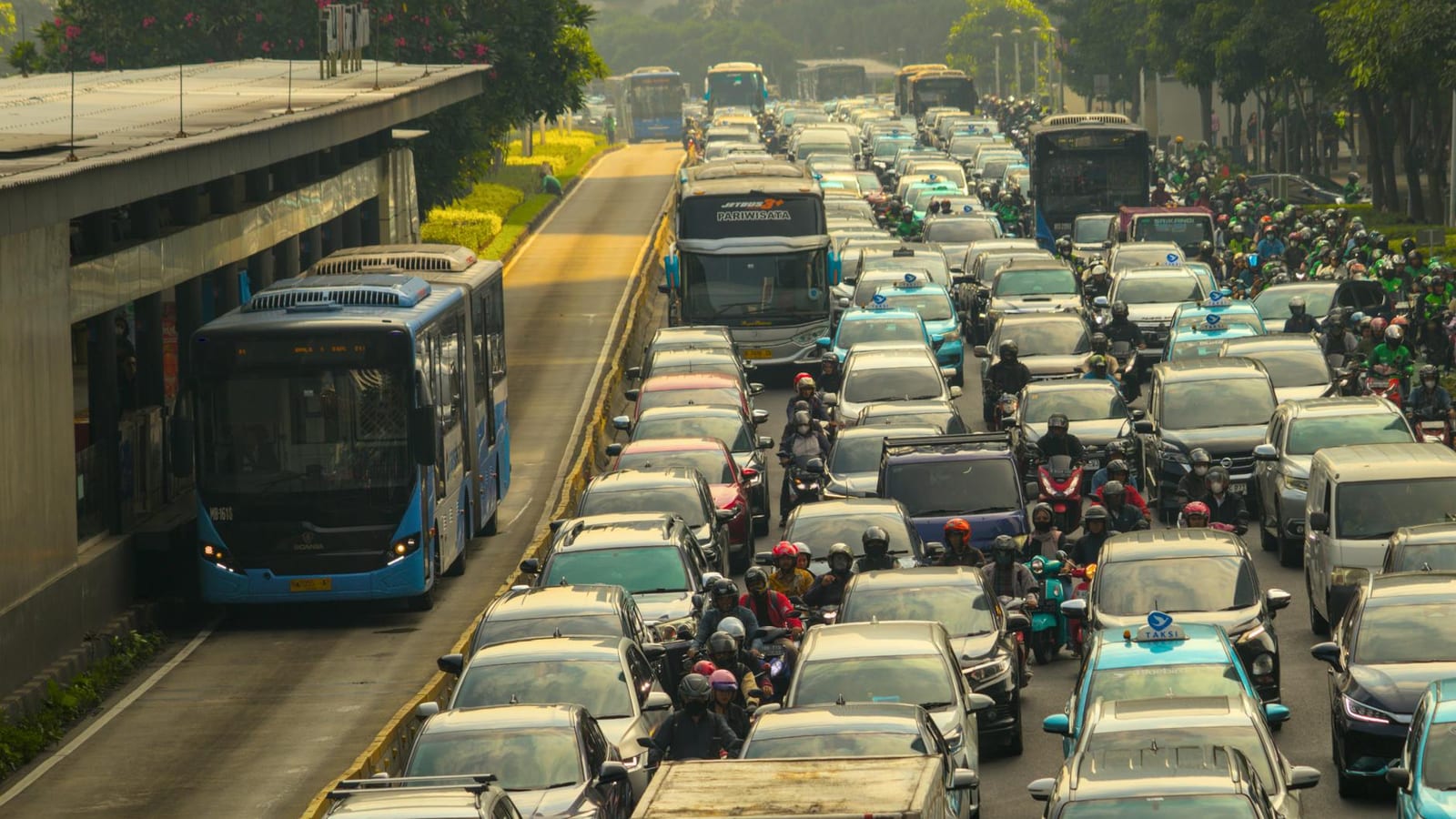
For thousands of tech workers, the workday starts before the laptop opens. It starts in traffic.
In Pune, Bengaluru, Hyderabad and Gurugram, office travel has become a daily tax. Not paid in money alone, but in time, stress and family hours.
Now, after Prime Minister Narendra Modi advised IT companies to consider work from home, the old debate is back. Should India’s tech hubs return to flexible work, at least where jobs allow it?
Traffic is now a business cost
For years, companies treated traffic as an employee problem. Leave early, plan better, shift closer to office. That was the usual advice.
But in large IT cities, congestion has crossed that line. It now affects productivity, hiring, office costs and employee health.
A software engineer stuck for two hours on the road does not reach work fresh. A parent rushing from office to school pickup carries that stress home. A manager waiting for half the team to arrive loses the first hour anyway.
This is why the work from home question matters. It is not just about comfort. It is about whether companies use people’s time wisely.
During the pandemic, India’s IT sector proved one point clearly. A large share of coding, testing, design, support and back-office work can happen outside office buildings.
That does not mean every role can stay remote. Data security, team training, client demands and hardware work still need offices. But the all-days-in-office model now looks harder to defend.
IT firms face a real choice
Prime Minister Modi’s suggestion puts pressure on IT companies without issuing a formal rule. That matters.
The government can advise, but companies must decide. For large firms, the question is no longer whether work from home works. The question is how much control they want to keep.
Many companies called employees back after the pandemic. Some wanted better teamwork. Some worried about moonlighting. Some had long leases on large campuses. Some simply preferred the old style of supervision.
But workers have changed too. Young professionals now calculate a job offer differently. Salary matters, yes. But so does commute time, hybrid flexibility and the cost of living near office districts.
A ₹10 lakh salary in a high-rent area does not feel the same after fuel, rent and daily travel. That is why remote and hybrid work have become hiring tools.
For mid-sized IT companies, this could become an advantage. They may not match the salaries of bigger firms. But flexible work can help them attract talent from smaller cities.
That shift could also help tier-2 India. A developer in Nagpur, Kochi, Indore or Coimbatore need not move every time a better job appears.
Cities cannot build endlessly
There is another side to this story. India’s biggest tech cities are running faster than their roads.
Pune’s IT corridors, Bengaluru’s ring roads, Hyderabad’s business districts and Gurugram’s corporate belts all face the same pressure. Offices came up quickly. Housing followed unevenly. Public transport often struggled to catch up.
Every new office tower adds not just employees, but cabs, bikes, buses, delivery vehicles and security staff. A city can widen roads only so much.
Work from home can act like a pressure valve. Even if companies allow remote work two days a week, traffic can reduce meaningfully on peak days.
This helps more than IT employees. It helps school buses, small traders, hospital visitors and delivery workers. A kirana store owner near a busy office road may want customers, but not gridlock outside the shop all day.
There is also a cost for businesses that serve offices. Cafes, food courts, transport vendors and housekeeping firms depend on footfall. A sudden full remote shift can hurt them.
That is why the better answer may sit between extremes. Hybrid work keeps offices alive, but cuts unnecessary travel.
The office still has a role
The office is not dead, and it should not be treated as useless. Fresh graduates learn faster around seniors. New teams bond better in person. Sensitive client work may need controlled spaces.
But companies must be honest about what needs physical presence. A weekly review call does not become better because everyone sat in traffic first.
The smarter firms will separate work by need. Training days can happen in office. Team planning can happen in office. Routine individual tasks can happen from home.
This also demands better management. A weak manager often wants attendance because it is easy to measure. A better manager measures output, clarity and deadlines.
India’s IT industry has sold efficiency to the world for decades. It now needs to apply that thinking to its own work culture.
There is a trust issue here too. Companies fear misuse. Employees fear forced attendance for no clear reason. Both sides have some history behind their suspicion.
The answer lies in clear rules. Which roles can work from home? How many days? What security tools apply? How will performance be judged? Companies must spell this out.
Workers will watch actions
For employees, the Prime Minister’s advice will raise expectations. But advice alone does not change office policy.
Workers will watch what HR teams do next. Will companies revise hybrid rules? Will they stagger office timings? Will they reduce mandatory attendance? Or will this remain a talking point?
The business case is stronger than many boardrooms admit. Less commuting can mean less burnout. Lower burnout can mean fewer resignations. Fewer resignations save hiring and training costs.
There is also a public interest angle. Less traffic means less fuel use and cleaner air. Families get more time together. Cities breathe a little easier.
Still, work from home must not become a way to stretch working hours. Many employees learned that lesson during the pandemic. When home becomes office, the workday can quietly expand.
Companies must protect boundaries. Flexibility should not mean always available.
The next move belongs to India’s IT employers. They can treat Modi’s advice as a polite headline and move on. Or they can use it to redesign work in a way that suits cities, workers and business.
For ordinary employees, the issue is simple. They are not asking to avoid work. They are asking why work must begin with a traffic jam.