False transport and fuel claims spread across India
Recent fact checks debunked viral claims on free KSRTC rides, petrol pump closures and AI-made political images, highlighting rumour risks.
A fake message about free bus rides can travel faster than the bus itself.
That is the problem India now faces every week. A rumour starts as a social post, picks up political colour, and soon ordinary people must decide whether a service is open, a flight is cancelled, or fuel will run out.
Recent fact checks flagged a familiar mix of claims. Some involved transport and fuel. Some targeted political leaders. Some used artificial intelligence to make fake images look believable.
Free rides and fuel rumours
One claim said KSRTC was launching pink buses with free travel for women. The fact check marked it false.
For commuters, such rumours are not harmless fun. A student, daily wage worker, or office-goer may plan the week around a fake promise. Public transport runs on trust as much as diesel.
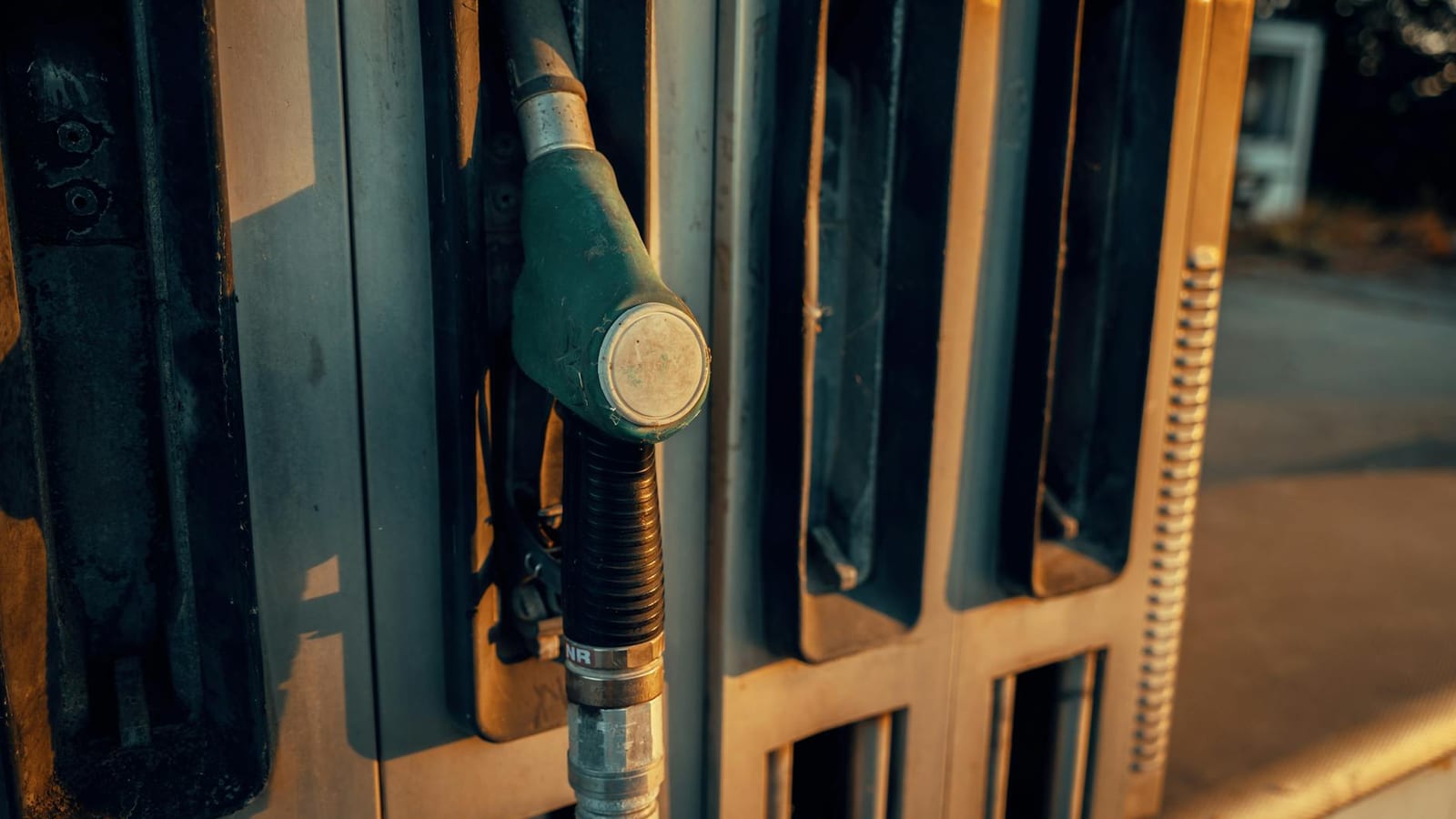
Another claim said petrol pumps would remain closed on Sundays. That too was found false.
This kind of message hits small businesses quickly. A kirana store owner may rush to fill delivery bikes. A cab driver may waste money topping up early. Panic buying often hurts the very people with the least spare cash.
A separate claim said a Union minister had warned India had oil left for only two days. That was also flagged as false.
Fuel rumours carry a special charge in India. Petrol and diesel affect food prices, transport bills, and household budgets. Even a false scare can push people into needless queues.
Air India claim shows the risk
One viral post claimed Air India had cancelled all international flights. The fact check found that claim false.
For passengers, this is not just online noise. Families book tickets months ahead. Students travel for admissions. Workers in the Gulf plan leave around exact dates.
A fake cancellation message can create real costs. People may call agents, delay plans, or pay extra to change tickets. Airlines then face pressure from customers reacting to something the airline never announced.
That is the new business risk for large service companies. A rumour can become a customer service crisis before the company has even responded.
It also shows why firms need clear public communication. A short official denial, posted fast, can save hours of confusion. Silence leaves space for screenshots and forwards to do the talking.
Politics fuels the fake cycle
Several false claims in the batch had a political edge.
One said Vijay touched Rahul Gandhi’s feet after taking oath. Another claimed Vijay had made an Islamic believer minister for Hindu religious affairs. Both were marked false.
Another false claim suggested Vijay’s son Jason appeared with actor Trisha in an AI-made image. That points to a sharper problem. Fake images no longer need skilled editing. Anyone can now create a believable picture in minutes.
Politics gives these claims their oxygen. Supporters share them to celebrate. Opponents share them to mock. Many people forward first and think later.
The list also included claims around the BJP, the UDF, Mamata Banerjee, Mahua Moitra, Rajnath Singh, Amit Shah, and others. Fact checks marked several such posts as false.
The pattern is clear. Election seasons now create a market for instant outrage. A video from one place gets labelled as another. An old clip returns with a new caption. A fake quote travels as if it came from a press conference.
The business of confusion
Misinformation is not only a political problem. It has a business model behind it.
False claims bring clicks, shares, and attention. Attention brings influence. Sometimes it brings ad money. At other times, it helps political messaging without anyone paying openly for an ad.
This is why fact checks now cover petrol pumps, flights, gold, buses, and public schemes. These subjects touch daily money decisions.
One claim said gold faced fresh restrictions, drawing a comparison with Indira Gandhi’s earlier stance. It was flagged for scrutiny. Gold is emotional in Indian homes. It is also a financial cushion for many families.
So a rumour around gold does not remain abstract. It can worry parents planning weddings. It can unsettle small jewellers. It can make families wonder whether to buy, sell, or wait.
The same logic applies to public services. If people believe buses are free, pumps are shut, or flights are cancelled, the market feels the shock in small ways first.
Why readers must slow down
The hard part is that many fake claims sound possible.
Governments do announce welfare schemes. Airlines do cancel flights. Political leaders do say foolish things. That is why a fake post works. It borrows from real public memory.
A useful rule is simple. If a claim affects your money, travel, vote, or safety, pause before sharing it.
Check whether the organisation itself has said it. Look for an official handle, website, or public notice. If the message only comes through a forward, treat it like gossip at a tea stall.
This does not mean citizens must become full-time investigators. It means we need better habits. A few seconds of doubt can stop a false claim from becoming a neighbourhood panic.
For businesses and public bodies, the lesson is also clear. They cannot assume truth will win by itself. In today’s India, a fake post can move faster than a press release. The organisations that respond early, clearly, and in plain language will protect both their reputation and the people who depend on them.