False Airline Alerts Expose Misinformation Cost for Brands
Fake travel and business claims can trigger cancellations, customer panic and brand distrust, forcing companies to spend more on communication.
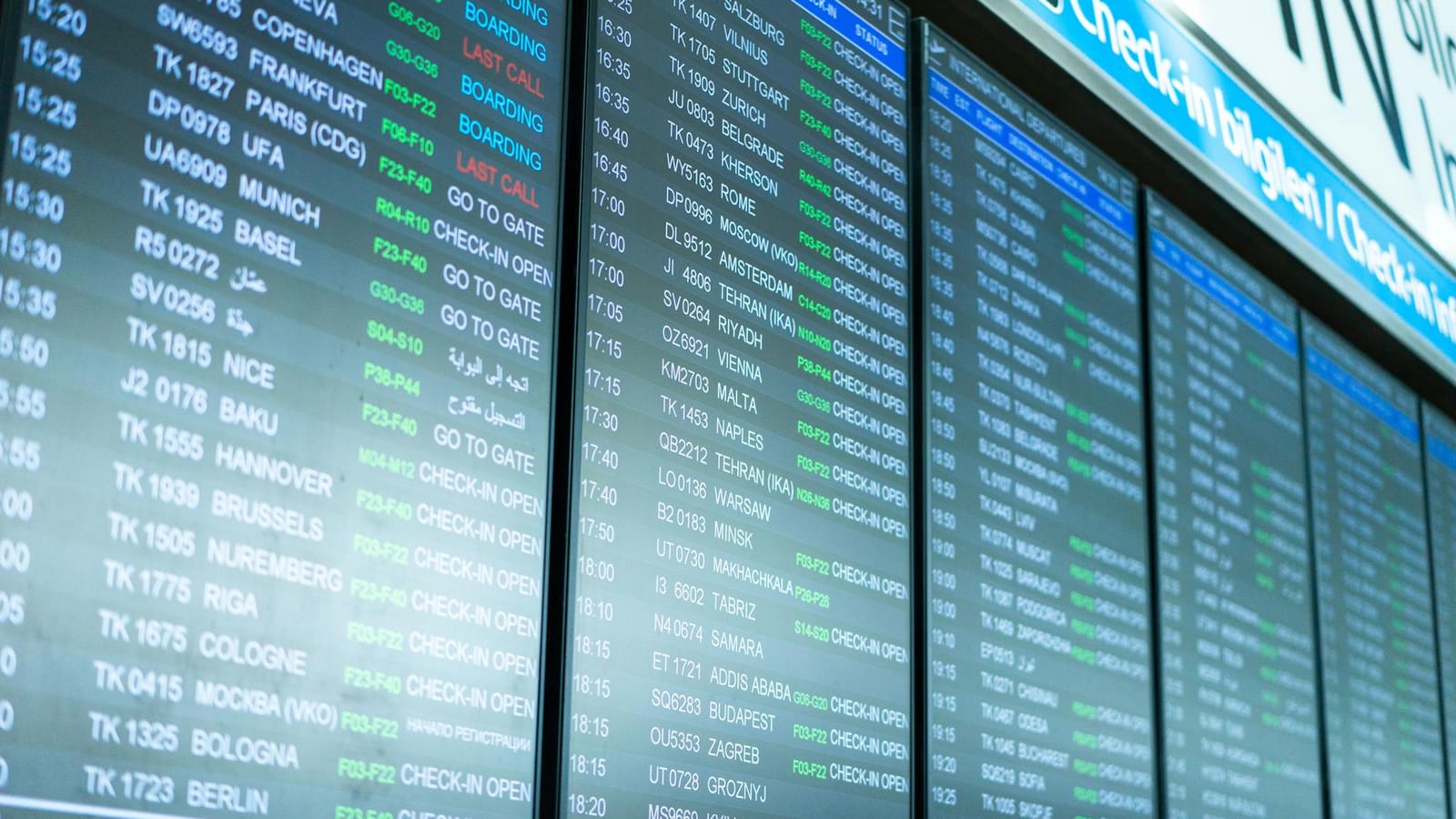
A fake airline alert can empty a family’s travel plan faster than any real cancellation notice.
That is the quiet business cost of misinformation. It does not always crash markets or topple governments. Often, it makes people panic, delay payments, cancel tickets, hoard goods, or distrust a brand.
A fresh set of fact-checks shows how wide this problem has become. Politics, aviation, gold, telecom, food safety, and elections all appear in the same messy stream.
Fake alerts hit real wallets
One viral claim said Air India had cancelled all international flights. Fact-checkers flagged it as false.
For a traveller, this kind of message is not harmless gossip. A student flying abroad may rush to call an agent. A family may try to rebook. A small travel agency may spend hours calming customers.
Airlines run on trust as much as fuel. One false post can trigger calls, refund fears, and angry customers. The company then pays in staff time, brand damage, and customer confusion.
The same pattern hits hotels, forex dealers, taxi operators, and airport businesses. One fake travel claim travels through the entire chain.
That is why corporate communication now needs speed. A denial after two days is often too late. By then, WhatsApp groups have already done the damage.
Politics now sells panic
Several flagged claims came from politics. One said Amit Shah had announced prohibition from September 30. Another claimed KC Venugopal had made remarks against the Muslim League.
There were also false claims linked to elections, including free mobile recharge offers after a UDF win. That one matters beyond politics.
Free recharge messages are classic bait. They attract clicks from people who want a quick benefit. Many such claims can push users towards shady links, data theft, or payment fraud.
For ordinary voters, the harm is simple. They waste time, share personal details, or trust fake offers. For telecom firms, the damage comes through customer complaints and confusion.
Election-linked misinformation also hurts local businesses. Traders depend on calm streets, steady footfall, and predictable rules. Rumours about bans, violence, or sudden policy shifts can slow buying decisions.
A shopkeeper does not need a formal notification to feel nervous. A viral message is often enough.
Gold rumours touch old anxieties
One fact-check looked at a claim around gold controls and Indira Gandhi. The subject still cuts deep in Indian households.
Gold is not just an asset in India. It is wedding money, emergency money, family status, and emotional security. Any rumour about restrictions can spread fast.
When people hear talk of curbs, they may rush to jewellers. Others may delay purchases, fearing new rules. Both reactions hurt normal market behaviour.
Jewellers, especially smaller ones, suffer most during such confusion. Big chains can issue clarifications and run campaigns. Local jewellers mostly depend on trust built over years.
The larger lesson is clear. Financial misinformation works because it touches fear. People worry the government may change rules overnight. That fear becomes the fuel.
This is why clear public communication matters in business stories. A silence from authorities often leaves room for rumours. In that gap, fake posts look more believable.
Food, AI and the trust problem
The fact-check list also included claims about adulterated watermelon. Food rumours have their own commercial bite.
A video claiming contamination can damage farmers, vendors, wholesalers, and street sellers. Even if the claim is false, customers may avoid the product for days.
For a fruit seller, a few slow days can mean real loss. Watermelon cannot sit forever. Perishable goods punish rumours quickly.
Another flagged item involved an AI-generated image linked to a boat accident. This shows how the misinformation business is changing.
Earlier, fake news often needed an old photo or edited caption. Now, artificial intelligence can create emotional images from scratch. That makes verification harder for normal readers.
The emotional pull is the problem. A crying child, a damaged aircraft, or an angry crowd can push people to share first. They check later, if at all.
Businesses face this risk too. A fake factory fire, fake product defect, or fake executive quote can spread before markets open.
Brands cannot ignore WhatsApp India
India’s misinformation problem does not live only on public platforms. It moves through family groups, office chats, community groups, and local networks.
That makes it harder to fight. A company can respond on X or Facebook. But the original panic may be inside private chats.
For business leaders, this changes the job. Crisis response is no longer only about press releases. It needs simple language, regional translations, and fast correction.
Aviation companies need clear travel alerts. Consumer brands need product safety clarifications. Financial firms need fraud warnings in plain words.
The best response is not corporate jargon. It is a short message that says what happened, what did not happen, and what customers should do.
People do not want a lecture during panic. They want certainty.
This is also a consumer-protection issue. Fake recharge offers, fake bans, and fake safety scares push ordinary people into bad decisions. The cost may be small for each person, but massive across millions.
The deeper worry is trust. Once people start doubting every notice, every warning becomes weaker. Real alerts then struggle to get attention.
That is dangerous for companies, governments, and citizens alike.
The next phase of misinformation will be faster, more visual, and more local. Ordinary readers will need sharper habits. Companies will need quicker facts. And India’s public conversation will need one old-fashioned skill again: pause before forwarding.