Fake recharge offers expose consumer risk in poll season
Viral election rumours and fake welfare links show how misinformation now targets voters as consumers, raising fraud risks across Indian social media.
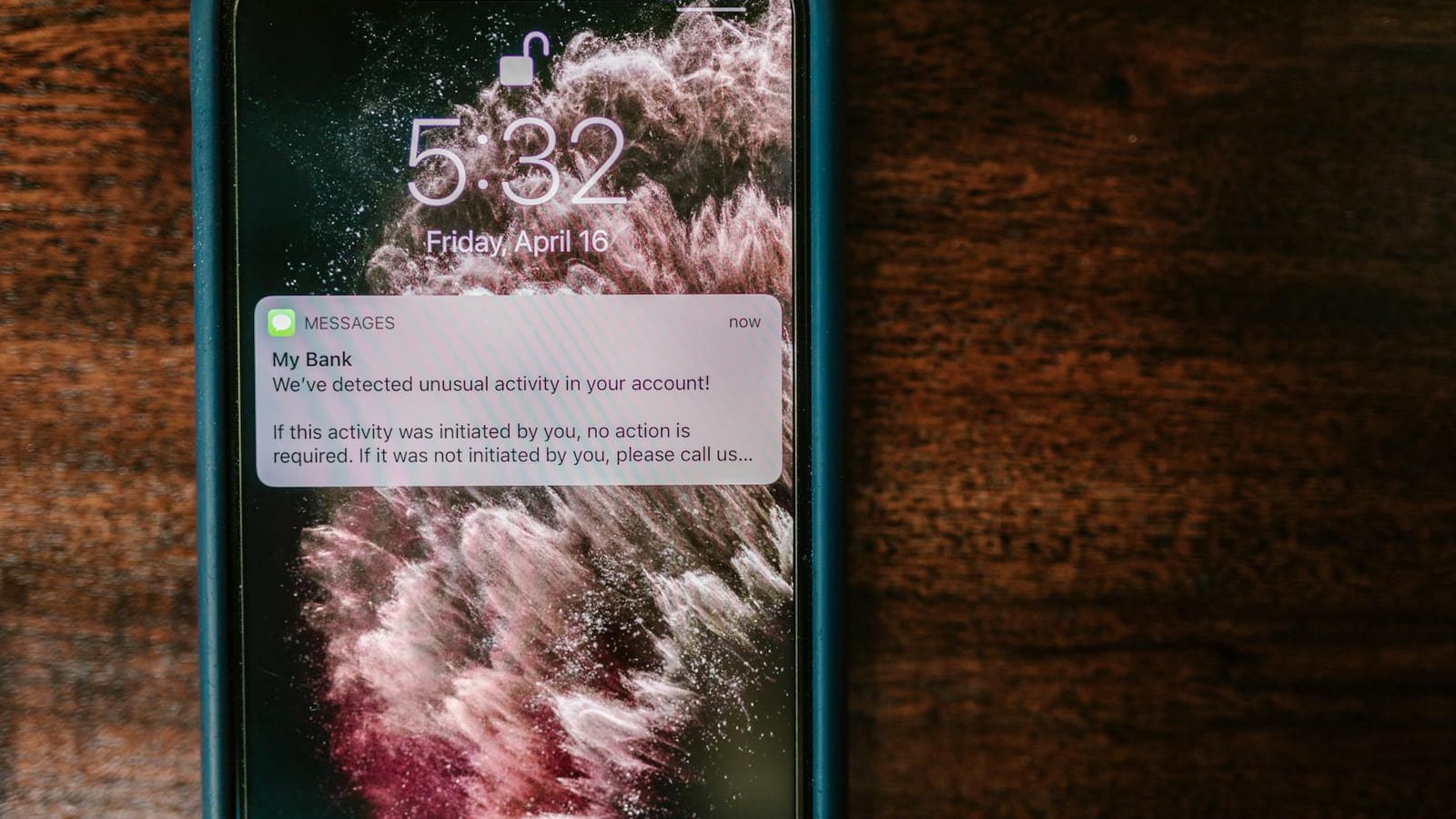
A fake free mobile recharge offer can travel faster than a bank alert in election season.
That is the uncomfortable lesson from a fresh sweep of fact checks across Indian social media. The claims range from politics to defence, from AI images to fake welfare offers. Together, they show a simple truth. Misinformation is no longer just a political headache. It is also a consumer risk.
For ordinary users, the danger often begins with trust. A forwarded post carries a familiar party name, a leader’s face, or a dramatic video. People click, share, or believe before asking the boring but vital question: who benefits from this?
Election rumours target voter trust
Several false claims in the latest batch revolve around elections and party rivalries. One viral post claimed Mahua Moitra fainted after seeing West Bengal election results. Another claimed UDF was offering three months of free mobile recharge after an election win.
The recharge claim matters beyond politics. It uses a classic fraud pattern. Attach a public emotion to a private action. In this case, celebration becomes a hook. A voter sees the party name, taps a link, and may land on a page built to collect phone numbers or personal data.
That is how small scams scale. A free recharge sounds harmless. But for many families, especially prepaid users, even ₹100 matters. Fraudsters understand this. They dress a data trap as a benefit and count on speed.
Other posts tried to rewrite political positions. One claimed K.V. Thomas said he was ready to become chief minister if his party asked. Another claimed Rahul Gandhi said nobody could defeat the BJP in West Bengal.
These claims do not need to be perfect to cause damage. They only need to confuse voters for a few hours. In a tight political fight, that can be enough.
Defence claims carry bigger risks
Some false posts went beyond party gossip. One claimed a central foreign affairs spokesperson said India lost four Rafale aircraft during Operation Sindoor. Another claimed an Indian Air Force plane crashed in Kishtwar.
Claims like these are not casual rumours. They touch national security, markets, and public confidence. A false claim about aircraft losses can unsettle families of service personnel. It can also feed hostile propaganda outside India.
The Indian Air Force remains one of the most watched institutions during moments of tension. That makes it a prime target for edited videos, old crash clips, and fake statements.
Another post claimed General Anil Chauhan mocked Donald Trump. A different one linked a protest video to a body of a person killed by the Indian Army. Such claims mix authority, anger, and emotion. That combination gives fake content unusual force.
This is where citizens need a slower reflex. If a post claims a military loss, a diplomatic statement, or an official admission, it must come from a named institution. Screenshots and anonymous handles are not evidence.
AI images are muddying facts
The most worrying item in the list may be the Madhya Pradesh boat accident claim. A widely shared image of a mother and child was identified as AI-generated.
That should worry every newsroom, police department, and ordinary WhatsApp user. AI images now carry enough emotional detail to look real at first glance. A grieving mother, a crying child, or a disaster scene can move people instantly.
But emotion is exactly why such images spread. People rarely pause when the post feels tragic. They share because they feel they are helping. In reality, they may be spreading a false record of a real tragedy.
This creates two harms at once. First, it misleads the public. Second, it disrespects actual victims by replacing their experience with synthetic drama.
AI content also creates a new burden for local officials. During floods, crashes, riots, or accidents, they must now fight both the event and the fake visuals around it. That costs time when every hour matters.
For users, the test is simple. If an image looks too cinematic, too perfectly sad, or lacks a clear source, pause. Real grief rarely arrives with perfect lighting and viral captions.
Old videos get new costumes
Many false claims in the fact-check list follow another old trick. Take a video from one place, attach it to another story, and let outrage do the rest.
One post claimed BJP workers assaulted a Trinamool worker after falsely accusing her of causing injuries. Another claimed League workers entered a temple courtyard during victory celebrations in Perambra. Yet another claimed police officers were celebrating a BJP win.
Videos are powerful because they feel like proof. But a video only proves what it actually shows. Without date, location, and context, it can become a costume for any story.
This tactic appears often during elections. A crowd from one state becomes a rally in another. A celebration becomes a communal provocation. A police clip becomes evidence of bias.
The business angle is clear too. Platforms reward attention. Content creators, political pages, and spam networks know outrage travels well. A misleading video can bring followers, ad revenue, and influence.
Ordinary users pay the price. A shopkeeper in a mixed neighbourhood may hear a rumour and shut early. A family may avoid a route after seeing a fake clash video. Small choices change because bad information feels urgent.
Fake welfare bait keeps returning
The list also includes familiar claims about public benefits. One post claimed the central government was giving free laptops to students. Another pushed a story about a girl in Kerala dying by suicide due to hunger.
Such claims strike at real anxieties. Parents worry about education costs. Students need devices. Families worry about food prices. Fraudsters and political actors use those pressures because they know they work.
A free laptop post can draw students into data collection. A hunger tragedy claim can inflame anger before officials verify facts. Both may ride on real public concerns, which makes them harder to dismiss.
There were also claims about prohibition from September 30 linked to Amit Shah, and cash allegedly found from a warehouse tied to Udhayanidhi Stalin’s friend. These are high-impact claims. They affect reputations, political narratives, and sometimes even local business sentiment.
Liquor prohibition rumours can disturb traders, distributors, workers, and state tax expectations. Cash seizure rumours can influence how voters see corruption. That is why fake posts often borrow famous names. Recognition gives them a shortcut to credibility.
The pattern is now clear. Misinformation no longer arrives as one big lie. It comes as many small claims, each designed for a different audience. One for voters. One for students. One for defence watchers. One for party workers. One for angry neighbours.
For readers, the best defence is not cynicism. It is a small habit. Check the source before sharing. Look for official confirmation. Be extra careful with free offers, dramatic videos, and claims tied to famous names. In the coming election cycles, that habit may matter as much as any campaign speech.